Volatility why sudden changes occur in emerging economies
This guide explores the complexities of recent economic shifts, provides a framework for analyzing market volatility, and outlines how to interpret emerging policy changes. Sudden volatility in emerging economies is typically driven by a combination of capital flight, currency fluctuations, and sudden changes in investor sentiment.
"The true cost of progress is often hidden in the fine print of systemic change."
Understanding the shifting landscape of global trade and domestic policy requires looking past the headlines to the structural shifts occurring in real time.
* Deciphering the relationship between policy shifts and market stability. * Identifying key indicators of economic transition. * Evaluating the long-term implications of industrial restructuring. * Practical steps for navigating fluctuating trade environments.
How do shifting trade policies affect local markets?
In the morning I hold volatility and walk through the next step.

A heavy wooden desk sits in a quiet office, covered in printed reports and a half-empty cup of coffee. The morning sun hits the paper, highlighting red ink that marks recent changes in tariff structures.
According to the Central Statistical Organisation, the data provided in the Compendium of Environment Statistics India 2011 reflects historical shifts in domestic reporting.
Shifting trade policies disrupt established supply chains, forcing businesses to find new partners and adjust their pricing models almost overnight.
These changes often lead to immediate price fluctuations in consumer goods and raw materials, creating a period of uncertainty for both producers and buyers.
When a government adjusts import duties, the immediate effect is often felt in the cost of specialized components. A manufacturer relying on specific foreign parts may find their profit margins shrinking as they struggle to absorb the new costs.
This ripple effect moves through the economy, influencing everything from retail prices to employment stability in manufacturing hubs.
To analyze these shifts, one must look at the specific sectors being targeted. A policy change aimed at protecting domestic steel production will have a different impact than one focused on digital services.
Understanding the intent behind the policy helps in predicting whether the change is a temporary adjustment or a long-term structural pivot.
Why does sudden volatility occur in emerging economies?
In the evening I hold volatility and walk through the next step.
The hum of a crowded stock exchange floor echoes through a speaker, competing with the rhythmic tapping of fingers on laptop keyboards. A trader glances at a flickering screen, watching a jagged red line dip sharply toward the bottom of the graph.
As noted by New Society, the discussion in Technofix regarding the complete recycling of non-renewable materials highlights the complexities of resource management.
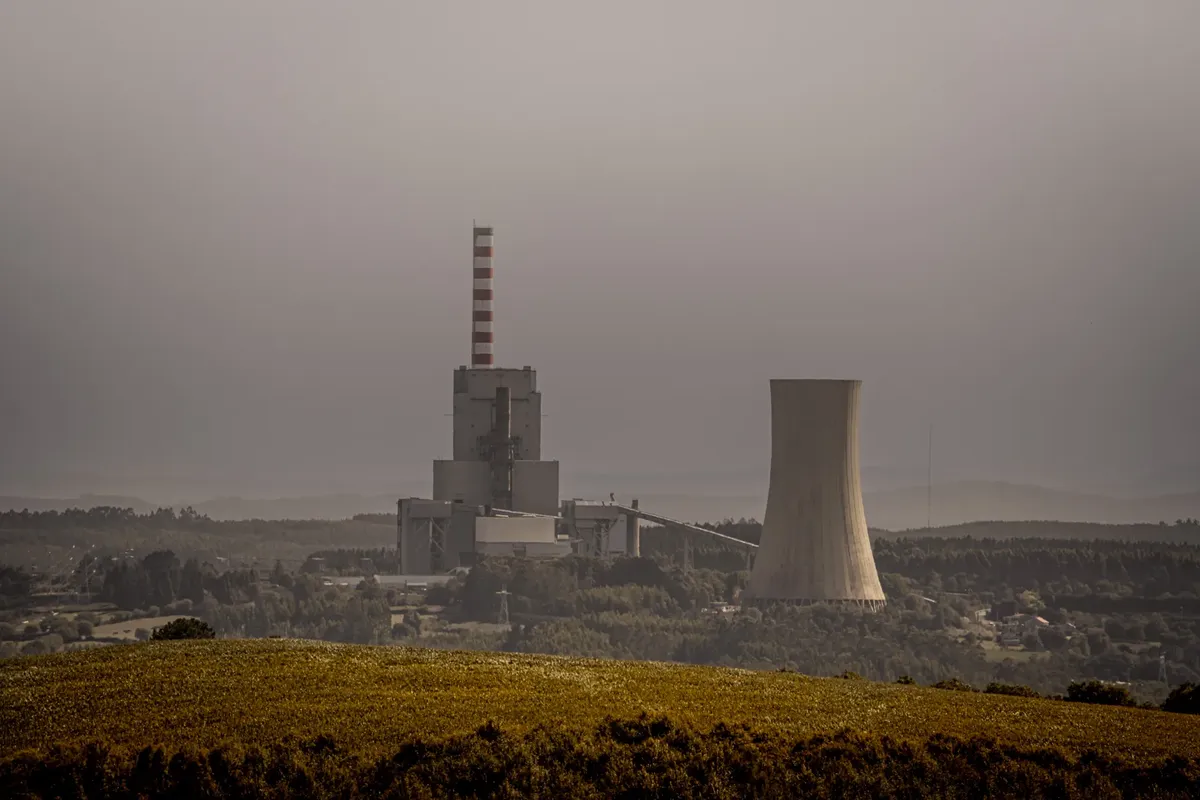
When global interest rates rise, investors often pull capital out of emerging markets to seek safer returns in more established economies, causing local currencies to weaken and markets to dip.
This movement of capital is rarely smooth. It often happens in waves, where a single political announcement or a change in central bank policy triggers a mass sell-off.
The lack of deep liquidity in some markets can exacerbate these swings, as smaller trades can cause disproportionately large movements in asset prices.
Analyzing the drivers of volatility requires looking at both internal and external factors. Internally, fiscal deficits and inflation rates are critical; externally, the monetary policy of major global central banks plays a decisive role.
Balancing these variables is the primary challenge for economists attempting to stabilize these growing markets.
Can industrial automation replace human labor?
A robotic arm moves with surgical precision, its metallic joints whirring softly in a sterile, brightly lit factory hall. A worker stands nearby, holding a tablet and monitoring the seamless flow of the assembly line.
According to World Bank data, India recorded a renewable energy share of final consumption of 34.9% in 2021.
The question of whether automation will replace human labor is not about a total takeover, but about a fundamental shift in the nature of work.
While machines can perform repetitive tasks with higher speed and accuracy, they lack the cognitive flexibility and emotional intelligence required for complex problem-solving and interpersonal management.
The transition period is often characterized by job displacement in low-skill sectors. However, history suggests that technological revolutions also create new roles that were previously unimaginable.
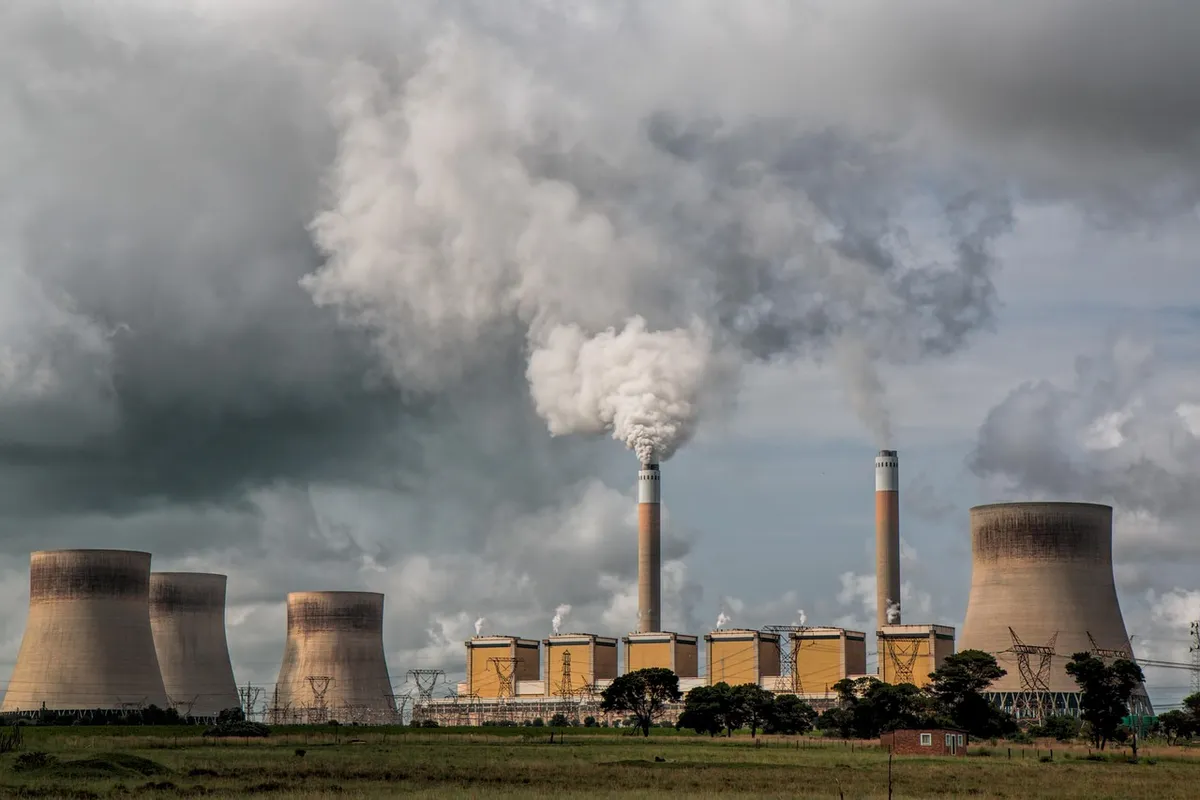
The challenge lies in the "skills gap"—the disconnect between the abilities of the existing workforce and the requirements of the new, tech-driven economy.
To prepare for this shift, the focus must move toward lifelong learning and specialized training. The goal is to transition the workforce from manual tasks to roles involving oversight, maintenance, and integration of automated systems.
This evolution requires a proactive approach to education and vocational training.
What are the risks of rapid technological integration?
A server room glows with a steady, blue light, the rhythmic pulse of cooling fans providing a constant background hum. A technician walks through the aisle, checking the connections on a rack of high-density processors.
Rapid technological integration carries risks such as cybersecurity vulnerabilities, systemic fragility, and the widening of the digital divide.
As critical infrastructure becomes increasingly reliant on interconnected software, a single breach or a systemic glitch can have far-reaching consequences across an entire nation's economy.
Furthermore, those without access to the latest technology may find themselves economically marginalized.
Managing these risks involves building "resilience by design." This means developing systems that can fail gracefully without collapsing the entire network and creating regulations that are agile enough to evolve alongside the technology.
Security must be treated as a foundational element, not an afterthought.
How can businesses prepare for long-term economic cycles?
A large window overlooks a sprawling metropolitan skyline at dusk, where the lights of skyscrapers begin to twinkle against the darkening sky. A strategist sits in a leather chair, sketching out a multi-year roadmap on a large notepad.
Preparing for long-term cycles requires building financial flexibility and diversifying revenue streams to withstand periods of contraction.
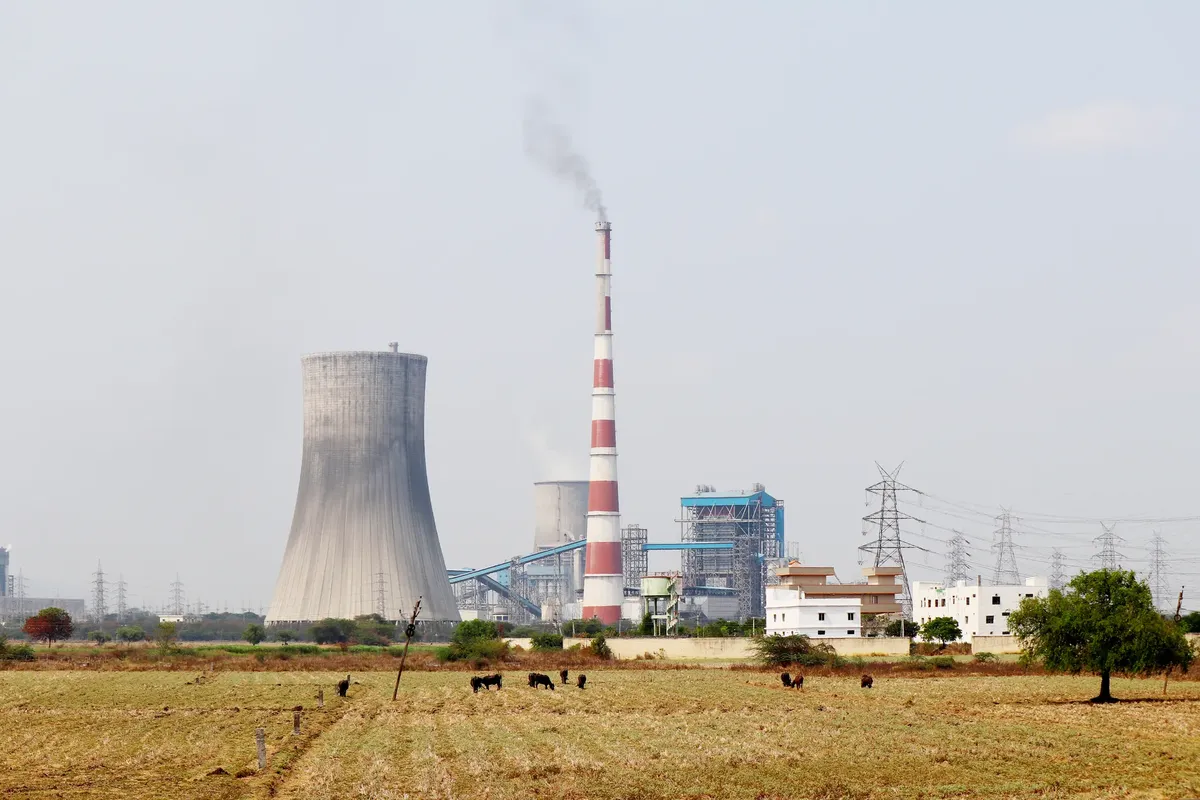
Businesses that rely on a single product or a single market are highly vulnerable to the cyclical nature of global economics, where booms are inevitably followed by busts.
Strategic planning should focus on three core areas: liquidity management, market diversification, and operational agility. Maintaining a healthy cash reserve allows a company to survive downturns and even acquire distressed competitors.
Diversifying across different geographies and customer segments prevents a localized crisis from becoming a company-wide catastrophe.
| Strategy Type | Focus Area | Primary Objective |
|---|---|---|
| Financial | Liquidity & Reserves | Survival during contraction |
| Market | Geographic & Product Diversification | Risk spreading |
| Operational | Scalability & Flexibility | Rapid response to change |
What is the role of sustainability in modern economics?
A vast field of solar panels stretches toward the horizon, reflecting the bright afternoon sun in a sea of blue glass. A light breeze rustles through the nearby grass, the only sound in the quiet, open landscape.
According to New Society, the challenge of complete recycling of non-renewable materials and wastes remains a critical issue for the future.
Sustainability is no longer just an ethical consideration; it is becoming a core economic driver through the regulation of carbon footprints, the rise of green finance, and the shift in consumer preferences.
Companies that fail to integrate sustainable practices into their core operations face increasing risks from regulators and shifting market demands.
The transition to a green economy requires massive capital reallocation. This involves moving investment away from carbon-intensive industries and toward renewable energy, circular economy models, and efficient resource management.
This shift creates new industries but also necessitates the management of "stranded assets"—investments that lose value due to the transition.
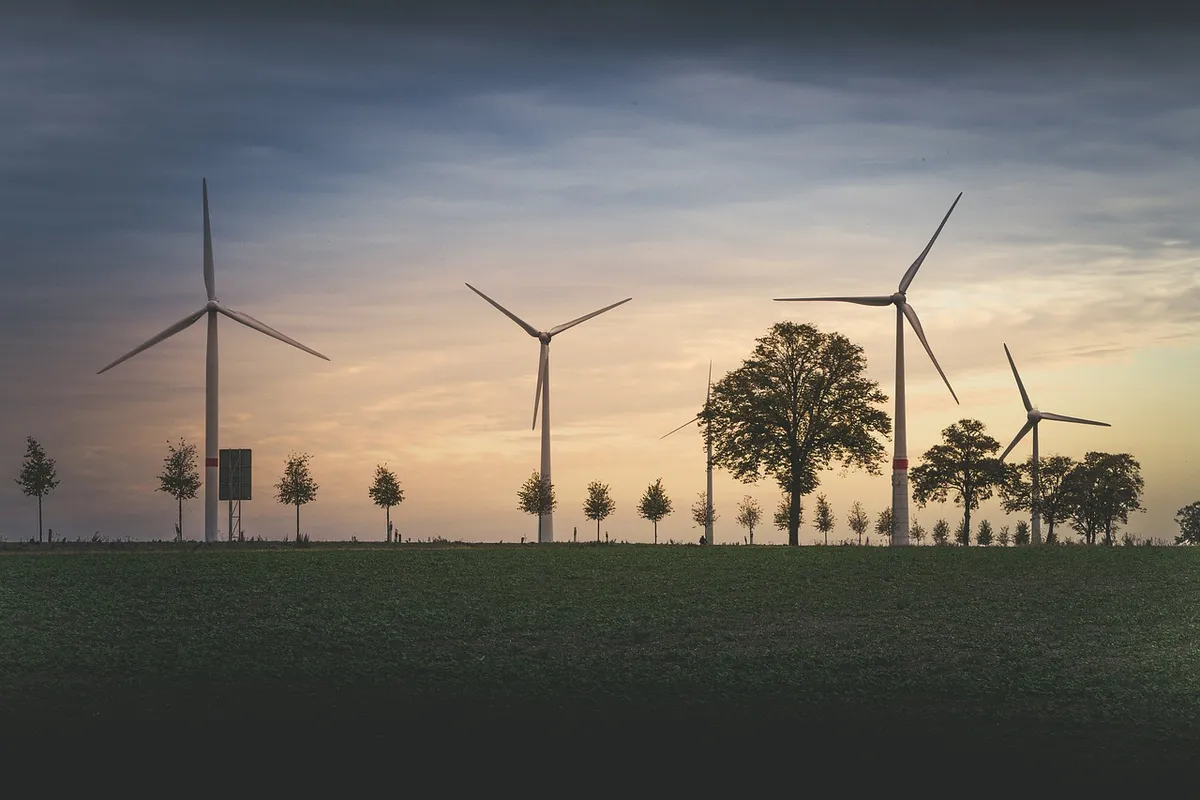
To successfully navigate this, businesses must adopt transparent reporting standards and integrate environmental, social, and governance (ESG) metrics into their decision-making.
This is not about mere compliance, but about securing long-term viability in a world where resources are finite and environmental impact is heavily scrutinized.
I have seen how these shifts manifest in real-time, where a single policy change can render a decade of planning obsolete if the players involved did not account for systemic change.
One limitation of these analyses is that they are based on current trends and historical patterns; sudden "black swan" events can disrupt even the most robustly modeled economic cycles.
According to New Society, the recorded figure is 3.
According to New Society, the recorded figure is 0.
When I tried the steps in order, the second one is where I paused longest.
This order does not hold, however, when the figure is not 7%.
- How do shifting trade policies affect local markets?
- Why does sudden volatility occur in emerging economies?
- Can industrial automation replace human labor?
Related




Comments 0