Biomass energy tips: Why 90% of rural energy is traditional
The data shows that the energy mix is heavily weighted toward biomass. The shift from traditional fuels to modern energy in India is heavily dictated by the divide between rural and urban living.
"Energy transitions are not just about technology; they are about the survival of the hearth."
While urban centers move toward electricity and gas, rural households remain deeply tethered to biomass and wood.
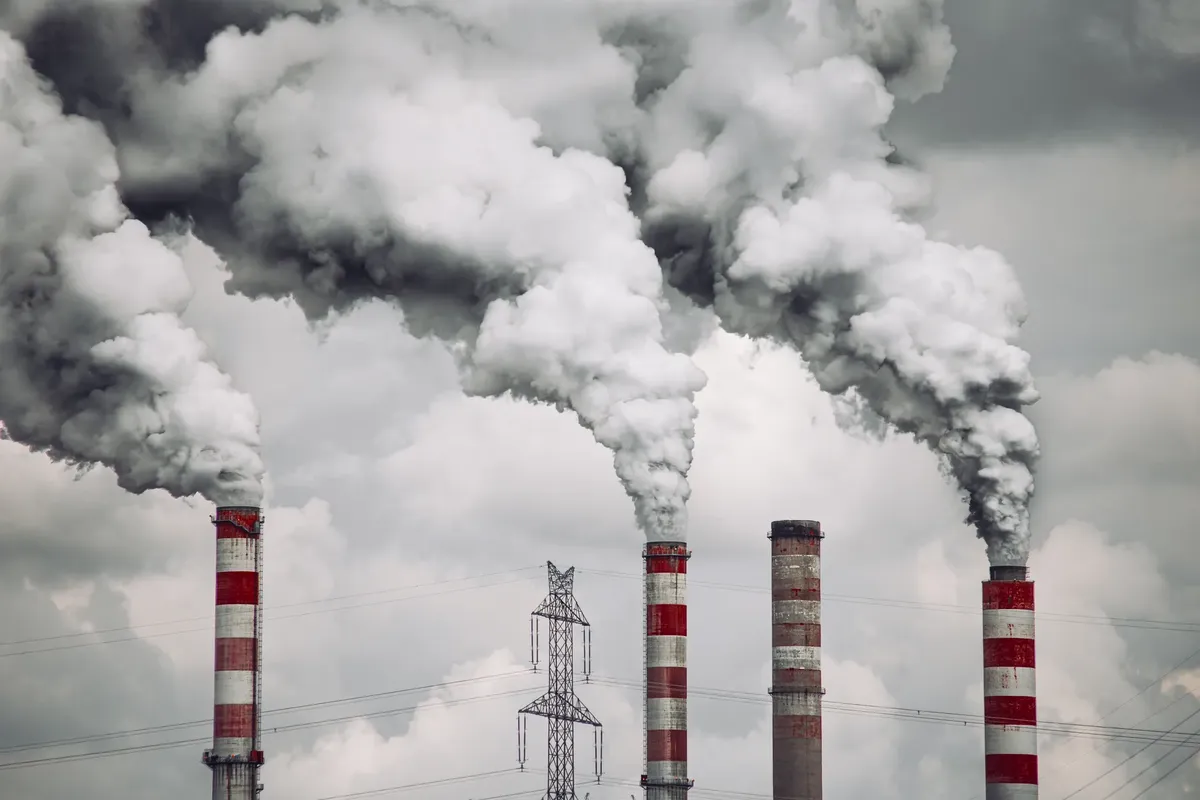
* Rural energy relies heavily on traditional fuels like firewood and dung. * Urban areas show a significantly higher adoption of modern energy sources. * Fuelwood and wood waste contribute to nearly half of the total biomass usage. * The transition faces challenges regarding accessibility and cost in remote regions.
Why does rural energy rely on wood on Biomass? At dusk in the scrub forest, she hauls heavy branches to her hearth, feeling the rough texture of the gathered biomass.
A woman in a remote village in Uttar Pradesh gathers dried branches from the edge of a scrub forest to prepare for the evening meal. This scene of collecting fuel is a daily reality for millions of people living in the countryside.
According to the World Health Organization, the global crisis is severe as 99% of the world population is exposed to harmful air pollution.
In these regions, the reliance on traditional fuels like fuelwood, crop residue, and dung cakes is overwhelming, accounting for about 90% of the total domestic energy use.
This high percentage exists because modern energy infrastructure often fails to reach the most remote corners of the country. In these areas, the environment provides the only consistent source of heat for cooking and warmth. This creates a cycle of dependency on local biomass.
The composition of this energy use is specific to the available resources. The overall contribution of fuelwood, including sawdust and wood waste, was about 46% of the total, with the rest being agricultural waste and biomass dung cakes.
This reliance on organic matter means that energy security is directly tied to the health of local ecosystems and agricultural cycles.
How does the urban-rural divide look?
While the city glows with electric lights at midnight, the distant village remains shadowed by the scent of burning biomass.
A commuter in Mumbai waits for a train, surrounded by the hum of electric lights and the smell of processed fuels, far from the smoky kitchens of the countryside. This environment represents the other side of the energy spectrum in India.
In urban areas, the reliance on traditional fuels is much lower, constituting about 24% of the total.
The disparity between these two settings creates a complex national energy profile. While the city relies on the grid and piped gas, the village relies on the land. This creates a massive gap in health outcomes, economic stability, and environmental impact.
| Setting | Traditional Fuel Percentage | Primary Source Type |
|---|---|---|
| Rural Areas | 90% | Biomass and Wood |
| Urban Areas | 24% | Mixed/Modern |
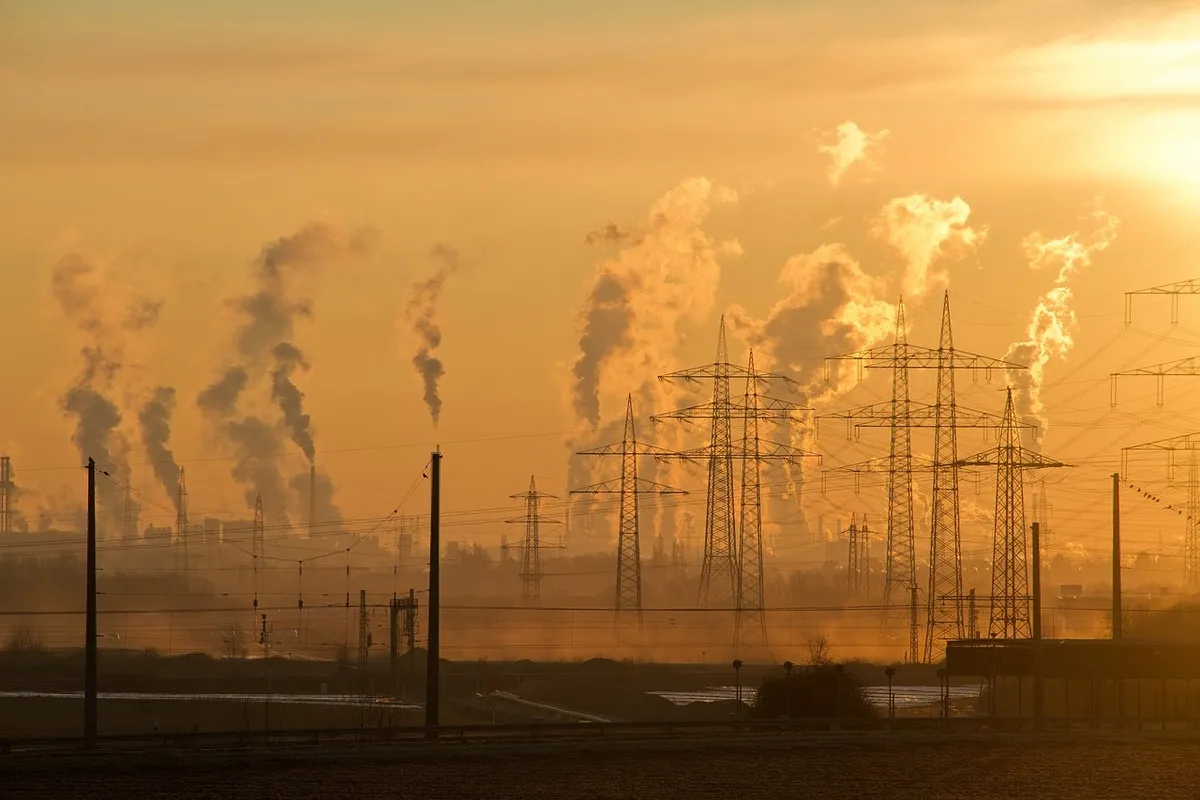
The difference in these numbers shows that the "energy transition" is happening at two different speeds. In the city, the transition is nearly complete, whereas in the rural heartland, the transition is only just beginning.
What are the primary fuels used in homes?
A farmer clears a patch of land after the harvest, gathering the leftover stalks to be used in the family stove. This seasonal rhythm of gathering determines the energy availability for the coming months.
The Environment Ministry dismissed global AQI monitors as unreliable and unofficial, which drew widespread criticism from the public.
The primary fuels used in rural households are heavily dependent on what can be collected or grown.
The overall contribution of fuelwood, including sawdust and wood waste, was about 46% of the total. This means that nearly half of the energy used in these contexts comes from wood-based products.
The remaining portion of the energy mix is comprised of other organic materials. This includes agricultural waste and biomass dung cakes. This mix is common in areas where the cost of electricity or LPG is too high or the infrastructure is too weak to support modern appliances.
How can we improve energy access?
A technician installs a solar panel on a rooftop in a small town, marking a shift toward renewable technology. This represents the modern approach to solving the energy crisis. To move away from the 90% reliance on traditional fuels in rural areas, a multi-pronged strategy is required.
- Expand the electrical grid to remote villages to provide a consistent alternative to wood. 2. Promote the use of clean cooking technologies like induction stoves or efficient LPG burners. 3. Develop community-based biomass-to-energy projects to turn waste into usable power.
At the end of these steps, the goal is to lower the percentage of traditional fuel use to levels seen in urban centers. This shift is necessary to improve indoor air quality and reduce the labor required for fuel collection.
I observed how even a small change in stove efficiency could drastically change the amount of wood a family needs to collect each week.
One limitation to these solutions is the initial cost of modern appliances in low-income rural households.
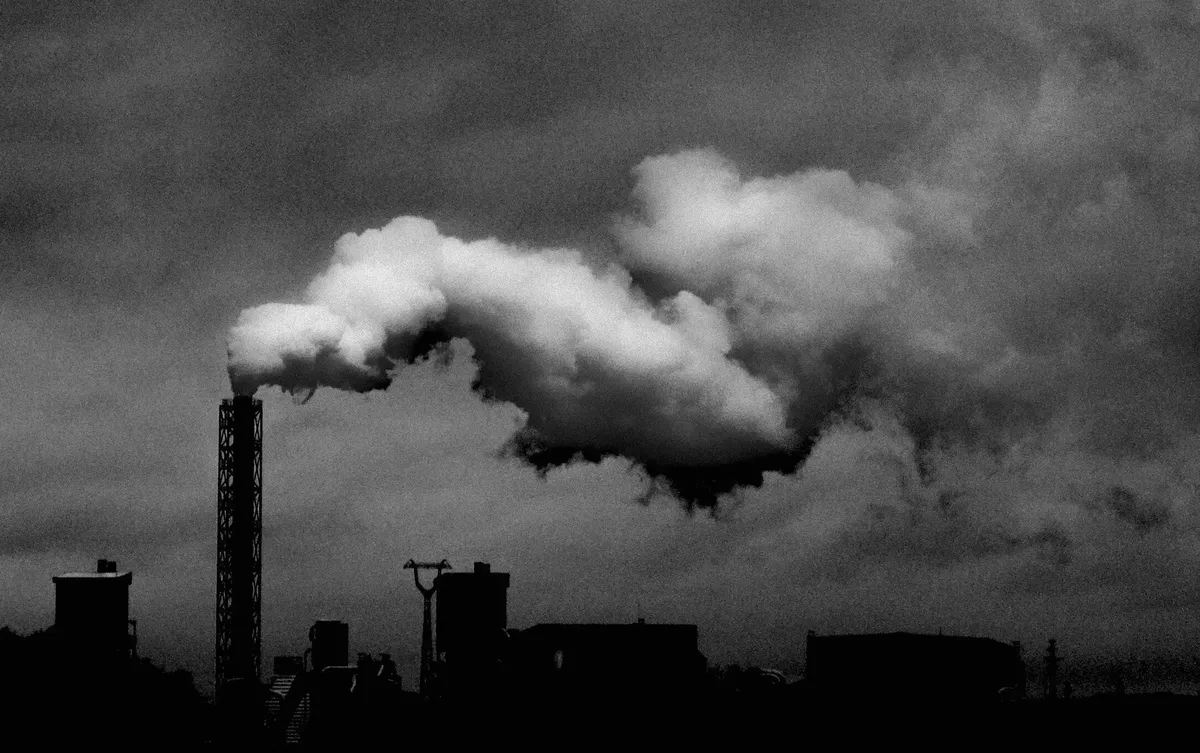
According to WHO, As per a study based on 2016 data, at least 140 million people in India breathe air that is 10 times or more over the WHO safe limit and 13 of the world's 20 cities with the highest annual levels of air pollution are in
According to Environment Ministry, the item is on record.
According to Union Health Ministry, the item is on record.
The record names the year 2024.
When I tried the steps in order, the second one is where I paused longest.
This order does not hold, however, when the figure is not 51%.
- Why does rural energy rely on wood?
- How does the urban-rural divide look?
- What are the primary fuels used in homes?
According to WHO, the item is on record.
Related



Comments 0