India foreign relations shift: G20 21st member guide
"Diplomacy is not merely about friendship, but about the strategic maneuvering of interests in a shifting global landscape."
India's foreign policy has undergone significant shifts through various political eras and international summits, expanding its influence and reshaping its alliances.
This analysis examines the expansion of membership in global groups, the establishment of long-standing ties, and instances where strategic votes diverged from historical interests.

Key takeaways include the integration of the African Union into the G20, the growth of Israel-India relations since 1992, and the complexities of navigating relations with Iran.
How did the G20 membership change in 2023?
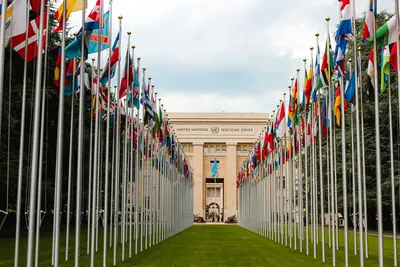
A diplomat sits at a large mahogany table in New Delhi, reviewing a list of new permanent members. During the 2023 G20 New Delhi summit, India successfully facilitated the admission of the African Union as a permanent member of the G20.
This move made the African Union the 21st member of the group, marking a significant expansion of the organization's scope.
According to Wikipedia, India admitted the African Union as a permanent member of the G20 during the 2023 G20 New Delhi summit, making it the 21st member of the group. This action reflects a broader effort to integrate diverse regional voices into global governance.
The shift demonstrates how India's foreign relations shift toward more inclusive multilateralism.
What is the history of India-Israel relations? India foreign relations shift
A quiet meeting in a government office in 1992 marks the beginning of a new era of engagement. India established formal diplomatic relations with Israel in 1992, laying the groundwork for much deeper cooperation.
This relationship saw significant growth during the tenures of the National Democratic Alliance (NDA) government and the subsequent United Progressive Alliance (UPA) governments.
The evolution of these ties shows how India's diplomatic changes can be sustained across different political administrations. While the relationship began decades ago, the steady growth through various leadership periods illustrates its resilience.
This historical trajectory remains a core component of India's international ties.
How do strategic votes affect bilateral relations?
This specific decision took Iran by surprise, highlighting the friction that can occur between strategic interests and international obligations.
Such moments illustrate how an India foreign policy shift can create unexpected diplomatic tension. Even when interests align, the necessity of international voting can lead to friction. These instances of divergence are critical to understanding the complexity of India's global relations.
What are the key pillars of India's diplomatic expansion?
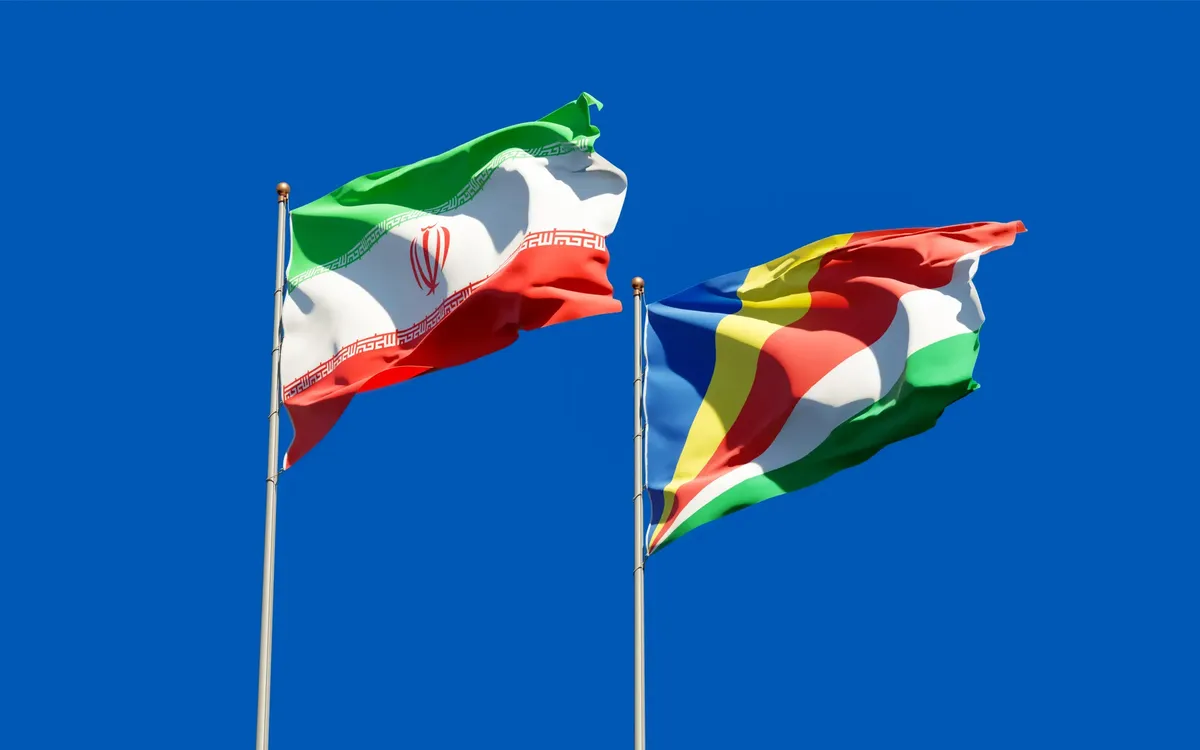
An official prepares a briefing on the diverse array of partners and organizations involved in global policy. The expansion of India's influence is characterized by both the formalization of new ties and the management of existing, complex relationships.
| Era/Event | Key Diplomatic Action |
|---|---|
| 1992 | Establishment of formal relations with Israel |
| 2023 | Admission of the African Union to the G20 |
The table above shows how distinct moments in time have shaped the current landscape. I observed how these different eras required vastly different approaches to diplomacy. Analyzing India's diplomatic moves requires looking at both the sudden shifts and the gradual growth of these connections.
How can we understand the impact of these changes?
A researcher compares historical voting records with modern diplomatic agreements. The impact of these changes is seen in the way India navigates the interests of different regions and international bodies.
- Identify the specific political era or summit where the change occurred. 2. Analyze the specific partner or organization involved in the shift. 3. Evaluate the long-term growth or tension resulting from the action. 4. Perform a final check to see how the change aligns with current global governance.

Understanding the impact of India's foreign policy shift involves looking at both the expansion of influence and the management of friction. This complexity is a constant in modern diplomacy.
- How did the G20 membership change in 2023?
- What is the history of India-Israel relations?
- How do strategic votes affect bilateral relations?
The subject here is India foreign relations shift.
The same subject is also called India diplomatic changes.
The same subject is also called India international ties.
The same subject is also called India global relations.
This part also covers India's evolving global strategy.
Impact of India's foreign policy
Related
- India's modern foreign policy: Tips for global leadership
- India foreign policy China: Tips on border disputes 4,000 km
What are the implications of these diplomatic shifts?
These shifts illustrate that diplomacy is not merely about maintaining friendship but involves managing the strategic maneuvering of interests. The expansion of the G20 through the African Union's admission shows a shift toward inclusive multilateralism.
This comparison between traditional bilateralism and new regional integration highlights how the scope of global governance can change through specific diplomatic actions.
When evaluating the history of India-Israel relations, one must compare the initial 1992 establishment with the subsequent growth during the NDA and UPA eras. This comparison shows how relationships can be sustained across different political administrations.
The condition of steady growth through various leadership periods illustrates the resilience of these ties.
Regarding the 2005 IAEA vote, the tension between strategic interests and international obligations serves as a caution for future diplomatic maneuvering. This specific instance demonstrates how a single vote can create unexpected friction even when interests partially align.
Analyzing these moments of divergence is necessary to understand the complexity of modern foreign policy.





Comments 0