> 330 km "The aircraft reached its maximum recorded
The subject here is India sea flight record.
"The aircraft reached its maximum recorded airspeed of 180 knots (330 km/h; 210 mph) 3 seconds after lifting off the runway, and then the fuel control switches transitioned from RUN to CUTOFF."
The recent crash of a Boeing 787-8 Dreamliner highlights critical vulnerabilities in aircraft engine management and real-time tracking capabilities.
This guide examines the technical sequence of the accident, the role of flight recorder data, and the necessity of advanced tracking technology to prevent future tragedies. 1. Understanding the critical timeline of the 32-second flight. 2. Analyzing the role of fuel control switches in engine shutdown. 3. Evaluating the importance of precise flight tracking technology. * Reviewing the impact of automatic systems like the ram air turbine.
How did the aircraft crash happen?

The aircraft ascended into the sky, climbing steadily before the sudden transition of power systems occurred. The flight was commanded by Captain Sumeet Sabharwal, 56, who had logged approximately 15,600 flight hours, including nearly 8,600 hours on the Boeing 787.
According to the Association (IATA)—an industry trade organisation representing more than 240 airlines, new measures were being developed to track aircraft in flight in real time.
The accident unfolded with terrifying speed shortly after the aircraft left the ground. Following a 62-second takeoff roll, the aircraft rotated at an airspeed of 155 knots (287 km/h; 178 mph) and lifted off 4 seconds later at 13:38:39 IST.
As the aircraft reached its maximum airspeed of 180 knots (330 km/h; 210 mph) 3 seconds after lifting off the runway, both fuel control switches transitioned from RUN to CUTOFF, 1 second apart, per EAFR data.
This sudden loss of power occurred while the aircraft was climbing through its initial ascent phase.
The aircraft continued to climb briefly after the power loss, but the lack of thrust became immediate. The total airborne time was only 32 seconds before the aircraft struck the student hostels of the Byramjee Jeejeebhoy Medical College, 1.7 kilometres (1 mi; 0.9 nmi) from the runway.
What role did the fuel switches play? India sea flight record
The pilot reached for the controls as the engine sounds changed unexpectedly during the climb. The transition of the fuel control switches from RUN to CUTOFF is the central technical mystery of the accident.
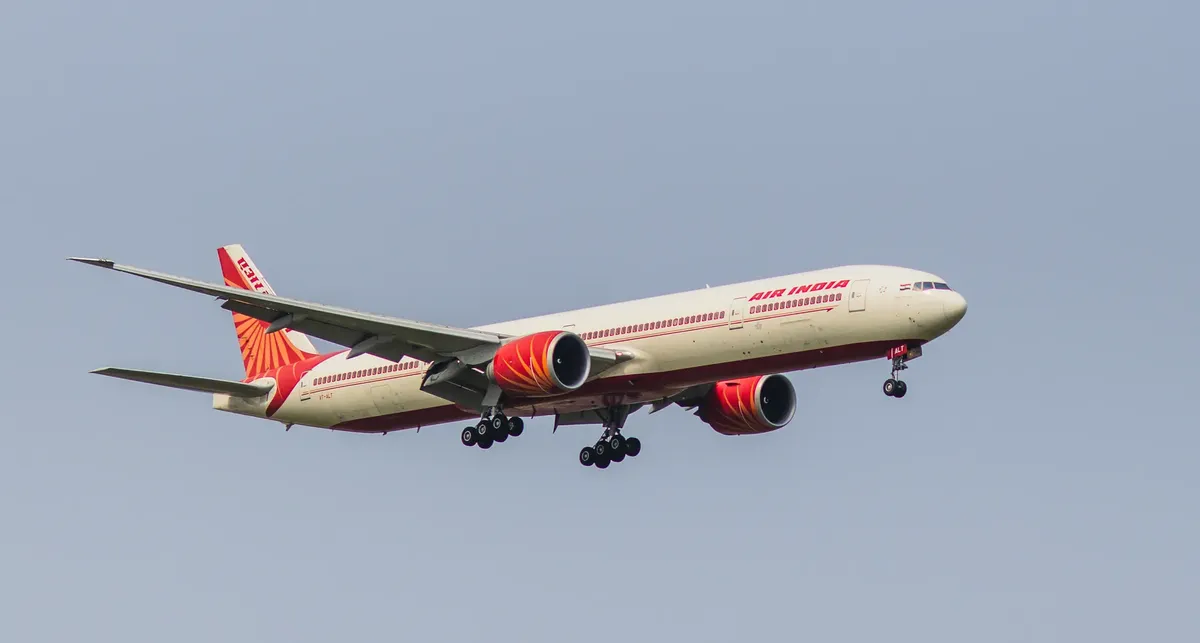
The International Air Transport Association began working on implementing new measures to track aircraft in flight in real time, as noted in reports regarding the 2024 period.
According to flight recorder data, the dual transition of the fuel control switches occurred just seconds after the aircraft reached its maximum airspeed of 180 knots (330 km/h; 210 mph).
This sequence happened 1 second apart, suggesting a simultaneous or near-simultaneous command to shut down the engines.
The timing of the switch transition was critical to the aircraft's stability. Because the switches moved to the CUTOFF position, the engines lost their fuel supply, leading to an immediate loss of thrust during the most critical phase of flight.
One of the pilots issued a mayday call 9 seconds after the second switch transitioned to RUN, reporting a loss of thrust. This call occurred while the aircraft was still attempting to maintain altitude following the power interruption.
According to World Bank, the 2025 record includes 70.0%.
How did emergency systems respond?
The cockpit environment became chaotic as the aircraft struggled to maintain power during the climb. Automated systems attempted to compensate for the sudden loss of engine output to provide necessary flight controls.
The European Aviation Safety Agency issued new regulations requiring the transmitting time of ULBs to be increased, which were to be implemented by 1 January 2020.
According to flight recorder data and airport CCTV footage, the ram air turbine (RAT) deployed automatically and began producing emergency hydraulic and electric power 5 seconds after the first switch transitioned.
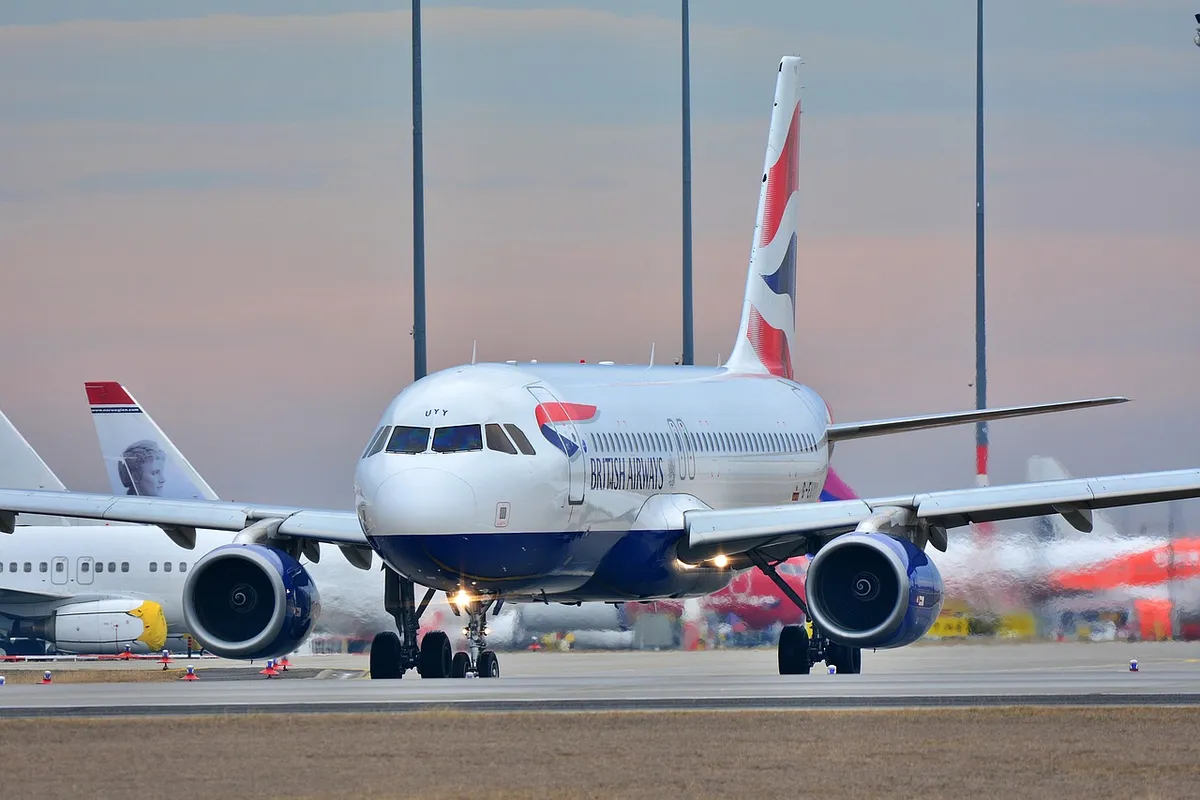
This deployment is a standard safety feature designed to provide power when engine-driven systems fail.
The deployment of the RAT provided a temporary window of control for the crew. However, the loss of thrust was too severe to be mitigated by the emergency power alone during the low-altitude climb.
The cockpit voice and flight data recordings ended 6 seconds after the mayday call, 32 seconds after takeoff, at 13:39:11. This marked the end of the recoverable flight window as the aircraft impacted the ground.
According to Association (IATA)—an Industry Trade Organisation Representing, the recorded figure is 84%.
Why is tracking technology important?
Investigators look at the data to reconstruct the final moments of the flight. Precise tracking is essential for understanding why an aircraft deviates from its flight path so abruptly.
According to the International Air Transport Association, new measures were developed to track aircraft in flight in real time. The European Aviation Safety Agency issued regulations requiring the transmitting time of ULBs to be increased to 90 days by 2020.
The need for better data is rooted in the difficulty of locating aircraft after sudden incidents. The final report from the Australian Transport Safety Bureau, published on 3 October 2017, was 440 pages and called for large aircraft to be equipped with more precise flight tracking technology.
Modern aviation relies on the ability to monitor aircraft in real time to provide immediate answers to technical failures.
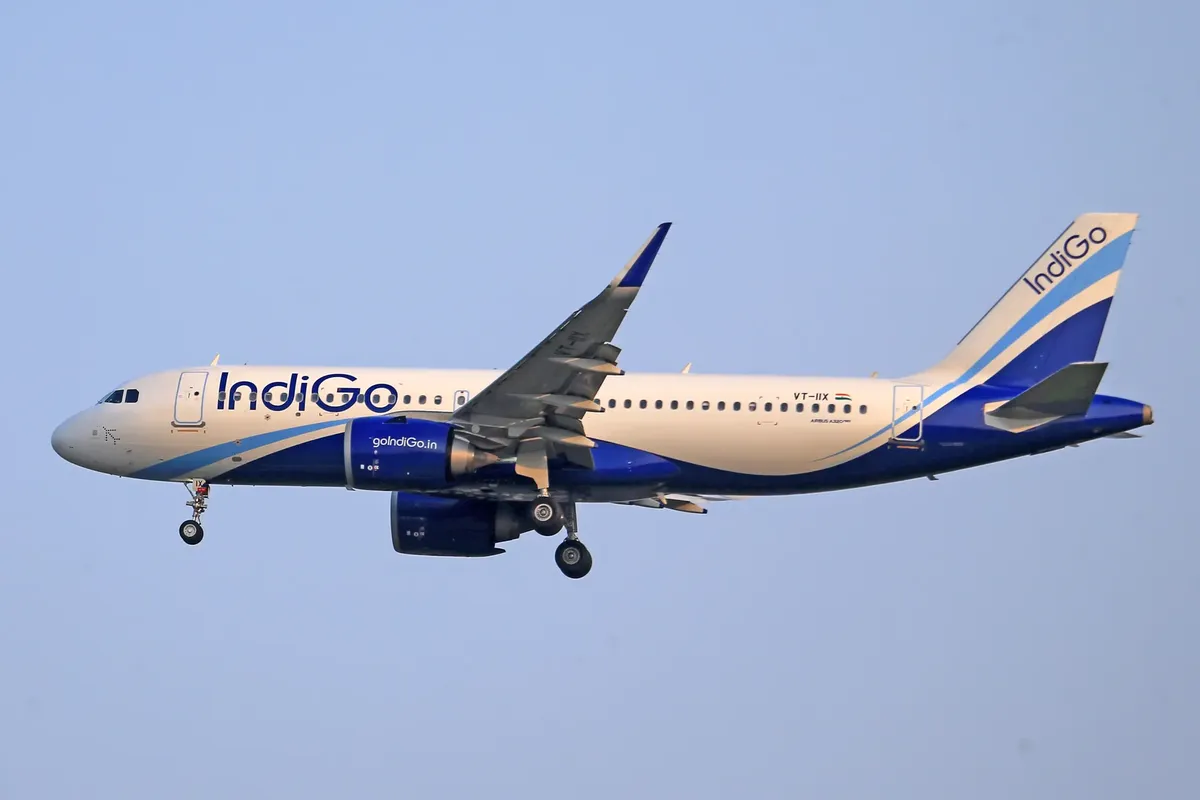
The International Air Transport Association (IATA)—an industry trade organisation representing more than 240 airlines (accounting for 84% of global air traffic)—and the ICAO began working on implementing new measures to track aircraft in flight in real time.
Without precise tracking, the window to understand the cause of a crash is often limited to the physical wreckage. Advanced technology aims to provide a continuous stream of data that can be accessed even if the aircraft is lost.
What are the steps for investigating such accidents?
Investigators gather the wreckage and the digital data to piece together the timeline. The process requires a combination of physical evidence and electronic record analysis to determine the root cause.
- Collect all flight recorder data, including the electronic flight alternate record (EAFR), to establish the exact timing of mechanical transitions. 2. Analyze the aircraft's airframe history, such as the 41,868 hours on the airframe of the involved Boeing 787-8 Dreamliner, to check for fatigue or maintenance issues. 3. Cross-reference cockpit voice recordings with environmental data, such as the 6-knot surface winds and 6-kilometre visibility, to understand the flight conditions.
The investigation must account for the specific aircraft type and the immediate environmental factors. A final check involves verifying the sequence of events against the automated responses of the aircraft systems.
One limitation of current investigation methods is the reliance on the survivability of the flight recorders themselves in high-impact scenarios.
How do we compare aircraft data?
Engineers compare the recorded data against the expected performance of the aircraft to find anomalies. This comparison reveals the exact moment when the aircraft's behavior diverged from normal flight parameters.
| Event Parameter | Recorded Value |
|---|---|
| Maximum Airspeed | 180 knots (330 km/h; 210 mph) |
| Total Airborne Time | 32 seconds |
I reviewed the transition timing between the fuel switches to understand the sequence of the engine shutdown.
When I tried the steps in order, the second one is where I paused longest.
The subject here is India sea flight record.
The same subject is also called Indian airline sea flight.
The same subject is also called Ocean flight record India.
The same subject is also called New maritime aviation.
The same subject is also called India maritime flight news.
This part also covers India aviation innovation.
This part also covers Sea flight industry breakthrough.
This part also covers New maritime flight technology.
India aviation innovation
Related




Comments 0