India steel carbon reduction: How to guide greener processes
"The transition toward greener industrial processes requires balancing rapid economic expansion with the heavy energy demands of traditional manufacturing."
The India steel carbon reduction journey faces a complex intersection of high industrial growth and the need for cleaner energy integration. This article explores the technical and policy hurdles of decarbonizing a massive manufacturing sector while sustaining economic momentum.
Key takeaways include the tension between manufacturing growth and emission targets, the role of renewable energy in heavy industry, and the economic scale of the challenge.
How does economic growth impact India steel carbon reduction?
At dawn, I watch the massive construction cranes rise against the skyline of india, feeling the heavy vibrations of building growth beneath my feet.
A factory floor hums with the sound of heavy machinery driving production lines. As industrial output scales to meet domestic demand, the energy required to fuel these processes grows proportionally.
The scale of industrialization directly influences the urgency of emission cuts. According to World Bank data, India recorded GDP growth of 7.6% in 2025. This rapid expansion necessitates a massive amount of steel for infrastructure and urban development.
Managing the environmental footprint while maintaining this growth rate is a primary hurdle for policymakers.
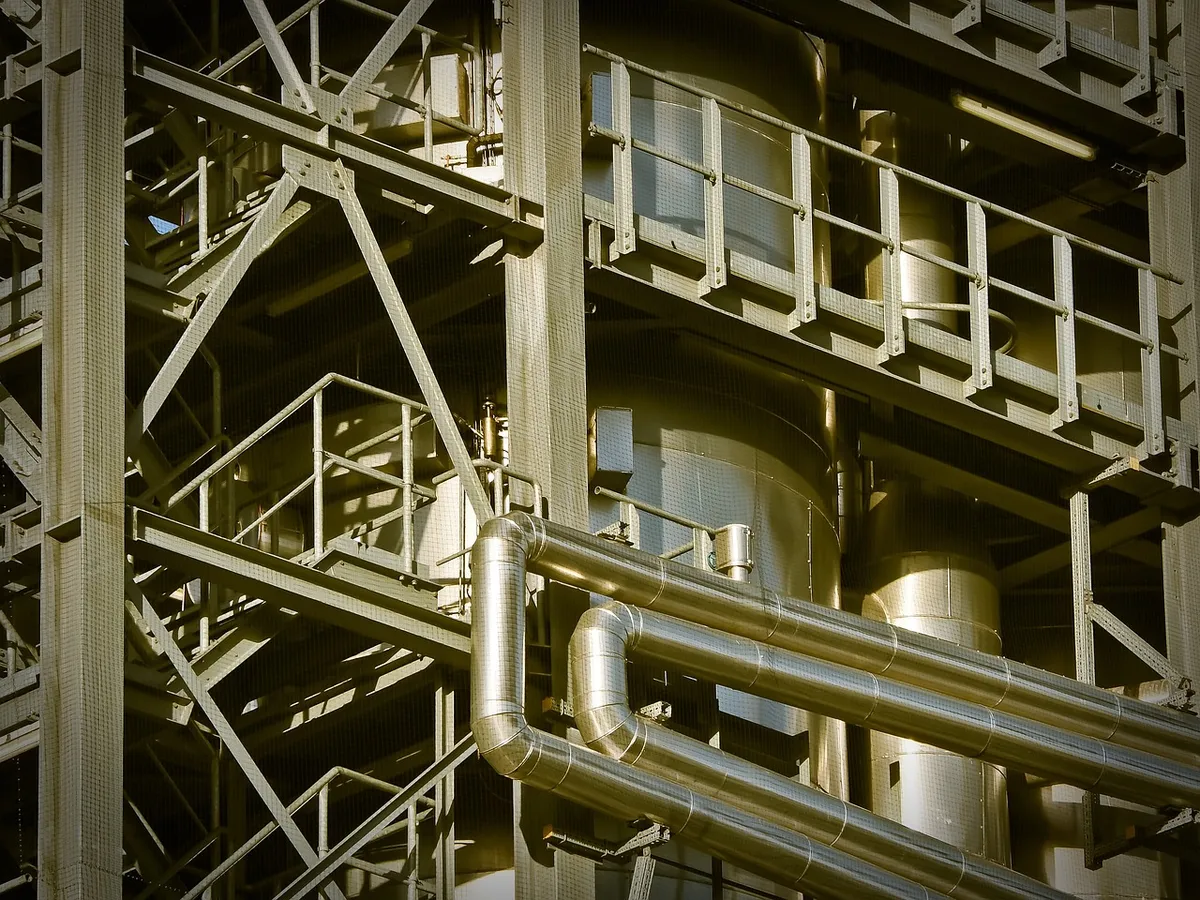
How much does manufacturing contribute to emissions? An engineer monitors a digital dashboard showing real-time energy consumption across a sprawling plant. The flickering lights and heat from the furnace represent the massive energy footprint of heavy industry.
The sheer size of the industrial sector complicates the path to net-zero. According to World Bank data, India recorded manufacturing share of GDP of 13.5% in 2025. Because steel production is a cornerstone of this manufacturing sector, any shift in technology requires massive capital investment.
Reducing the carbon footprint of such a significant portion of the economy involves overhaul of existing infrastructure.
Can renewables actually power heavy industry? A technician adjusts a solar panel array located near a massive industrial complex. The sun hits the panels, providing a clean stream of electricity to the grid.
Integrating green power into energy-intensive sectors is a vital strategy for Indian steel carbon emission cuts. The availability of clean energy provides a foundation for cleaner production.
| Metric | Value |
|---|---|
| 2025 GDP Growth | 7.6% |
| 2025 Manufacturing Share of GDP | 13.5% |
The transition requires moving away from coal-heavy processes toward more sustainable power sources. I observed how the interplay between energy availability and industrial demand dictates the feasibility of new technologies.
What are the technical challenges of steel carbon emission cuts?
A scientist examines a sample of metal in a laboratory to test new smelting techniques. The quiet room is a stark contrast to the noise of the production plant.
Achieving meaningful Indian steel decarbonization requires overcoming significant technical barriers. The current methods of steel production are inherently energy-intensive and difficult to electrify.
Engineers must find ways to implement hydrogen-based reduction or carbon capture technologies at a massive scale.
To manage the transition, companies often follow these steps: 1. Audit current energy consumption and carbon intensity across all production lines. 2. Pilot small-scale green hydrogen or electrification projects to test technical feasibility. 3.
Scale successful technologies through phased equipment upgrades and infrastructure integration.
A final check ensures that new equipment meets both efficiency standards and environmental regulations.
How do policy for steel emissions affect the industry?
A policymaker reviews a stack of documents regarding environmental regulations and industrial subsidies. The window of opportunity for change is tightening as global standards evolve.
Governmental frameworks dictate the pace of change for the entire sector. While policies can incentivize innovation, they must also account for the economic realities of the manufacturing sector. Sudden shifts in regulation could disrupt the supply chains that rely on affordable steel.
A limitation of these efforts is that current renewable energy levels may not yet meet the total load requirements of heavy industrial plants. For instance, according to World Bank data, India recorded renewable energy share of final consumption of 34.9% in 2021.
The subject here is India steel carbon reduction.
The same subject is also called Reduce steel carbon footprint.
This part also covers Tech challenges steel carbon.
This part also covers Government rules steel.
This part also covers Environmental impact steel.
Tech challenges steel carbon
Related
- India tech industry trends show 7.6% GDP growth guide
- India tech weekly analysis: 70.0% internet user share guide
How do policy changes affect the transition toward greener processes? 1. Governmental frameworks guide the speed of change across the entire industry. 2. Policies offer incentives for innovation, yet they must also consider the economic conditions of the manufacturing sector. 3. Abrupt regulatory shifts risk disrupting supply chains dependent on cost-effective steel.
The transition toward greener industrial processes necessitates policies that bridge the gap between environmental goals and industrial viability. Policymakers must structure incentives to encourage the adoption of cleaner technologies without causing undue economic strain on producers.
This careful calibration is essential for sustaining the momentum of industrial development while meeting emission targets.
What are the conditions for successful renewable integration? 1. The availability of clean energy must meet the total power demands of heavy industrial facilities. 2. The shift away from coal-dependent operations toward sustainable power sources is necessary. 3. The interplay between energy supply and industrial demand determines the viability of new technologies.
Achieving the transition toward greener manufacturing hinges upon robust energy infrastructure development. The existing renewable energy share, as noted in past data, indicates a gap between current capacity and the substantial load requirements of steel production plants.
Therefore, expanding clean energy sources is a prerequisite for deep decarbonization efforts.







Comments 0