Air Pollution: 99% Exposure Guide to Global Health Crisis
"As nations push for economic dominance, the atmospheric cost often translates directly into human mortality."
The struggle between rapid industrial expansion and the necessity of clean air has become the defining tension of the 21st century. As the global economy shifts in 2026, the cost of progress is increasingly measured in the breath of the people living within it.
* Global Crisis: Air pollution is a pervasive threat, with the WHO estimating that sufferers face a global death toll of 6.7 million people each year. * Health Impact: The primary burden of air pollution is on cardiovascular health, with it being responsible for 27% of strokes and coronary heart disease. * Sources of Risk: Pollution stems from multiple sources, including industrial emissions, traffic, and domestic cooking practices. * Thresholds Matter: Health benefits from exercise can diminish significantly once air pollution concentrations exceed critical thresholds.
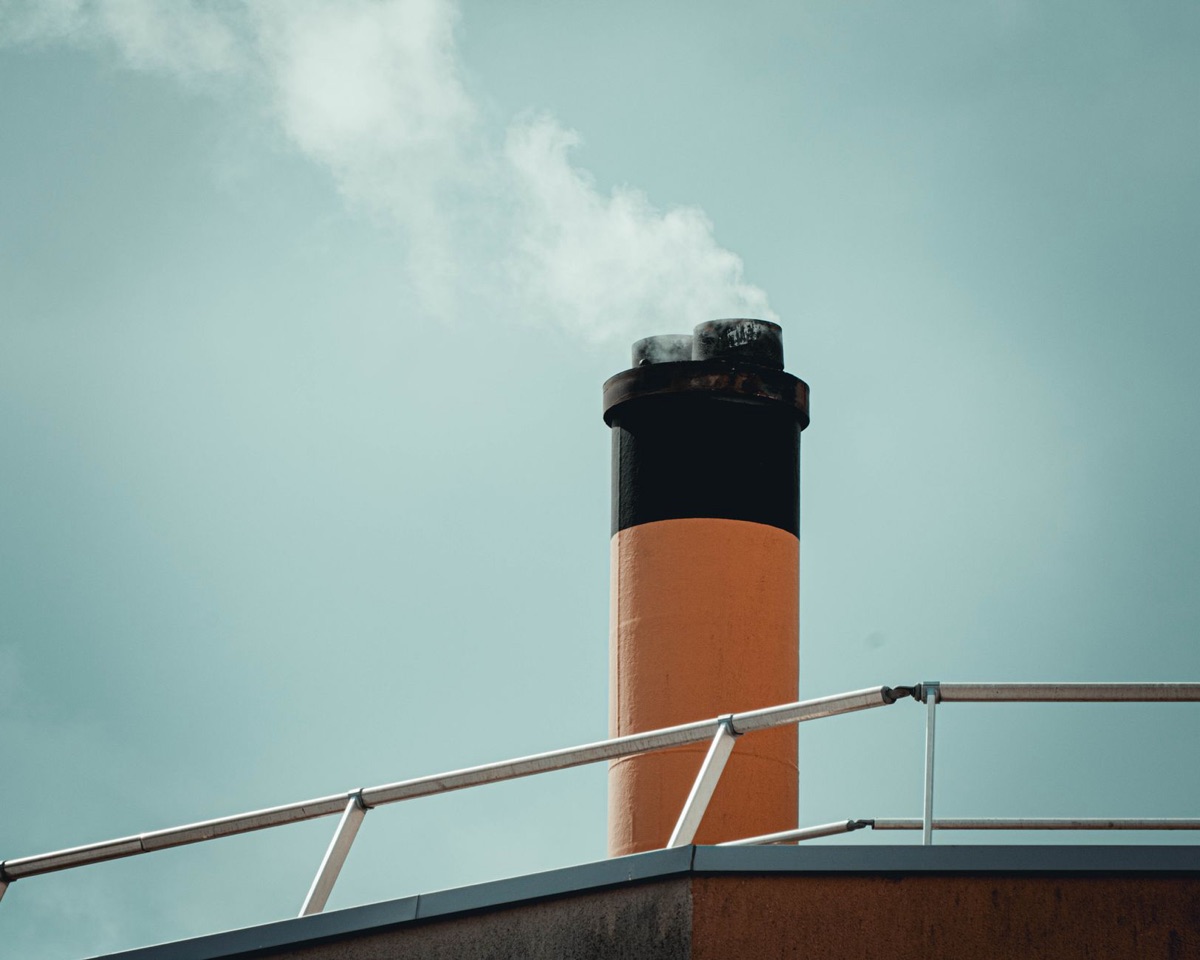
What is the Scale of the Global Air Pollution Crisis?
A heavy haze settles over a bustling metropolitan intersection as commuters mask their faces against the gray veil. The sheer scope of the problem is massive; the World Health Organization concludes that 99% of the world population is exposed to harmful air pollution.
The sheer scale of atmospheric contamination makes it nearly impossible to avoid. According to the WHO, 99% of the world's population resides in areas where air pollution exceeds recommended levels.
This means that for the vast majority of people on Earth, "clean air" is no longer the default state of existence.
The mortality burden resulting from this exposure is staggering. The World Health Organization estimates that sufferers face a global death toll of 6.7 million people each year due to air pollution, with 4.2 million of those deaths specifically attributed to outdoor air pollution.
While some regions might see less than 3% of deaths attributed to pollution, the risk remains disproportionately high in developing industrial hubs.
| Region/Context | Impact Level | Primary Concern |
|---|---|---|
| Global Population | 99% exposure | Universal risk |
| Total Annual Deaths | 6.7 million | Combined indoor/outdoor |
| Outdoor Deaths | 4.2 million | Industrial/Traffic focus |
| Low-Risk Regions | < 3% of deaths | Developed infrastructure |
However, the sheer volume of the crisis is only the beginning of the story.
How Does Air Pollution Specifically Threaten Human Health?
A doctor looks at a chest X-ray, noting the fine scarring that tells a story of years of breathing tainted air. The health impacts of particulate matter are often invisible until they manifest as catastrophic physiological failures.
The primary threat lies in the damage to the cardiovascular and respiratory systems. Air pollution is strongly linked to severe health outcomes, acting as a silent catalyst for chronic disease.
Globally, air pollution is responsible for 27% of strokes and coronary heart disease, making it a leading killer of the aging population.
Beyond the lungs, the impact extends to the very bloodstreams of the vulnerable. The World Health Organization estimates that cooking-related pollution causes 3.8 million annual deaths, highlighting how indoor environments can be just as lethal as industrial zones.
These pollutants enter the bloodstream, causing systemic inflammation and organ stress.
The danger is not just in the heavy smoke of factories, but in the air within our own homes.
Why are Industrial and Domestic Sources Different?
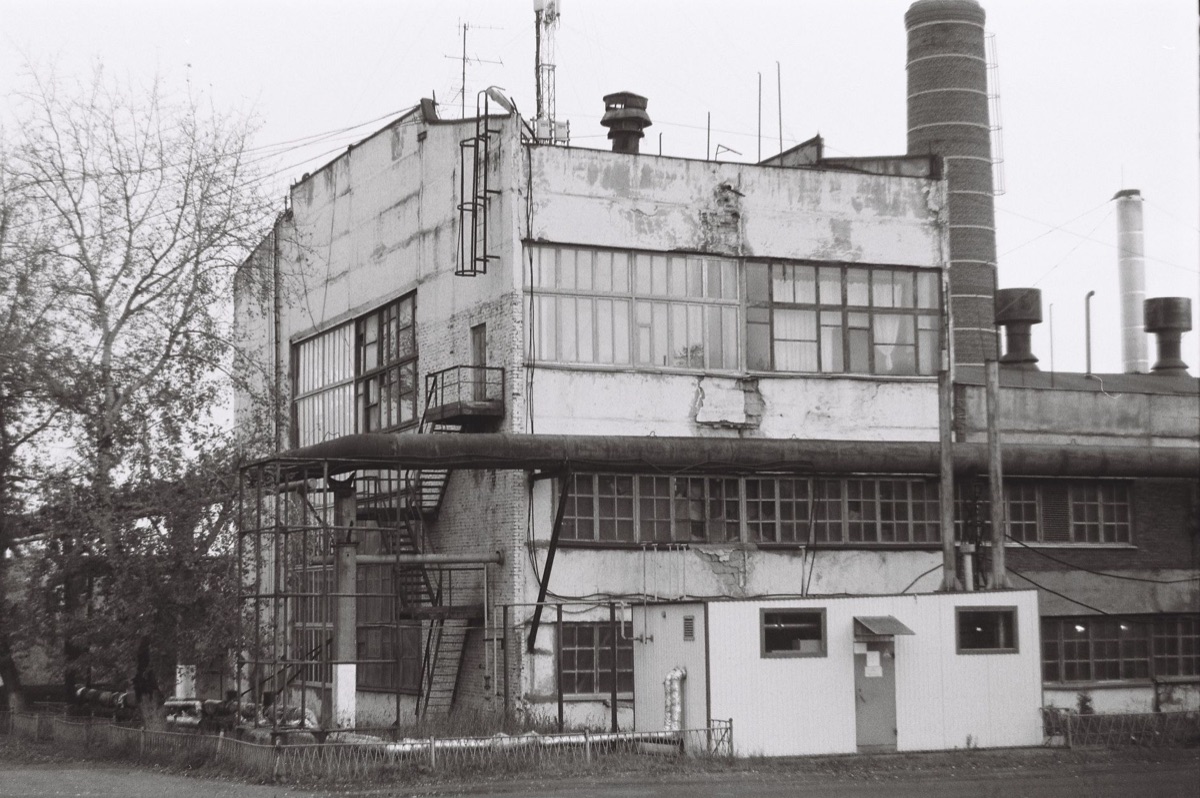
A mother in a rural village stirs a pot over an open flame while the distant silhouette of a factory chimney smokes against the sunset. The sources of pollution vary between heavy industry and the necessities of daily life.
Industrial development often drives the macro-level pollution seen in urban centers, but domestic practices create a different kind of risk.
While heavy industry relies on large-scale combustion, domestic cooking-related pollution remains a massive killer, particularly in regions where clean energy is unavailable.
The distinction between outdoor and indoor risk is critical for policy. Outdoor pollution is often the result of vehicular-traffic and heavy-industry-driven particulate matter, while indoor pollution is frequently tied to biomass-based cooking.
Both contribute to the 6.7 million annual deaths estimated by the World Health Organization.
But how can individuals manage a risk that seems to be everywhere?
How can we mitigate the risks of breathing polluted air?
A young professional checks a smartphone app, seeing the air quality index turn from yellow to a deep, warning red. Mitigation requires a combination of technological shifts and individual behavioral changes.
Mitigation strategies must address both the source of the pollution and the protection of the individual. Because 99% of the world's population is exposed to harmful levels, simply "avoiding" the air is not a viable solution for most people.
- Transition to Clean Energy: Moving from biomass to electric or gas-based cooking can immediately reduce the 3.8 million annual deaths caused by cooking-related pollution.
- Industrial Filtration: Implementing advanced scrubbing technologies in factories can lower the outdoor-specific death toll.
- Urban Green Belts: Increasing vegetation in industrial zones can help trap particulate matter before it reaches residential areas.
- Personal Protection: Using high-quality masks and air purifiers in homes can mitigate the impact of exceeding recommended levels.
When the air quality reaches extreme levels, the rules of health change.
When does the risk become unavoidable?
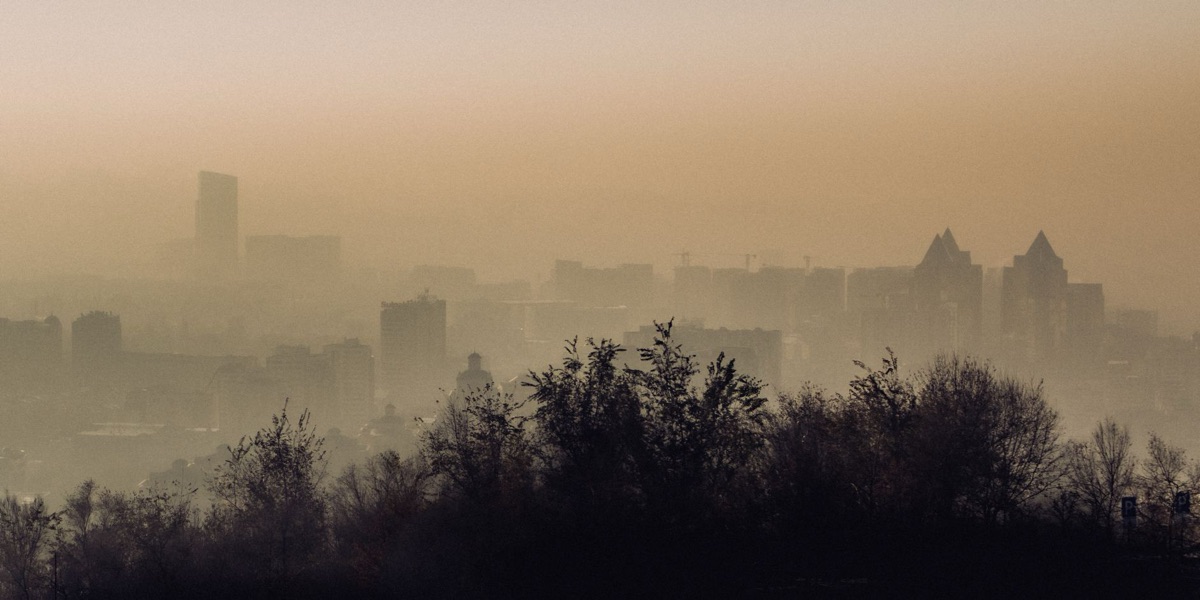
A child runs through a park, but the heavy haze makes the sunlight look orange and thick. The question of when the air becomes truly dangerous depends on the concentration of particulates.
The risk becomes unavoidable when the concentration of pollutants exceeds the body's ability to clear them. Because 99% of the world's population lives in areas exceeding WHO recommended levels, the struggle is often about managing chronic exposure rather than avoiding acute episodes.
For those living in high-risk zones, the health-to-activity ratio changes. While physical activity is generally healthy, the benefits of exercise can diminish significantly once air pollution concentrations exceed critical thresholds.
In these cases, heavy physical exertion can actually increase the intake of harmful particles.
This leads to a difficult question regarding the future of our technological fixes.
What are the limits of technological solutions?
An engineer stares at a complex filtration system, knowing that no machine can fully clean the atmosphere of an entire subcontinent. While technology offers hope, it cannot replace the need for systemic environmental reform.
Technological solutions are powerful but they face physical and economic limits. While advanced filtration can catch microscopic particles, it cannot easily remediate the sheer volume of emissions produced by a rapidly growing economy.
The cost of technological transition is a major hurdle. For many developing nations, the economic drive for industrial growth often clashes with the cost of installing expensive emission-control systems.
Without global cooperation, the 4.2 million deaths from outdoor pollution will continue to rise as industrialization scales.
When I was traveling through a heavy-smog region last year, I sat in a small cafe and watched people struggle to catch their breath while trying to enjoy their morning coffee.
It was a visceral reminder that no matter how much we discuss statistics, the air is something we cannot simply choose to ignore.
Related


Comments 0