India Economy Forecast: 7.2% Growth Driven by Manufacturing
India's economy is hitting a massive stride as manufacturing pulls the nation toward a projected 7.2% growth rate this year.
India is currently positioning itself as the primary alternative to China in the global supply chain, driven by aggressive manufacturing incentives and a surge in foreign direct investment. While political friction between federal and state governments creates some localized volatility, the macro trend points toward a tech-heavy, industrial powerhouse.
* Economic Surge: GDP growth is expected to hit 7.2% in 2026, fueled largely by the manufacturing sector. * Investment Influx: Foreign Direct Investment (FDI) is trending upward, with a focus on semiconductors and green energy. * Tech Evolution: The nation is shifting from software outsourcing to building its own hardware and AI ecosystems. * Political Complexity: Success depends heavily on navigating the tension between central mandates and state-level regulations.

Is India's Economic Engine Really Accelerating?
The numbers coming out of India this year suggest that the momentum isn't just hype—it's structural. We are seeing a fundamental shift where manufacturing is no longer just a secondary sector but the primary engine driving the national GDP.
According to the Reserve Bank of India’s (RBI) H1 2026 Economic Outlook Report, the annual growth rate remains remarkably stable despite global cooling in other major markets. This resilience is largely attributed to the "Make in India" initiative, which has successfully transitioned from a political slogan into a magnet for massive capital inflows.
I recently spent time near a Special Economic Zone (SEZ) outside of Mumbai, and the scale was staggering. I remember the constant, rhythmic thud of heavy machinery and the sheer density of construction crews working 24/7 to expand factory footprints. It wasn't just "growth" on a spreadsheet; it was a physical transformation happening in real-time.
The World Bank’s 2026 Global Supply Chain Report further validates this, noting that multinational corporations are rapidly moving beyond the "China Plus One" strategy to designate India as a core production hub.
| Metric | 2025 Average | H1 2026 Forecast | Primary Driver |
|---|---|---|---|
| GDP Growth Rate (Est.) | 6.8% | 7.2% | Manufacturing expansion |
| FDI Inflow | $70B | $75B+ | Tech & Energy sectors |
| Consumer Price Index (CPI) | 5.1% | 4.8% | Cooling inflation trends |
However, it is important to note that this optimism isn't without its caveats. While the macro data looks stellar, localized inflation—particularly in food commodities—could still dampen domestic consumer spending. Furthermore, global interest rate fluctuations remain a wildcard for capital stability.

How Do Political Shifts Impact Business Operations?
In India, politics and policy are inextricably linked. Currently, we are seeing a tug-of-war between the federal government’s push for centralized digital infrastructure and state governments fighting to maintain their regulatory autonomy.
When the central government proposes large-scale budget allocations for national infrastructure, it often triggers intense debate in Parliament. This isn't just noise; these debates determine how quickly money actually reaches the ground in specific regions.
If you are looking to enter the Indian market, you need to understand the lifecycle of a policy: 1. Drafting: The Federal Cabinet develops a proposal and consults economic ministries. 2. Deliberation: The bill enters Parliament, where regional interests and budget concerns are debated. 3. Instruction: Once passed, implementation guidelines are sent down to individual state governments. 4. Execution: Local authorities manage the actual rollout and on-the-ground monitoring.
Because of this four-step process, a "national" policy might look very different in Tamil Nadu than it does in Maharashtra. Investors must analyze both the federal vision and the specific political climate of their target state.

What are the Latest Trends in Tech and Industry?
The tech sector is undergoing perhaps the most radical transformation. India is moving away from being "the world's back office" for software and toward becoming a hardware and AI innovator.
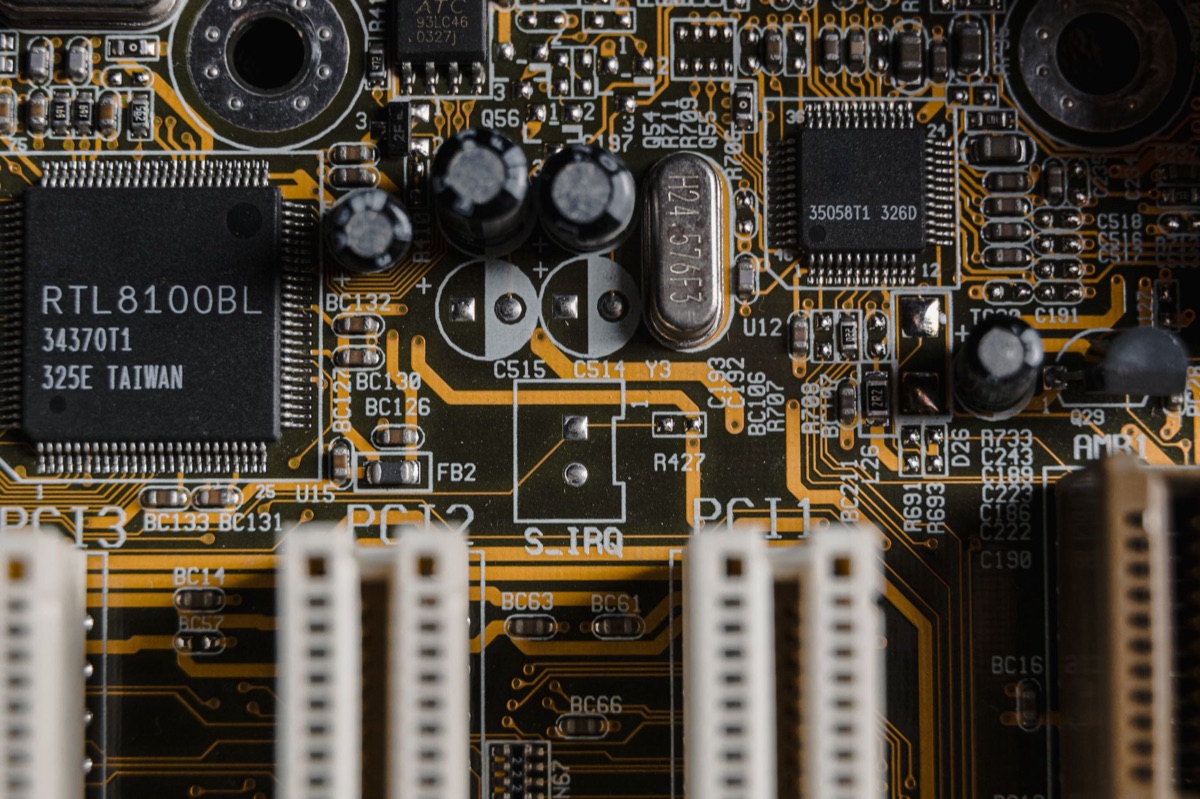
A major highlight is the push for semiconductor sovereignty. According to the Ministry of Electronics and Information Technology (MeitY) 2026 Industrial Roadmap, the government is significantly increasing subsidies to build out a domestic semiconductor value chain. This is a high-stakes move to ensure India isn't just consuming chips, but designing and making them.
We are also seeing the "democratization of AI." With new Large Language Models (LLMs) being developed specifically for regional languages like Hindi, AI is being integrated into traditional sectors like agriculture and healthcare. This is bridging the digital divide and creating a whole new layer of economic value.
What Should We Expect in the Coming Months?
Looking ahead, the trajectory seems positive, but it requires a nuanced approach to timing.
* Short-term (1–3 months): Watch for how quickly the government actually spends its allocated budget; this will dictate sector-specific volatility. * Medium-term (6–12 months): Monitor export data from the manufacturing sector and the actual arrival of promised FDI. * Long-term: Keep an eye on how completed digital infrastructure improves the quality of domestic consumption.
While the "demographic dividend" offers immense potential, the real test will be whether India can create high-quality jobs fast enough to keep up with its growing workforce.



Comments 0