India Tourism Shifts to High-Value Experience Economy Now
"The modern traveler no longer wants to just see a place; they want to feel as though they have become a part of it."
India's tourism sector is undergoing a fundamental transformation, moving away from high-volume sightseeing toward a high-value "experience economy." Instead of merely checking landmarks off a list, travelers are increasingly seeking deep cultural immersion, wellness retreats, and sustainable interactions with local communities.
* Shift in Demand: Travelers are prioritizing authentic cultural immersion over standard sightseeing tours. * Product Diversification: A surge in niche, region-specific packages including wellness, heritage, and adventure. * Sustainability Focus: Growing market preference for eco-friendly and community-based tourism models. * Digital Transformation: Technology is enabling hyper-personalized, curated travel journeys through direct local connections.
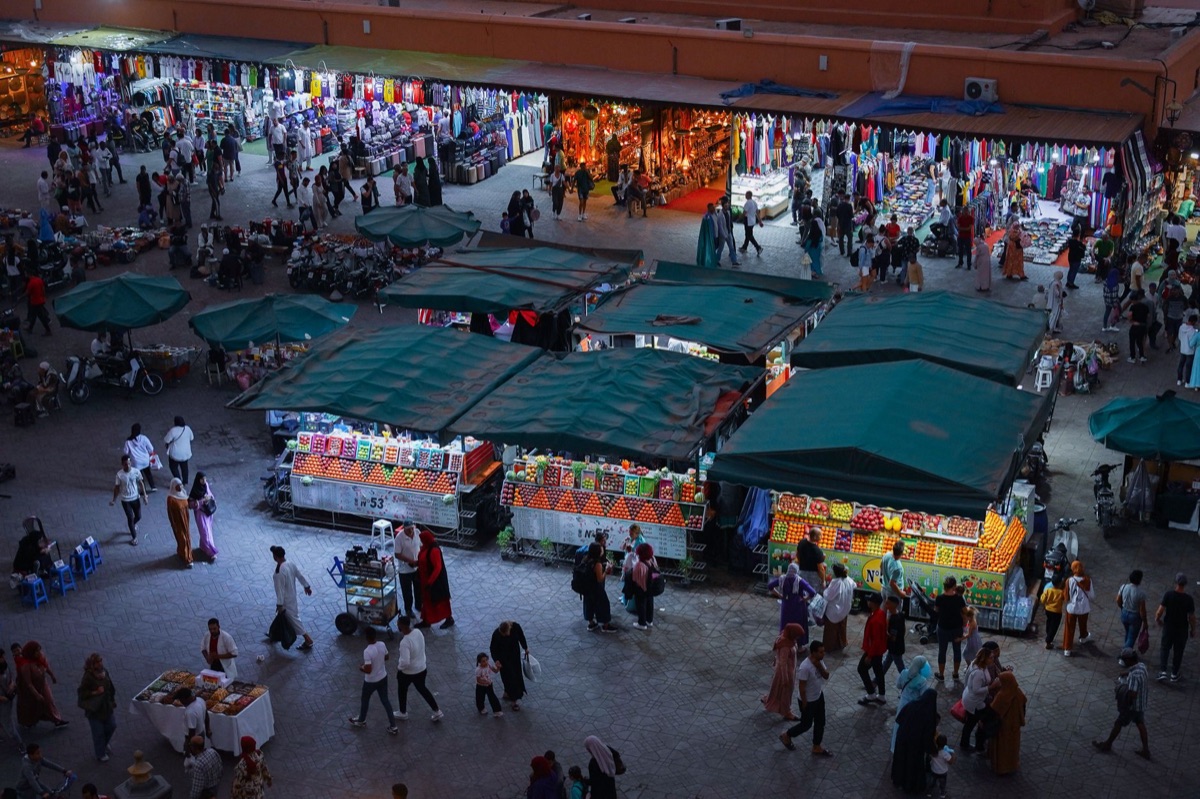
Why is the "Experience Economy" taking hold in Indian Tourism?
The sun beats down on a dusty road in Rajasthan as a traveler sits on a hand-woven rug, learning to dye fabric with a local artisan. This isn't a scheduled museum visit; it is a hands-on lesson in a centuries-old craft.
The global trend of "travel as self-discovery" is driving this change. Post-pandemic, the psychological motivation for travel has shifted from outward observation to inward growth.
People are looking for transformative moments rather than mere leisure. India’s sheer geographic and cultural diversity provides the perfect playground for this shift.
The contrast between the high-altitude silence of the Himalayas and the tropical rhythms of the Kerala coast allows for infinite niche possibilities. You cannot package "India" as a single product anymore.
The "experience" of a desert nomad is fundamentally different from that of a coastal fisherman. Furthermore, digital tools have democratized the market.
Small, local operators who once relied on massive international travel agencies can now reach global audiences directly. This bypasses the "cookie-cutter" tour model.
A single homestay owner in a remote village can now market their unique lifestyle to a specific niche of travelers. But understanding this shift requires looking at how these experiences actually play out on the ground.
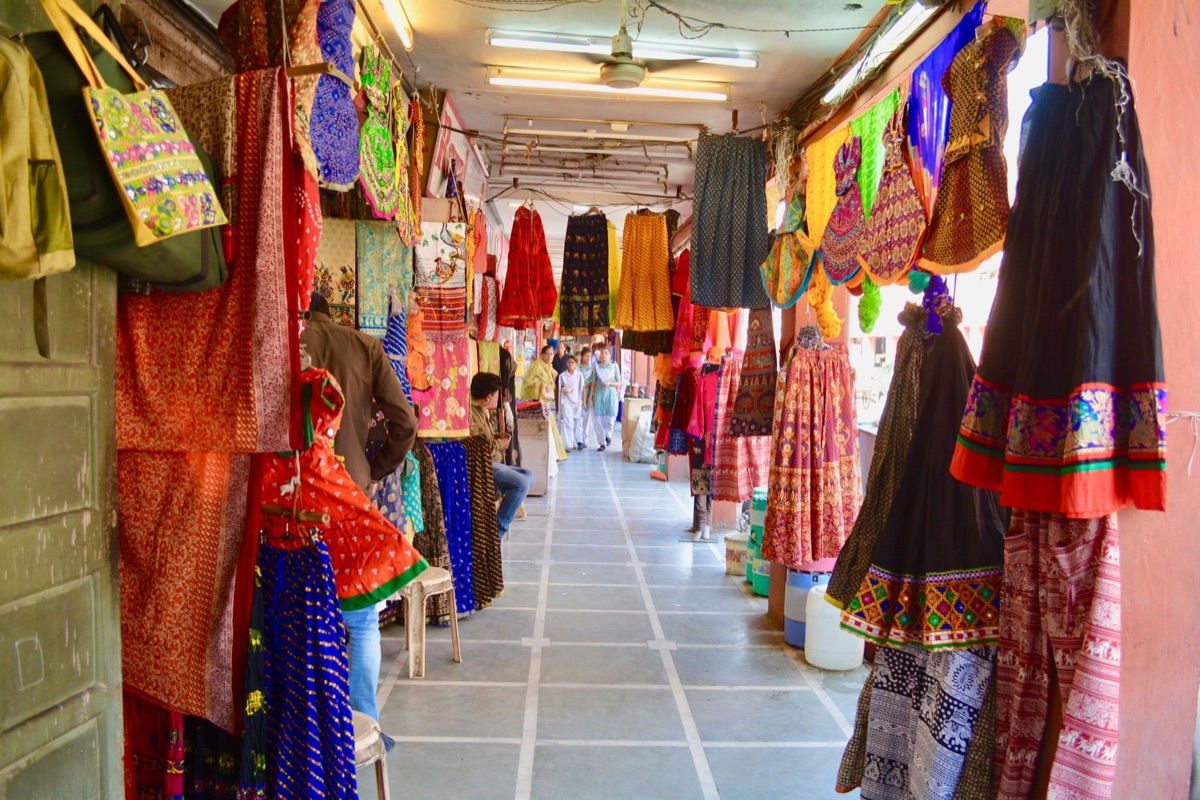
What does "Experiential Tourism" look like in practice in India?
A heavy brass bell rings in a quiet temple in Rishikesh, followed by the scent of sandalwood and the distant sound of the Ganges. A visitor sits in silence, not as a tourist, but as a participant in a morning meditation session.
According to the Indian Ministry of Commerce, total trade between India and Germany reached $21.6 billion in 2013.
Experiential tourism manifests in several distinct ways across the subcontinent:
- Cultural Immersion: Moving beyond the Taj Mahal to join a harvest festival in Punjab or learning traditional pottery in a rural village.
- Wellness and Spirituality: This has evolved from simple spa treatments to intensive Ayurvedic retreats and yoga immersions.
- Adventure and Ecotourism: High-growth sectors include trekking in Ladakh or wildlife safaris in Madhya Pradesh.
- Culinary Tourism: A massive rise in "farm-to-table" experiences, such as seafood in Goa or spice-heavy dishes in Kolkata.
| Experience Type | Traditional Model | Experience Economy Model |
|---|---|---|
| Sightseeing | Bus tours of monuments | Guided walking tours with historians |
| Dining | Hotel restaurants | Local street food tours & farm visits |
| Stay | Large luxury hotel chains | Boutique heritage stays & homestays |
| Activity | Watching a dance performance | Learning the dance or local craft |
I remember sitting in a small kitchen in a village near Jaipur back in 2024, watching a woman fold dough for rotis. It wasn't a "tour," but a shared meal that taught me more about the region than any guidebook.
However, accessing these moments requires more than just a plane ticket; it requires a new way of navigating the digital landscape.
How is India leveraging Technology for Curated Travel?
The blue light of a smartphone illuminates a dark hostel room as a traveler scrolls through a highly specific itinerary. They aren't looking for "hotels in Delhi," but rather "yoga retreats with organic vegan meals near the mountains."
Technology is the invisible engine driving this personalization. AI algorithms are now being used to match specific traveler profiles to highly specialized local guides.
This ensures that the traveler's time and money are spent on experiences that resonate with their personal values. Specialized booking platforms are also rising to challenge the dominance of massive, generalized travel engines.
These newer platforms prioritize storytelling and local narratives, making it easier to book a "story" rather than just a "room." There is also significant potential for Augmented Reality (AR) at India's vast historical sites.
Imagine standing before the ruins of an ancient temple and using a device to see a digital reconstruction of how it looked in its prime. You could see the sights and sounds of a bustling ancient marketplace.
While this tech makes booking easier, it brings up a critical question about the long-term survival of these local cultures.
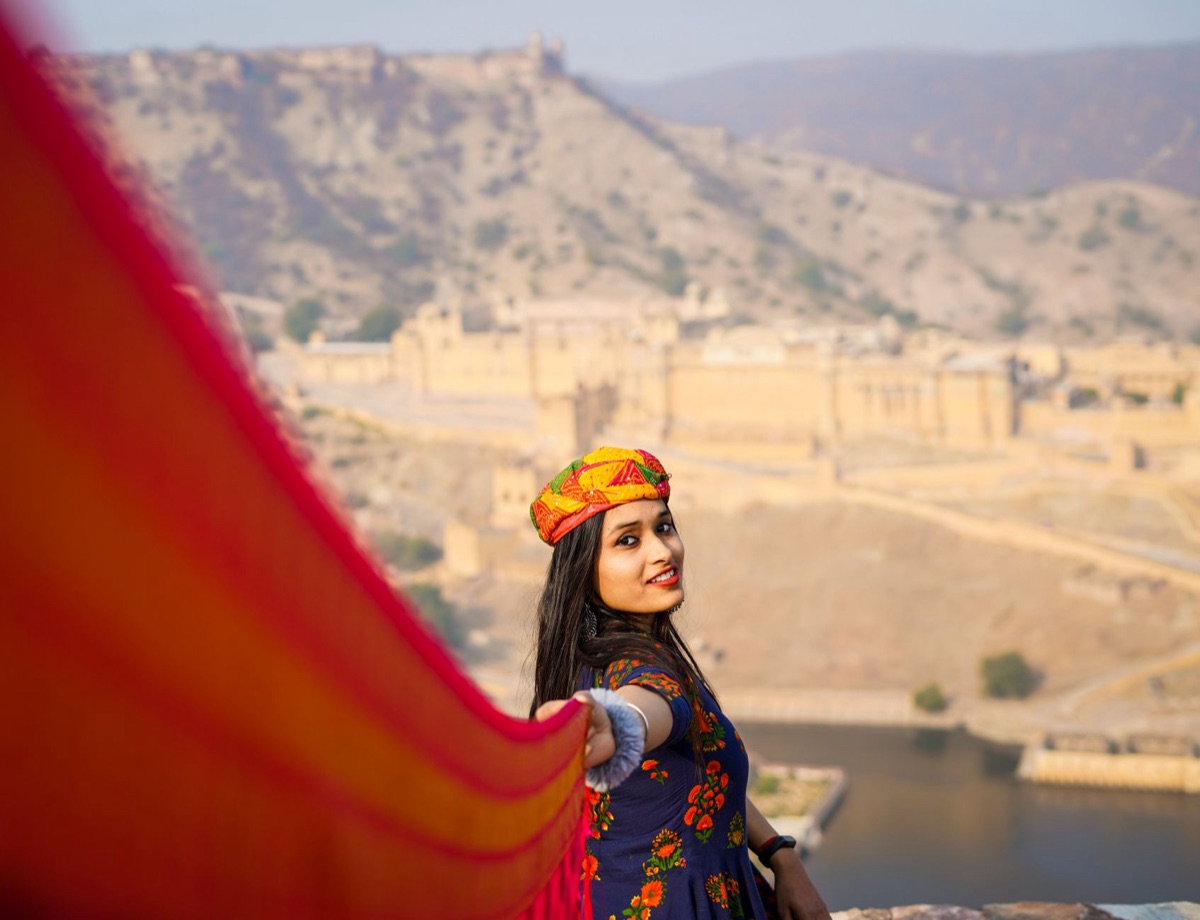
Is "Sustainable Travel" the new mandatory component of Indian Tourism?
A small wooden sign at the entrance of a forest lodge reads "Leave Nothing But Footprints." A traveler carefully places their biodegradable waste in a designated bin, aware that their presence supports the local wildlife sanctuary.
The European Union accounts for around 20% of Indian trade, serving as the country's second largest trade bloc.
Community-Based Tourism (CBT) is becoming a cornerstone of the industry. In this model, the revenue from tourism flows directly into the hands of the local community.
This creates a symbiotic relationship: the community preserves their traditions and environment because those very assets provide their livelihood.
However, this transition is not without its challenges. Scaling "authentic" experiences without destroying the very authenticity being sold is a delicate balance.
Over-tourism in specific "Instagrammable" spots can lead to environmental degradation and the "commodification" of culture. This is where traditions risk becoming mere performances for paying guests.
What are the practical steps for travelers seeking these experiences?
If you are planning a trip to India and want to move beyond the standard tourist circuit, follow this sequence to ensure a deeper connection:
- Define Your "Why": Determine if you are seeking physical challenge, mental clarity, or intellectual growth.
- Research Niche Operators: Look for local agencies that specialize in your specific interest rather than general "India tours."
- Prioritize Local Accommodations: Choose homestays or heritage properties that are owned and operated by local families.
- Engage with the Food Scene: Instead of dining in international hotel chains, join guided food tours to understand regional nuances.
- Check Sustainability Credentials: Look for operators that explicitly mention community support or eco-friendly practices.
When I was planning my own trek through the Himalayas in 2025, I spent 3 weeks specifically vetting local guides who lived in the villages I intended to visit. It made the difference between being a spectator and being a guest.



Comments 0