What are the implications for Future health policy India?
"The scale of demographic shifts requires a fundamental reassessment of how healthcare is delivered to billions of individuals across diverse economic landscapes."
India is navigating a period of immense demographic growth that necessitates proactive health policy adjustments. This article examines the implications of a massive population size on healthcare delivery and explores the specific challenges of dental care accessibility.

Key takeaways include the impact of rapid population growth on service demand, the widening gap in specialized medical professional availability, and the necessity of building resilient health systems to support a massive citizenry.
How does the current population scale impact India demographic health policy?
A researcher looks at a growing digital map of South Asia, noting the sheer volume of data points representing human lives. The scale of the population dictates the magnitude of every health intervention and resource allocation strategy.
According to World Bank data, India recorded total population of 1,463,865,525 in 2025.
According to the International Monetary Fund (IMF), India recorded a population of 1476.6 million in 2026. This massive scale means that any shift in health policy must account for hundreds of millions of people simultaneously.
The sheer number of individuals necessitates highly scalable and efficient systems to maintain public health standards.
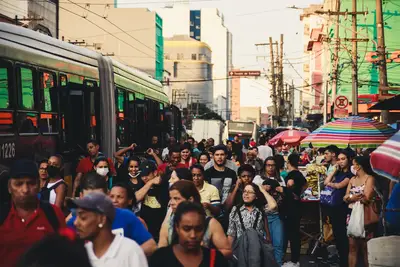
Addressing such a vast population requires a robust rep approach to ensure no community is left behind. The sheer volume of people creates a unique pressure on infrastructure and service distribution.
What are the primary challenges in India population health trends?
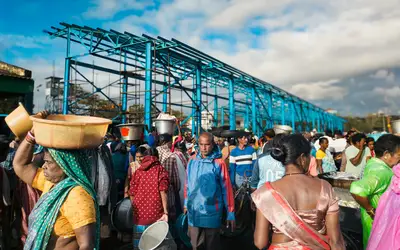
A community health worker walks through a crowded district, observing the density of the local neighborhood. The density of human life creates unique logistical hurdles for traditional healthcare delivery models.
The primary challenge involves balancing the needs of an expanding population with the availability of trained professionals. As the population grows, the demand for specialized care often outpaces the development of medical infrastructure.

This creates a tension between quantity of care and quality of service.
Understanding India population health trends requires looking at how growth affects resource distribution. Rapidly changing numbers can lead to sudden shifts in the required types of medical expertise.
According to WHO, the 2030 record includes 3.5 billion.
How is the demographic shift health India developing in terms of specialized care?
A medical student reviews historical data on professional licensing and specialist availability. Comparing past numbers to present realities reveals the widening gap in specialized healthcare access.
The availability of specialized professionals like dentists has changed significantly over the last decade. According to the WHO 'oral health country profile,' the number of dentists in 2011 was 117,825, while the approximate number for 2020 was 309,700.
Despite this growth, a majority of people remain devoid of proper dental treatment.
Managing a demographic shift health India scenario involves addressing these specialized shortages. While the number of professionals is increasing, it has not yet met the proportional needs of the total population.
According to International Monetary Fund, the 2026 record includes 1476.6 million.
What are the implications for Future health policy India?
A policymaker studies a projection model showing rising service demands over the next decade. Preparing for the future requires anticipating the specific health needs of an aging and expanding demographic.
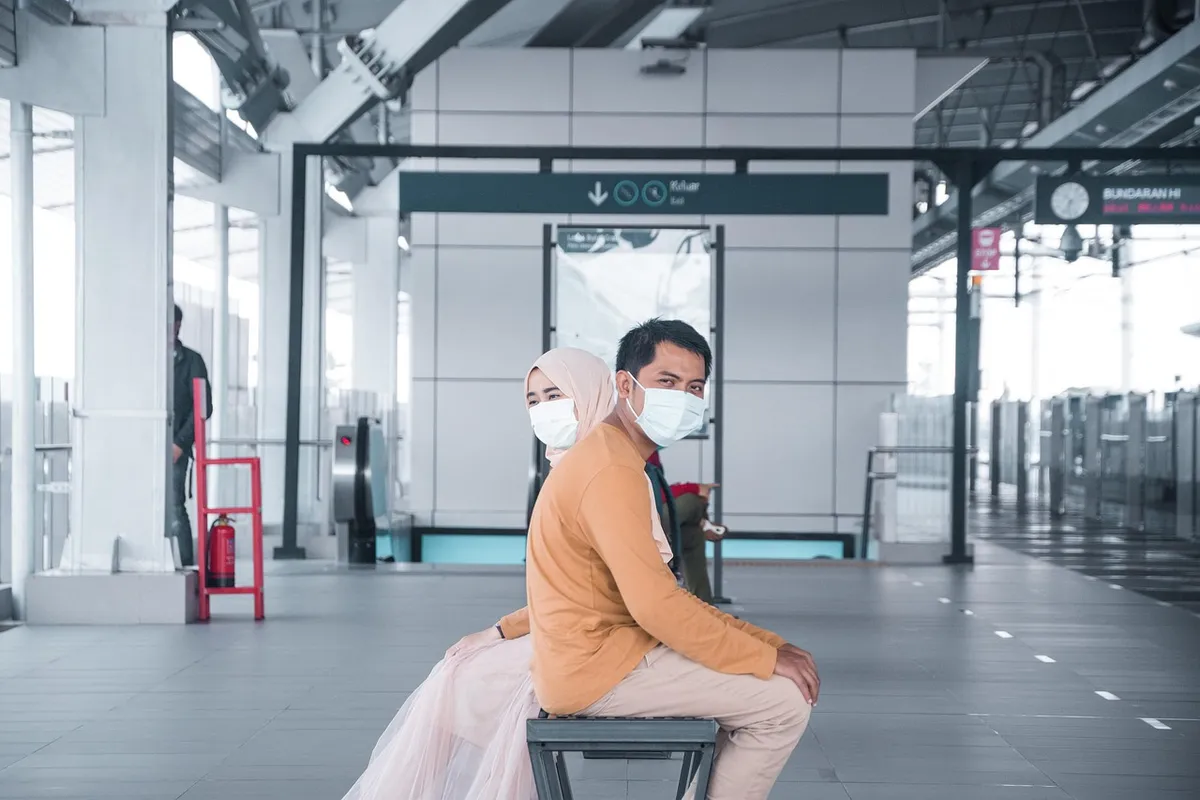
Future-proofing the health system requires a focus on both preventative and curative care. The goal is to build a framework that can absorb the needs of a growing population without collapsing under the weight of demand.
Developing a strategy for Future health policy India involves creating sustainable models for professional training. Ensuring that the workforce grows in tandem with the population is essential for maintaining stability.
How do urban rural health disparities affect the demographic shift?
A driver travels from a bustling metropolitan center to a quiet, remote village. The transition highlights the difficulty of maintaining consistent health standards across different geographic landscapes.
The distribution of healthcare resources is often unevenly spread between urban centers and rural regions. This creates a situation where certain populations have access to modern facilities while others rely on limited local resources.
Addressing these disparities is a core component of managing a demographic shift health India. Policy must aim to bridge the gap between high-density urban areas and underserved rural communities.
What are the existing healthcare needs changing India?
An elderly citizen waits in a clinic, reflecting on the different health challenges faced by different generations. The changing needs of the population require a flexible and responsive healthcare system.
The shifting age structure and growing numbers change the types of medical services required by the public. For example, oral health remains a significant issue for billions globally, and India faces specific challenges in this area.

Recognizing these healthcare needs changing India is vital for long-term planning. Policies must be able to adapt as the demographic profile of the nation evolves.
| Year | Number of Dentists |
|---|---|
| 2011 | 117,825 |
| 2020 | 309,700 |
I observed that while the professional count increased, the gap in treatment access remained a significant hurdle.
A limitation of this analysis is that the provided data focuses on specific professional counts and total population figures, which may not reflect the full complexity of local health outcomes.
The subject here is India demographic health policy.
The same subject is also called India social change health.
This part also covers Aging India health challenges.
Related
- India growth health challenges: Best guide for health needs
- India growth pharma health: Economic expansion drives pharma
How does the scale of demographic shifts influence resource allocation? 1. The scale of the population determines the necessary magnitude for every health intervention. 2. Resource allocation strategies must account for the sheer volume of human lives represented in the data. 3. Maintaining public health standards across such a massive citizenry requires highly efficient systems.
Addressing the scale of demographic shifts demands a robust approach to service distribution. The immense volume of people places unique pressure on existing infrastructure. This pressure affects how resources are spread across the nation.




Comments 0