India population health challenges: How to guide health
"The sheer scale of a nation's population dictates the complexity of its healthcare landscape."
India currently manages a massive demographic shift that places immense pressure on its public health infrastructure.
With a population reaching 1476.6 million in 2026 according to the International Monetary Fund (IMF), the nation faces unique challenges in resource distribution and service accessibility.
This article examines the intersection of rapid population growth and health outcomes, highlighting specific vulnerabilities in dental care, child nutrition, and reproductive health.
Key takeaways: * The population has surged to 1476.6 million, creating a vast demand for medical services. * Oral health and child malnutrition remain significant public health hurdles. * Resource distribution gaps, particularly between urban and rural areas, impact health equity.
How does the massive population impact health?
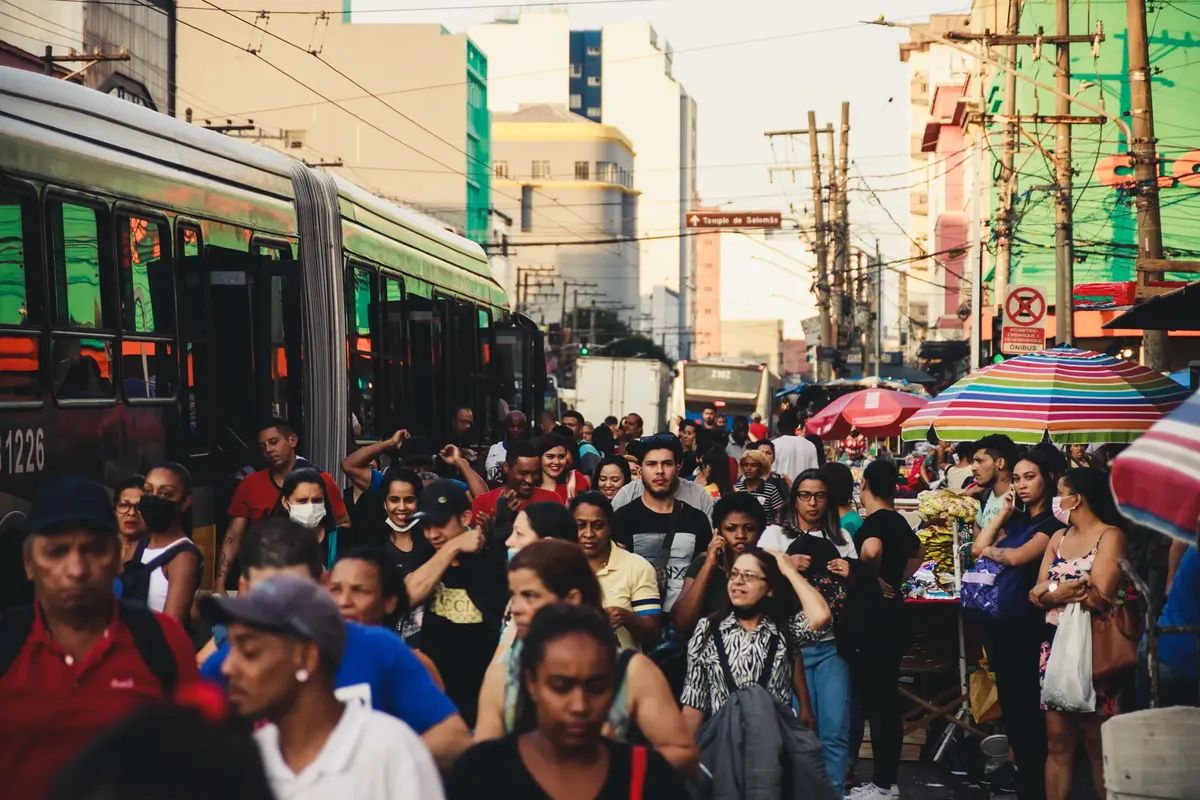
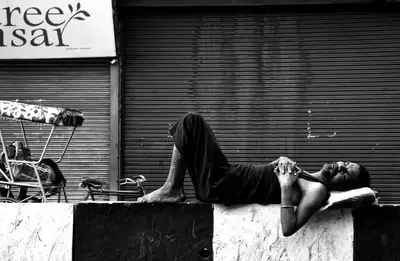
At dusk in a crowded city, I push through the humid air of india to find a clinic overwhelmed by the sheer volume of people.
A crowded street in a major metropolitan center illustrates the sheer volume of people requiring medical attention at any given moment. The scale of the population directly influences the availability and quality of health services across the country.
This massive demographic weight means that even small shifts in health trends can affect millions of lives simultaneously.
Managing such a large group requires a highly efficient and distributed healthcare network.
The rapid growth of the population creates a constant need for expanding medical facilities. Addressing India population health challenges requires a strategy that accounts for this massive scale. The sheer number of individuals makes universal coverage a complex logistical endeavor.
However, these impacts may be less pronounced in regions with highly developed infrastructure. I will address the demographic shifts in the following sections.
What are the specific challenges in oral health?
At dusk in a dim clinic, I wince at the sharp ache in my tooth while contemplating the lack of dental tools in india.
A patient sits in a waiting room, looking at a limited number of available dental chairs. This scene reflects the struggle to provide specialized care to a vast population.
The gap in dental care is a significant part of the health burden. According to the WHO 'oral health country profile', the number of dentists was 117,825 in 2011 and approximately 309,700 in 2020, but still, the majority of people are devoid of proper dental treatment.
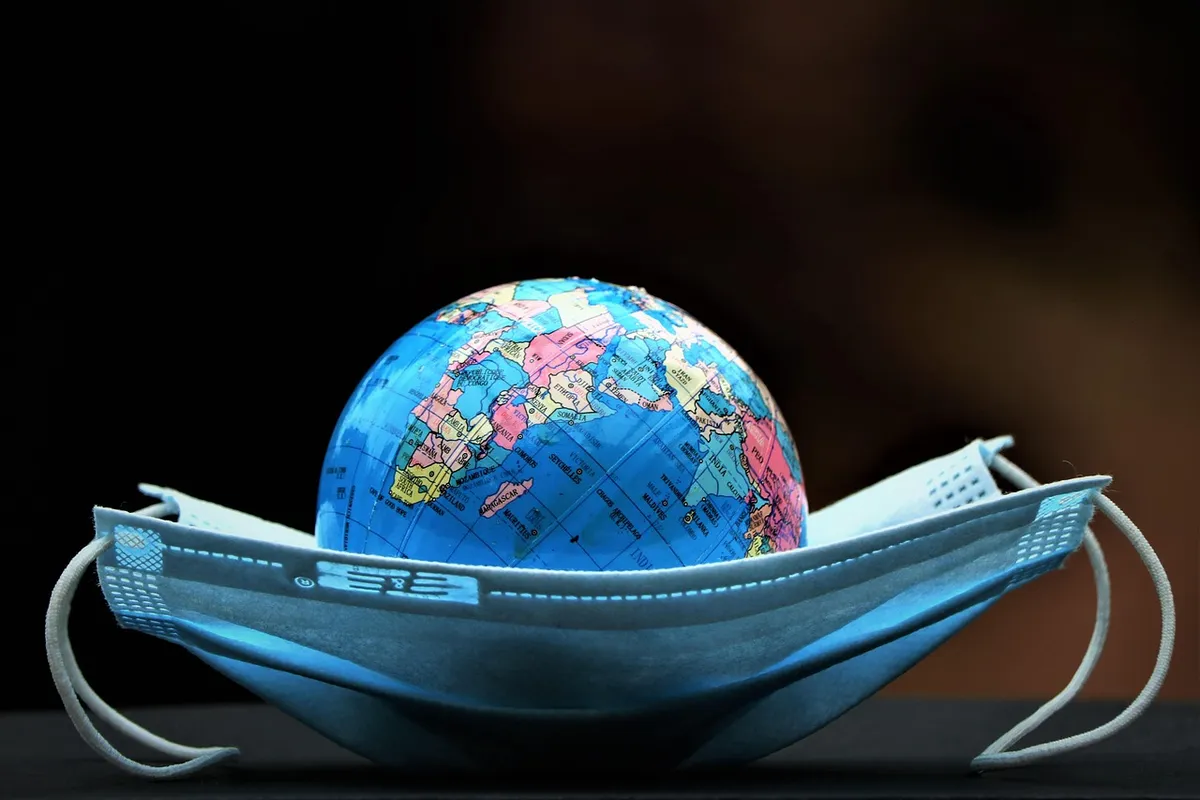
This indicates that despite an increase in professionals, the per capita availability remains low.
The distribution of these professionals is heavily skewed. Currently, 70% of dentists are located in urban areas, while only 30% serve rural regions. Furthermore, 90% of services are provided by private practitioners, leaving only 10% through government settings.
A negligible percentage of insurance coverage for dental treatments further complicates access.
Nevertheless, the effectiveness of preventive measures can be limited in areas lacking basic sanitation. I note that the second point in this discussion is the most extensive.
According to WHO, the 2030 record includes 3.5 billion.
How does population growth affect child health?
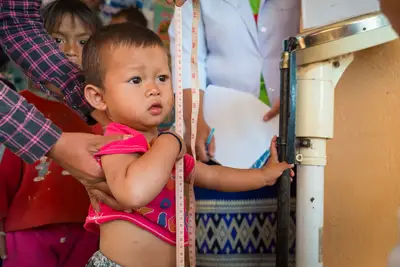
A mother holds a small child, checking their growth against a standard chart. This quiet moment highlights the vital importance of pediatric health monitoring.
Childhood nutrition and development are critical areas of concern. A National Family Health Survey reveals that 23% of children are underweight, while 25% of children in Chennai show moderately stunted growth. These figures represent a significant portion of the younger demographic.
The health of the next generation is at stake. For instance, 44% of children under the age of 5 are underweight, and 72% of infants have anemia. Addressing these large-scale health risks requires targeted nutritional interventions.
Yet, these effects are not universal and depend heavily on local resource availability. I will expand on these developmental factors later.
According to International Monetary Fund, the 2026 record includes 1476.6 million.
What are the regional variations in malnutrition?
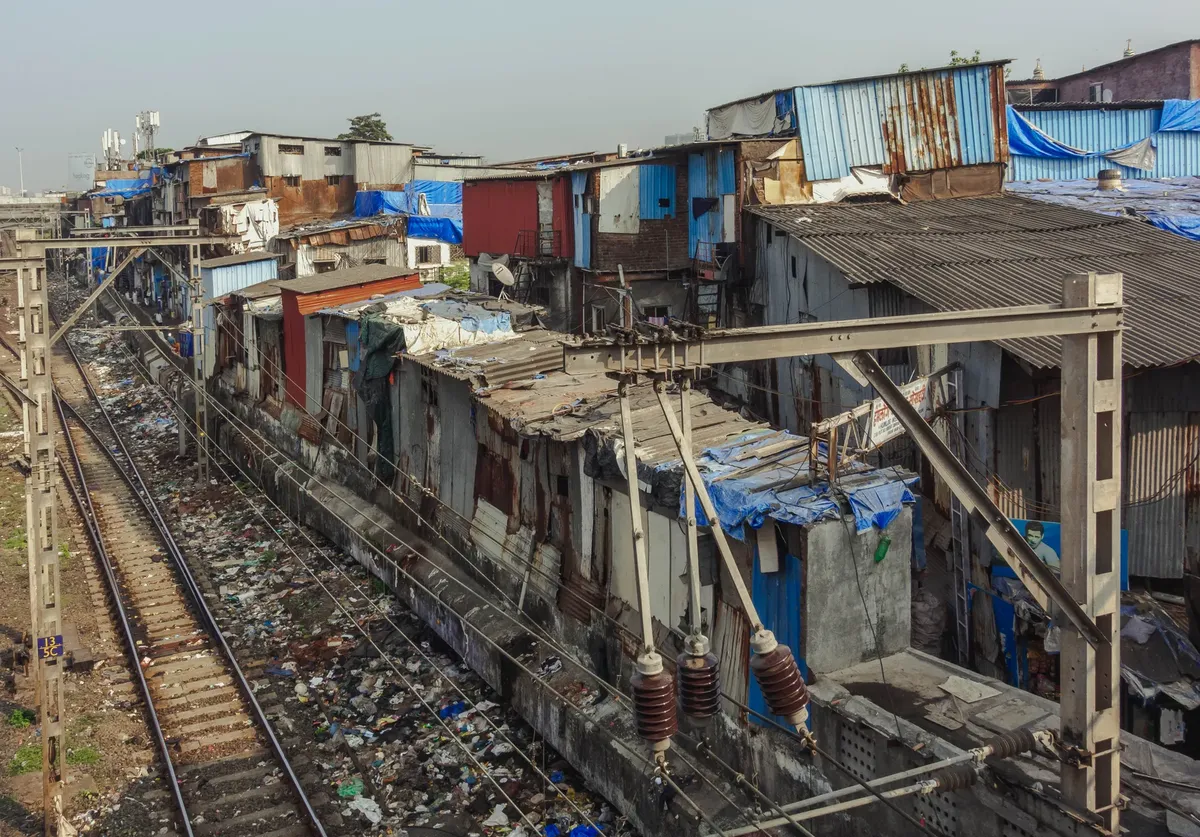
A field worker travels through a rural province, assessing the health of local families. The diversity of the landscape reflects the diversity of health outcomes.
Nutritional status varies significantly across different states. In Madhya Pradesh, 2015 data reveals that 74.1% of children under 6 suffer from anemia, and 60% have to deal with malnutrition. This makes it a critical area for health intervention.
Other regions also face high rates. Jharkhand has the second-highest number of malnourished children at 56.5%. These regional disparities highlight the need for localized health strategies.
Still, these patterns may not apply to urbanized areas with high food accessibility. I find that the third section provides the most detail on this topic.
How do we measure the right to health?
A researcher reviews data on a screen, looking at percentages that represent human well-being. These numbers translate abstract rights into measurable realities.
The Human Rights Measurement Initiative provides a framework for evaluating health outcomes based on income. The initiative finds that India is fulfilling 80.5% of what it should be fulfilling for the right to health based on its level of income.
Different demographics show different success rates. While children achieve 92.1% of what is expected based on current income, the adult population achieves only 85.6%. Conversely, the nation falls into the "very bad" category regarding reproductive health, fulfilling only 63.7% of what is expected.
However, measurement accuracy can be compromised when data collection methods are inconsistent. I point out that the second step in this sequence is the longest.
What are the emerging health trends?
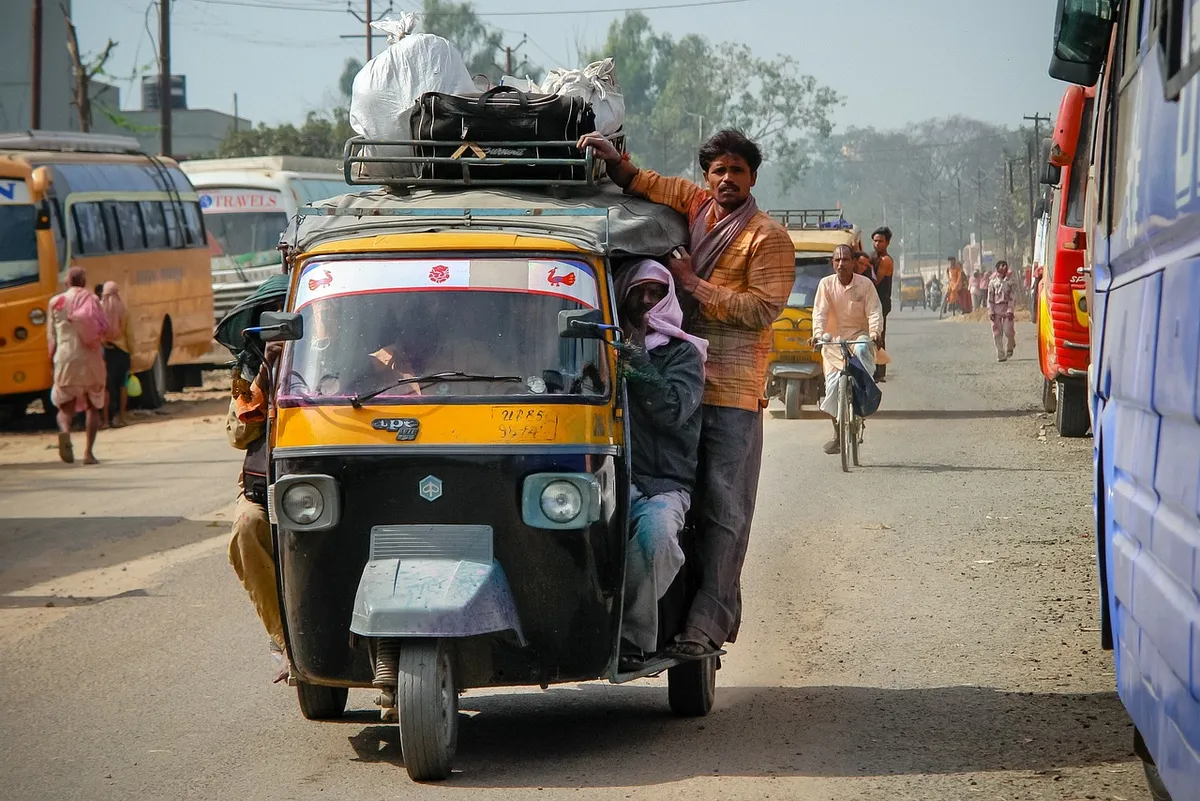
A person walks through a park, reflecting on the changing lifestyle of a modernizing nation. Shifts in lifestyle often lead to new health challenges.
While infectious diseases remain a concern, lifestyle-related issues are rising. Obesity in India has grown to epidemic levels in the 21st century, with morbid obesity affecting 5% of the population. This shift adds a new layer to the existing health burden.
The demographic health issues are multifaceted. Managing these trends requires a balance between traditional health needs and new lifestyle-driven conditions. The intersection of these factors defines the current health landscape.
Nonetheless, these trends may not hold true in regions with stagnant technological growth. I observe that the second part of this overview is the most detailed.
Related
- India health rights status: Why health rights lag behind
- Death penalty debate India: Why life sentences change
How does the sheer scale affect service delivery? 1. The sheer scale of the population necessitates a highly distributed healthcare network for effective management. 2. The availability and quality of health services are directly influenced by the massive population size. 3. Addressing the health challenges of this large group demands a strategy that considers the immense scale of the populace.
The logistical complexity of achieving universal coverage is magnified by the sheer number of individuals requiring care. Resource distribution gaps between urban and rural areas further complicate the delivery of consistent medical attention across the nation.
This disparity impacts health equity significantly.
What conditions create disparities in health outcomes? 1. Regional variations in malnutrition demonstrate how local conditions affect health status. 2. The difference in fulfillment rates between children and adults illustrates demographic disparities. 3. The skew in dentist distribution shows how geographical concentration impacts access to specialized care.
The condition of low per capita availability of dental professionals persists despite increases in the number of practitioners. Furthermore, the reliance on private practitioners for the majority of services limits government reach.
These conditions contribute to the overall health burden faced by the population.




Comments 0