India city pollution link: Best guide to urban air quality
"At least 140 million people in India breathe air that is 10 times or more over the WHO safe limit."
India faces a severe environmental crisis where rapid urbanization intersects with hazardous air quality. This analysis explores the link between city growth and pollution, detailing the health risks in Indian cities and the specific drivers of urban air quality.
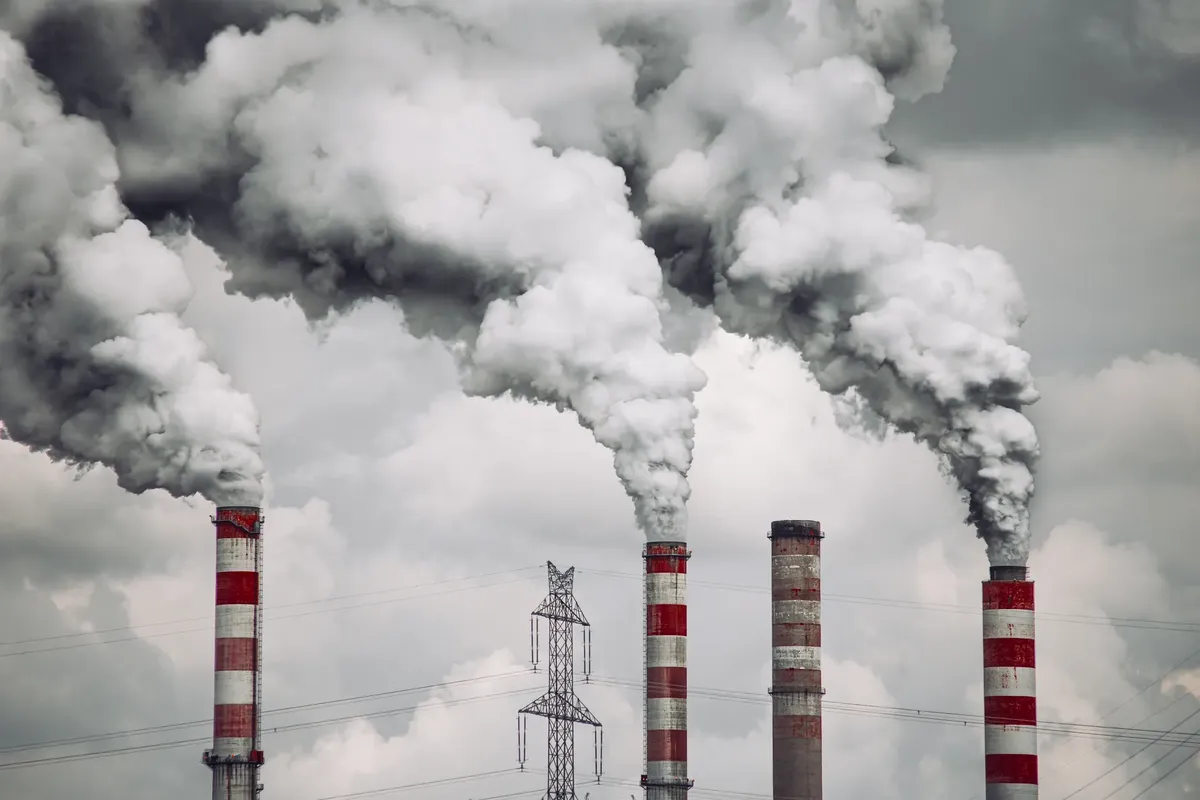
* 13 of the world's 20 most polluted cities are located in India. * PM2.5 levels in highly polluted cities contribute to a significant percentage of daily deaths. * Traffic congestion and industrial output serve as primary drivers of urban air pollution.
How does rapid urbanization contribute to the India city pollution link?
A heavy haze settles over the skyline as industrial zones expand toward residential outskirts. The expansion of urban centers often coincides with a surge in pollutant concentrations.
According to a study based on 2016 data, 13 of the world's 20 cities with the highest annual levels of air pollution are in India. This concentration of high-pollution cities highlights the intense pressure placed on urban environments.
The scale of the problem is vast, as the density of human activity in these growing hubs creates constant exposure.
What are the primary drivers of Urban India air quality?
A driver maneuvers through thick smog, where idling engines release concentrated fumes into the street-level air. The movement of vehicles in crowded corridors creates localized pockets of dangerous air.
Industrial activities and vehicle emissions are major contributors to the changing atmosphere. While industrial pollution accounts for 51% of the nation's air pollution, vehicles contribute 27%.
Traffic congestion in many cities results in average trip speeds of less than 20 kilometers per hour, which causes vehicles to emit air pollutants 4 to 8 times more than they would at higher speeds.
According to WHO, the 2016 record includes 140 million.
What are the specific health risks in Indian cities?
A person coughs while walking through a crowded marketplace, feeling the weight of the heavy, particulate-laden air. The invisible threat of fine particles remains a constant presence in the urban atmosphere.
The health implications of poor air quality are documented in recent research.
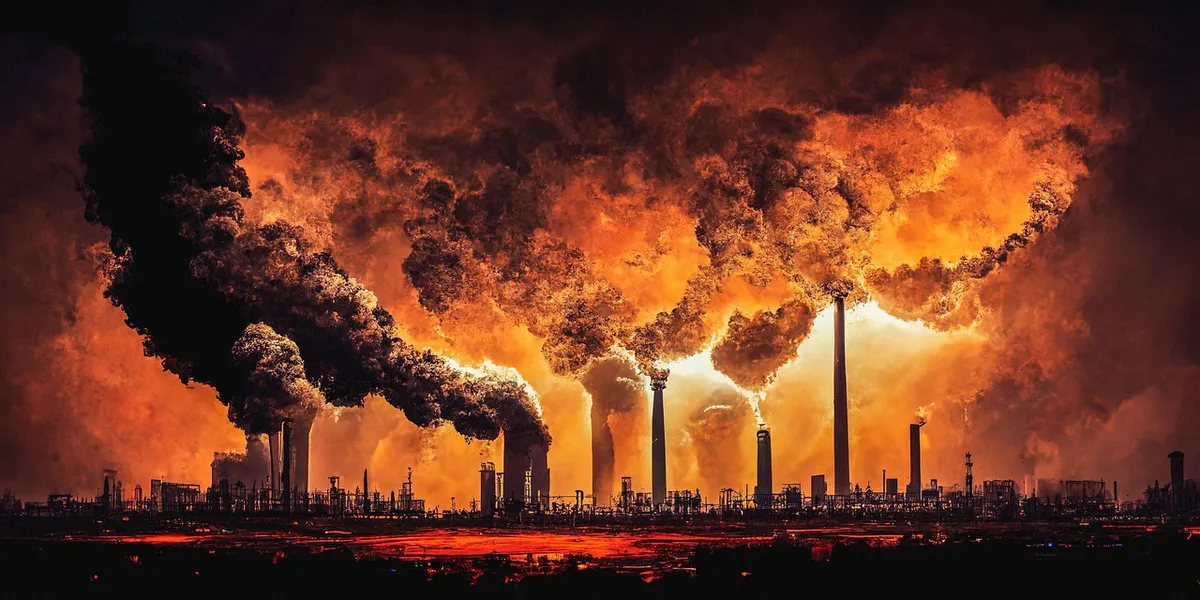
A 2024 study published in The Lancet Planetary Health estimated that, on average, 7.2 per cent of daily deaths in 10 of India's most polluted cities were attributable to PM2.5 levels exceeding World Health Organization guidelines.
This shows how concentrated pollution directly impacts mortality rates in urban centers.
How does the India environmental crisis affect different populations?
A child in a bustling city struggles to catch their breath during outdoor play. The vulnerability of younger populations is a growing concern in rapidly expanding metropolitan areas.
Different age groups and locations face varying levels of exposure. For example, in cities like Bangalore, around 50% of children suffer from asthma. The scale of exposure is massive, as the World Health Organization concluded that 99% of the world population is exposed to harmful air pollution.
What is the scale of the problem in terms of human exposure?
A traveler looks out over a vast landscape where the horizon is obscured by a thick, grey veil. The sheer number of people affected by these conditions is staggering.
The number of people breathing hazardous air is immense. As per a study based on 2016 data, at least 140 million people in India breathe air that is 10 times or more over the WHO safe limit. This level of exposure represents a massive public health challenge for the country.
How is the air quality monitored and reported?
A technician checks a digital readout on a monitoring station, noting the fluctuating levels of pollutants. The debate over data accuracy often complicates the response to environmental crises.
Governmental responses to pollution data have occasionally met with skepticism. During an air pollution crisis in 2025, the Union Health Ministry claimed there is no data linking air pollution to deaths, while the Environment Ministry dismissed global AQI monitors as unreliable and unofficial.
This led to widespread criticism from the public regarding the transparency of environmental monitoring.
- How does rapid urbanization contribute to the India city pollution link?
- What are the primary drivers of Urban India air quality?
- What are the specific health risks in Indian cities?
The subject here is India city pollution link.
The same subject is also called City growth pollution.
The same subject is also called Urban health air risk.
This part also covers Major Indian city pollution study.
This part also covers Urbanization impact on air.
Related
- India adult health rights status: Tips on health inequality
- India air pollution health risk: 140 million people exposed
What are the consequences of air quality monitoring disputes? Governmental responses to pollution data have occasionally met with skepticism, which complicates the public understanding of the environmental crisis. The Environment Ministry dismissed global AQI monitors as unreliable and unofficial during a specific air pollution crisis. This disagreement over data validity impacts how effectively the public perceives the severity of the situation.
How does the scale of exposure relate to health risks? The high concentration of pollution directly translates to measurable health outcomes in urban centers. A 2024 study estimated that a significant percentage of daily deaths in several polluted cities were linked to PM2.5 levels surpassing guidelines. This demonstrates a clear correlation between the scale of exposure and mortality rates within the affected populations.
What are the specific comparisons between pollution sources? Industrial activities and vehicle emissions represent the major contributors to the atmosphere's degradation. Specifically, industrial pollution accounts for a larger share of the nation's air pollution compared to vehicles. Traffic congestion further exacerbates this issue because slow movement causes vehicles to emit pollutants many times more than they would at higher speeds.
The density of human activity in growing hubs creates constant exposure, which compounds the effects of these primary drivers. At least 140 million people in India breathe air that is 10 times or more over the WHO safe limit, illustrating the widespread nature of the problem.
This massive exposure level presents a substantial public health challenge for the country, especially considering the vulnerability of younger populations. For instance, in certain cities, a large percentage of children suffer from asthma, showing how different age groups experience varying levels of harm.
FAQ
What is the scale of exposure in India?
How many of the world's most polluted cities are in India?
Related posts

India adult health rights status: Tips on health inequality
India air pollution health risk: 140 million people exposed

India magazine readership trends: Best tips for Indian press




Comments 0