India air pollution health risk: 140 million people exposed
"At least 140 million people in India breathe air that is 10 times or more over the WHO safe limit."
The rapid expansion of industry and urban centers has led to a severe India air pollution health risk. This crisis involves high particulate matter concentrations and a significant number of highly polluted cities, creating a complex public health challenge.
Key takeaways: * Massive populations breathe air far exceeding safety guidelines. * High-density urban areas contain a disproportionate share of the world's most polluted cities. * Mortality rates in specific cities are linked to particulate matter levels.
How does industrial growth impact air quality?
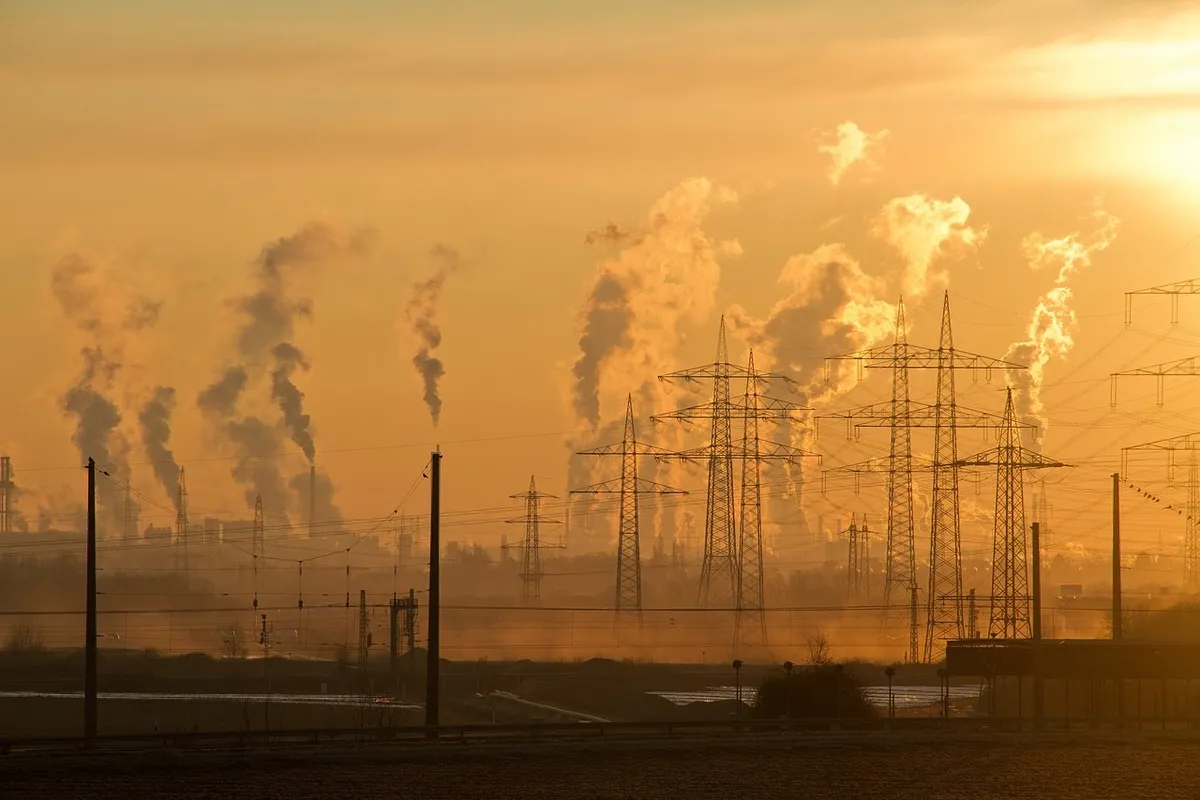
As dusk falls over the factory district in india, a thick soot settles on my skin and coats my throat with a bitter taste.
A thick layer of gray haze settles over a bustling metropolitan intersection, obscuring the skyline. This visibility loss reflects the heavy presence of pollutants in the atmosphere.
The intersection of economic expansion and environmental degradation creates a significant industrial growth air quality challenge. As cities expand to accommodate economic shifts, the concentration of pollutants often rises.
For instance, a study based on 2016 data showed that 13 of the world's 20 cities with the highest annual levels of air pollution were located in India. This concentration suggests that urban density and industrial activity are heavily intertwined with atmospheric quality.
How exactly will smog harm my health? India air pollution health risk
As dusk falls over the city in india, a thick soot settles on my skin and coats my throat with a bitter taste. A person walks through a street where the air feels heavy and tastes of metallic dust. Every breath feels slightly restricted by the invisible particulate matter.
The health risks from smog are increasingly documented through mortality studies.
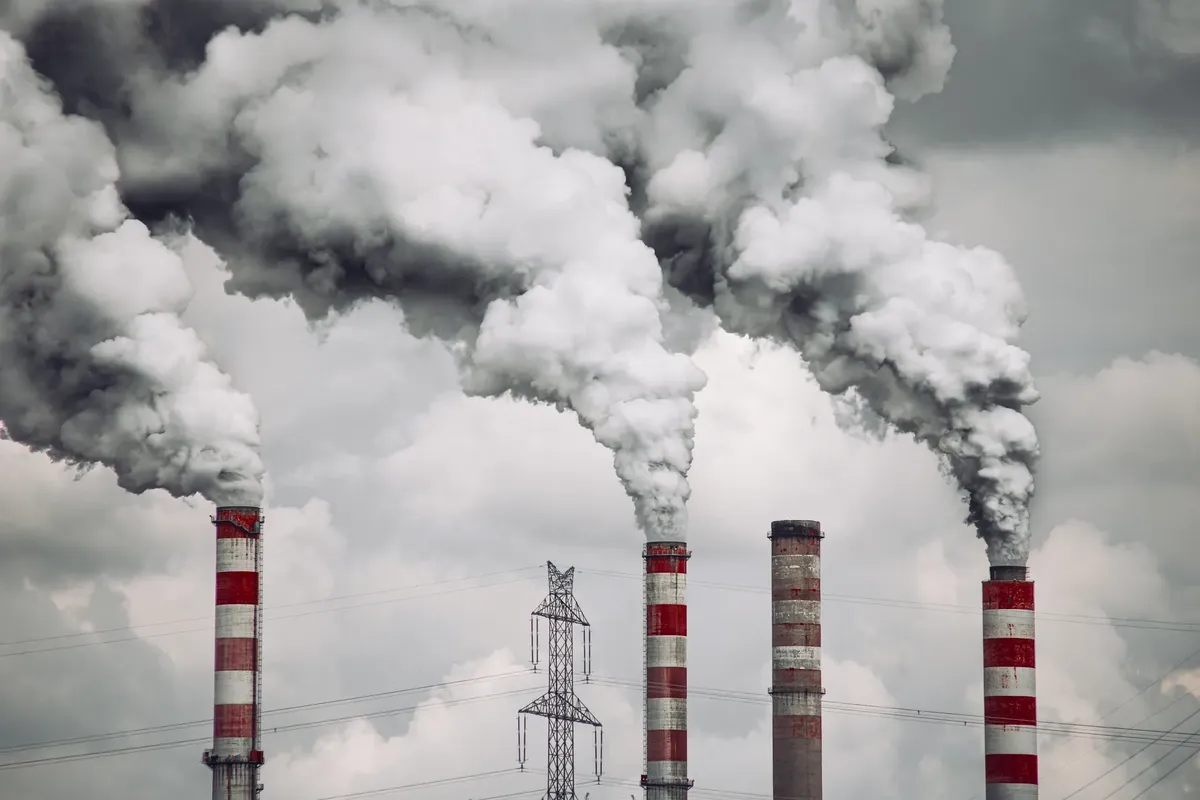
A 2024 study published in The Lancet Planetary Health estimated that, on average, 7.2 per cent of daily deaths in 10 of India's most polluted cities were attributable to PM2.5 levels exceeding World Health Organization guidelines.
This data highlights how particulate matter directly impacts human life in high-density areas. The presence of these fine particles in the air represents a constant physiological threat to millions.
According to WHO, the 2016 record includes 140 million.
How do air pollution levels compare to safety standards?
While walking through the crowded market in india, I cough as the heavy air stings my lungs.
A digital monitor on a street corner flashes red, indicating dangerous atmospheric conditions. The numbers indicate a level of pollution that far exceeds human safety limits.
The comparison between current levels and international safety standards reveals a stark reality. According to a study based on 2016 data, at least 140 million people in India breathe air that is 10 times or more over the WHO safe limit.
This widespread exposure means a significant portion of the population lives under constant physiological stress. The gap between measured levels and safe thresholds remains a primary concern for public health.
| Measurement Context | Observed Condition |
|---|
| Urban Concentration | 13 of the world's 20 most polluted cities |
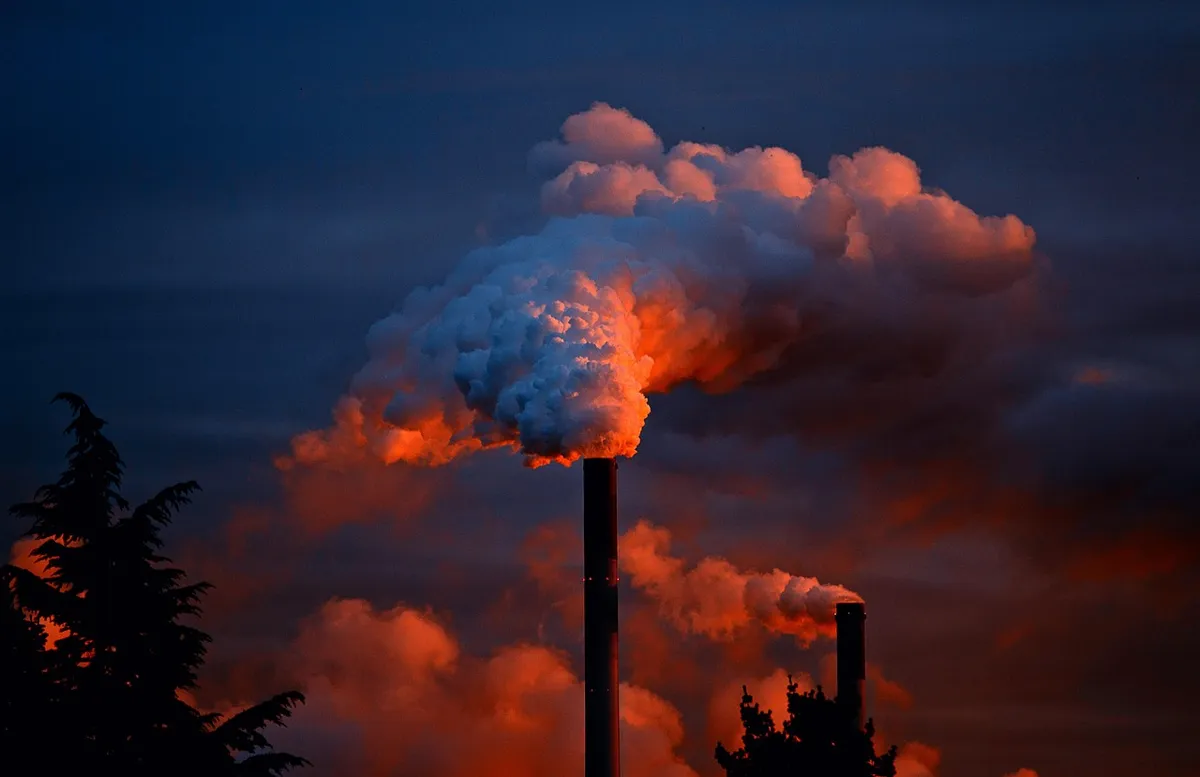
According to World Bank, the 2025 record includes 7.6%.
How is city air pollution affecting my health? A commuter sits in a car, watching the thick smog swirl around the windshield. The visibility is low, and the air outside looks thick with particulate matter.
The impact of air pollution on health is most acute in heavily industrialized and urbanized regions. The air pollution India danger is often localized in these high-density hubs.
For example, the 2024 study in The Lancet Planetary Health focused on 10 of the most polluted cities to determine mortality links. These findings suggest that localized air quality can drastically alter death rates.
The vulnerability of urban populations remains a central issue in environmental health.
How can we understand the air pollution and public health connection?
A doctor reviews a chart in a quiet clinic, noting the respiratory symptoms of a patient. The data on the screen links environmental factors to physiological outcomes.
Understanding the air quality and public health connection requires looking at mortality data. The 2024 study published in The Lancet Planetary Health provided a specific estimate regarding daily deaths in heavily polluted cities.
This connection illustrates how invisible particles translate into measurable health consequences.
What are the limitations of current data?
A researcher looks at a series of conflicting reports on a computer screen. The data points do not always align, creating confusion about the true state of the environment.
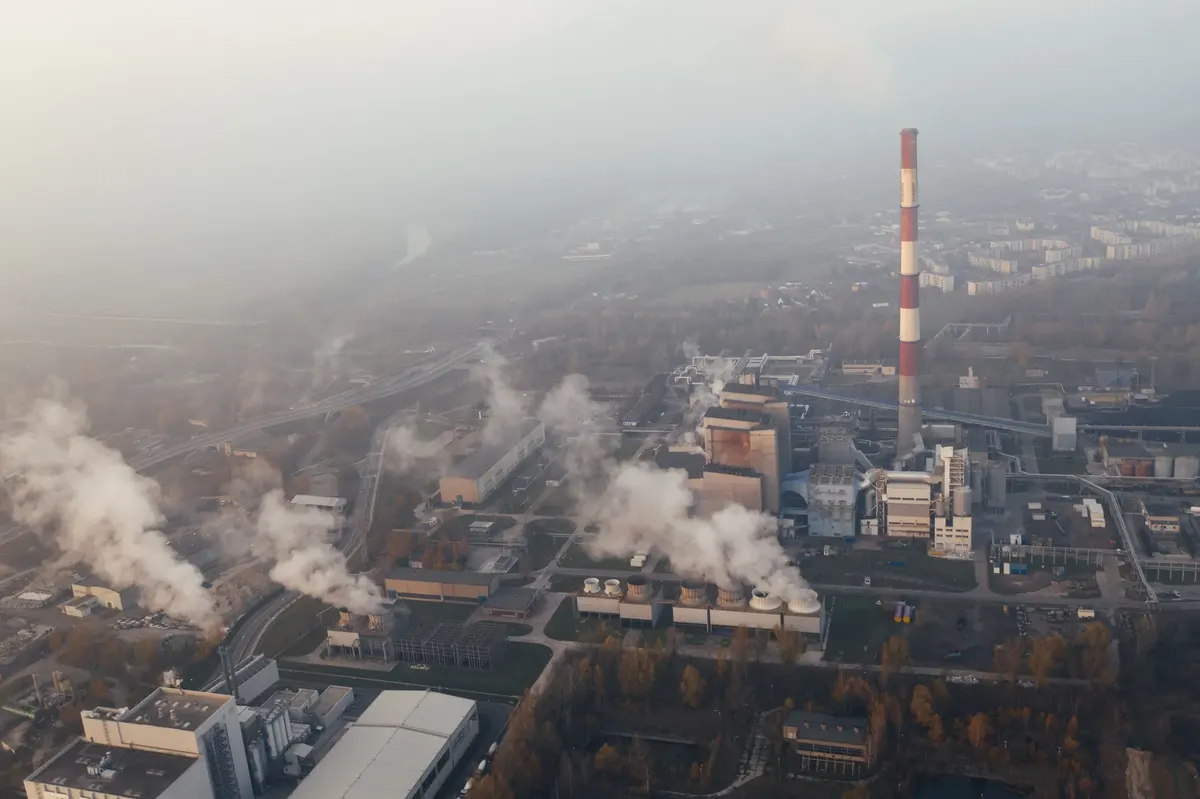
The ability to track health impacts is sometimes limited by conflicting institutional claims. During an air pollution crisis in 2025, the Union Health Ministry claimed there was no data linking air pollution to deaths, while the Environment Ministry dismissed global AQI monitors as unreliable.
These conflicting stances can complicate the understanding of the air pollution impact on health. Such discrepancies can lead to public criticism and questions regarding data transparency.
The subject here is India air pollution health risk.
This part also covers Industrialization and lung disease.
This part also covers Impact of industrial smog.
Related
- India magazine readership trends: Best tips for Indian press
- ICAI role in transparency how standards maintain integrity
What conditions worsen the air pollution problem? 1. High-density urban areas concentrate pollutants, intensifying the air pollution risk. 2. Industrial expansion contributes to the rise in pollutant concentrations within cities. 3. The presence of fine particulate matter creates a constant physiological threat to the populace.
This localized severity means that the air pollution danger is most pronounced where populations are tightly packed. The comparison between industrial output and atmospheric quality shows a direct correlation in these dense settings.
The sheer number of people affected, at least 140 million, underscores the widespread nature of this environmental stressor.
1. The finding that at least 140 million people breathe air exceeding the WHO limit demands immediate policy intervention. 2. Mortality data from specific cities demonstrates a quantifiable link between PM2.5 and adverse health outcomes. 3. The gap between observed pollution and safe thresholds necessitates stricter regulatory enforcement.
Public health efforts must address the measurable impact shown by the 2024 study. This study provided evidence that a significant portion of daily deaths in certain cities stemmed from elevated PM2.5.
The comparison of current conditions against established safety standards reveals the urgency of the situation for the least affected individuals.
FAQ
How many people are exposed to high levels of pollution?
Related posts

India adult health rights status: Tips on health inequality

India magazine readership trends: Best tips for Indian press

ICAI role in transparency how standards maintain integrity




Comments 0