India magazine readership trends: Best tips for Indian press
"The shift in how information flows across the subcontinent reflects a massive change in connectivity and accessibility."
The India magazine readership trends indicate a profound shift toward digital platforms driven by widespread connectivity. This analysis explores how a growing internet user base and changing information consumption habits reshape the media landscape.
Key takeaways include the impact of a 70.0% internet penetration rate, the role of information technology in the economy, and the specific demographic shifts occurring within the domestic press.
How do connectivity trends shape India magazine readership trends?

In a crowded Delhi cafe at noon, a woman taps her smartphone screen instead of thumbing through an india magazine.
A person sits in a bustling cafe in Delhi, scrolling through a smartphone instead of flipping through a physical magazine. This shift reflects a broader pattern where digital access dictates how information is consumed across the nation.
According to World Bank data, India recorded a share of internet users of 70.0% in 2025. This high level of connectivity suggests that traditional print media must adapt to a population that is increasingly online.
The digital surge directly influences how readers engage with news and specialized publications.
The widespread availability of data and devices has turned mobile screens into the primary medium for information. As more people join the digital space, the traditional magazine industry faces questions regarding its long-term relevance.
This connectivity serves as the foundation for all modern media consumption.
What is the impact of digital on print India?
A reader compares a heavy newsstand publication with a lightweight tablet, noting the ease of switching between articles. The tension between physical and digital formats defines the current era of publishing.
The impact of digital on print India is characterized by a move toward instant, on-demand content. As internet access expands, the convenience of digital reading often outweighs the tactile experience of paper.

This transition forces publishers to rethink their distribution models and content formats.
The shift is not merely about convenience but also about the speed of information. Readers now expect real-time updates that print cannot provide. Consequently, many legacy publishers are pivoting to digital-first strategies to remain competitive.
According to World Bank, the 2025 record includes 70.0%.
How can we analyze magazine decline India?
A collector looks at a dusty shelf of older periodicals, wondering why they no longer see the same interest in local newsstands. The declining interest in physical copies is a central concern for industry stakeholders.
Analyzing magazine decline India requires looking at the changing habits of younger, tech-savvy demographics. As readers move toward social media and specialized apps, the traditional subscription model faces significant pressure. This decline is often a symptom of changing lifestyle patterns.
The loss of print revenue often leads to a reduction in investigative journalism and specialized niche content. Publishers are forced to consolidate or find new ways to monetize their intellectual property. Understanding this decline is essential for predicting the future of the industry.
What are the key reader demographics Indian press?
A student in a university library searches for a specific journal on a laptop, bypassing the physical archives. Different age groups and professional backgrounds interact with media in distinct ways.

The reader demographics Indian press shows a divide between traditionalists and digital natives. While older readers may still value print, younger generations consume information through highly visual and interactive platforms. This demographic split creates a fragmented market for advertisers.
Understanding these segments allows publishers to tailor content to specific interests. From business professionals to students, each group has unique information needs. Successful media companies are those that can bridge these demographic gaps.
How does the Indian media influence study look at economic factors?
A business executive checks market trends on a high-speed connection during a morning commute. The intersection of technology and information creates a unique economic environment.
An Indian media influence study would note that information technology is a cornerstone of the national economy. According to data, India is a worldwide centre for information technology and business services, which add 7.5% to GDP and over 35% to services sold abroad.
This economic strength fuels the demand for high-quality information.
The growth of the tech sector provides the tools and the audience for digital media. As the economy evolves, so do the platforms used to report on it. The synergy between tech-driven growth and information dissemination is a key driver of change.
How do we understand the magazine audience shift India?
A traveler in a train station glances at a digital news feed on a kiosk. The movement of people and the constant flow of data signal a permanent change in audience behavior.
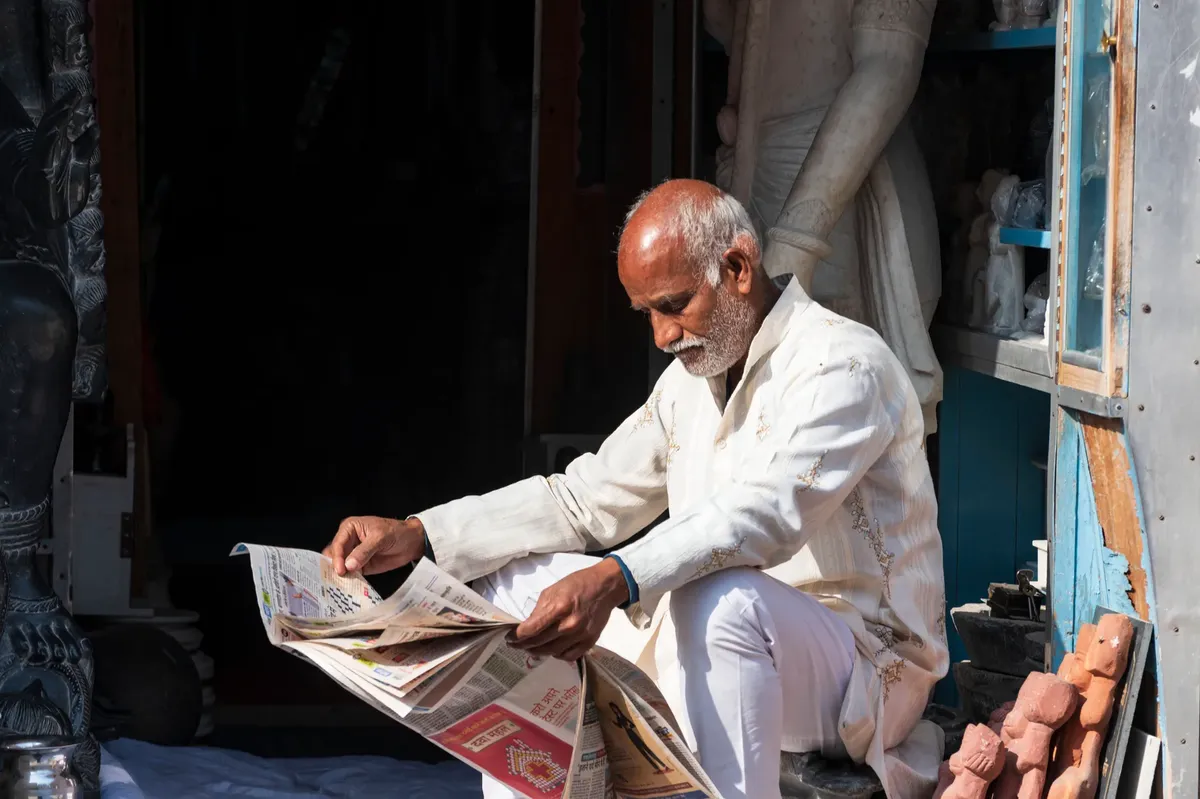
The magazine audience shift India is driven by the need for portability and searchability. Readers prefer content that they can carry in their pockets and search through instantly. This preference is reshaping the very structure of how stories are told.
As the audience moves, the industry must follow. The shift from static pages to dynamic, interactive content is a response to this new reality. Adapting to this movement is the only way to sustain engagement.
- How do connectivity trends shape India magazine readership trends?
- What is the impact of digital on print India?
- How can we analyze magazine decline India?
Related
- ICAI role in transparency how standards maintain integrity
- Indian fashion design body how to shape domestic market best
What cautions should publishers heed regarding the information shift?
Publishers must recognize that the change in information flow necessitates a fundamental change in their operational approach. The speed of digital consumption demands that content creation processes become more agile.
A caution exists that clinging to established print production timelines will hinder market relevance.
Adapting to the audience shift requires publishers to view their intellectual property as fluid assets rather than fixed print runs. This perspective acknowledges the portability and searchability that readers now expect from their information sources.
The successful navigation of this information shift depends on embracing interactivity.
For the traditionalists in the readership, the continued existence of print provides a comfort zone. However, the digital natives require immediate and dynamic information delivery. Publishers must manage this contrast while optimizing for the modern reader's access to information.
How does the economic factor influence the information shift?
The economic strength derived from information technology underpins the entire shift in how information is accessed. The substantial contribution of IT to the GDP validates the market's appetite for advanced information services.
This economic reality supports the move toward digital platforms for information dissemination.
When considering the information shift, the growth of the tech sector acts as both an enabler and a consumer. It provides the necessary infrastructure for high-speed data transfer, which is crucial for modern media consumption.
The economic vitality fuels the demand for specialized, high-quality information products.
This interplay between economic growth and information accessibility defines the current landscape of the Indian media. The financial health of the nation directly correlates with the capacity of its media to transition its information delivery methods.








Comments 0