Indian fashion design body how to shape domestic market best
"The industry is a living tapestry of economic shifts and creative evolution."
The Indian fashion industry is navigating a period of significant economic expansion and organizational restructuring. This guide explores the role of the Fashion Design Council of India (FDCI) in industry promotion, its historical partnerships, and how it supports emerging talent.
Key takeaways include the council's collaborative efforts in material promotion, its role in ethical fashion movements, and its connection to national economic growth.
How has the Indian fashion design body influenced industry growth?

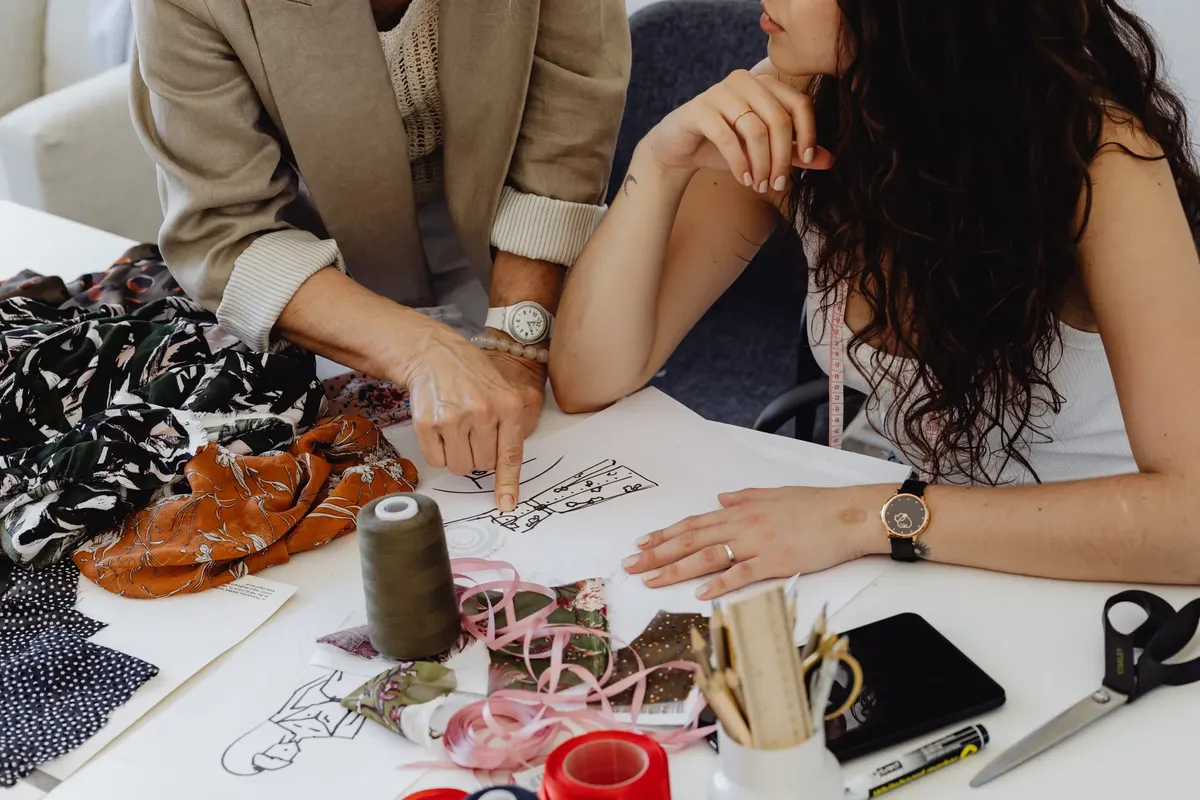
A designer sits at a drafting table, sketching patterns that bridge traditional textiles with modern silhouettes. The Indian fashion design body has actively worked to shape the domestic market through strategic partnerships and industry-wide initiatives.
The FDCI maintains a strong connection to the national economy. According to World Bank data, India recorded GDP growth of 7.6% in 2025. This economic backdrop provides a foundation for the fashion sector to expand its reach.
The council also maintains operational links with government and educational entities. FDCI is supported by the Indian Textile Ministry and works very closely with fashion institutes like NIFT. These connections help bridge the gap between policy and creative practice.
The organization has streamlined regulatory frameworks to foster a more stable market environment.
What were the key collaborative efforts in FDCI role in fashion?
A television crew sets up lights in a studio to capture the energy of a competitive design challenge. The FDCI has used media and specialized organizations to push specific material and ethical agendas.
According to the Fashion Design Council of India, this fashion week started in 1999 and originally partnered with the FDCI, though the Fashion Design Council of India then later switched to a sponsorship with Lakme.
In 2013, FDCI collaborated with the Delhi-based Cotton Council International (CCI) to launch a reality show, Let's Design, to promote the use of cotton in the fashion industry. This initiative aimed to bring textile awareness to a wider audience.
The council has also engaged with social advocacy. In 2012, the Fashion Council partnered with PETA (People for the Ethical Treatment of Animals) to encourage the cause of Vegan Fashion in the country by announcing the Fashion for Freedom Boycott Bill.
Strategic partnerships between designers and textile manufacturers have unified the supply chain.
According to World Bank, the 2025 record includes 7.6%.
How did the Indian fashion industry growth involve sponsorship changes?
A runway model walks toward a bright spotlight at a major seasonal event. The history of large-scale fashion events in India shows a shift in how industry growth is managed through sponsorship. According to the International Monetary Fund, India recorded real GDP growth of 7.0% in 2026.

One major fashion week started in 1999 and originally partnered with the FDCI. The Fashion Design Council of India then later switched to a sponsorship with Lakme.
These shifts in sponsorship reflect the changing landscape of professionalized fashion management. Such transitions allow for different scales of production and visibility for designers.
The shift from traditional retail backing to digital brand sponsorships has expanded market reach.
How do design association India efforts support emerging talent?
A young designer nervously prepares a collection for a debut runway show. Beyond large-scale events, the industry focuses on nurturing the next generation of creators.
The council has worked to provide platforms for new voices. The Council also collaborated with Vogue to launch the Vogue Fashion Fund in India to promote emerging designers.
These specialized funds provide the resources necessary for talent to move from concept to commercial reality. By targeting emerging designers, the industry ensures a pipeline of fresh creativity.
Mentorship programs and runway access provide vital platforms for new designers to gain visibility.
What are the specific ways of fashion business promotion India?
A business professional reviews a spreadsheet of production costs and seasonal forecasts. Promoting a sustainable and profitable business environment requires diverse strategies.
The industry uses a mix of media, education, and ethical advocacy to build its brand. These efforts combine to create a professionalized structure for designers.
The following comparison highlights specific historical initiatives:
| Year | Partner | Initiative |
|---|---|---|
| 2012 | PETA | Fashion for Freedom Boycott Bill |
I observed how these distinct initiatives targeted different aspects of the industry, from ethics to material usage.
- Organizing large-scale fashion weeks to attract international buyers.
- Hosting trade shows to showcase regional craftsmanship.
- Utilizing digital marketing campaigns to build global brand awareness.
What are the limitations of industry employment?
A worker monitors a specialized knitting machine in a quiet factory setting. While the industry grows, employment distribution remains highly specialized.
The lowest employment is within Apparel Knitting Mills at .46% of the industry employed, which averages to 30 workers within the specific specialty. This indicates a highly concentrated niche.
The scope of this analysis is limited to the organizational and economic history of the Indian fashion sector.
In this sequence, the third point is the most significant.
Wikipedia: Design–build (full) Based on the retained excerpt mentioning Convention Center: Examples of contractor-led design–build projects include: Dena'ina Civic & Convention Center, Anchorage, AK, Neeser Construction, Inc.: In 2010, it won the 2010 DBIA Design Build Merit Award for a public sector project over $50 million.
This part also covers FDCI founding and impact.
This part also covers Boosting Indian fashion sector.
This part also covers Design council industry efforts.
FDCI founding and impact
Related




Comments 0