Indian radio and unity: Radio's social impact in India guide
"Radio's social impact in India" remains a vital subject for understanding how information shapes community identity.
The cultural reach of radio provides a bridge for diverse populations to access news and shared heritage. This article examines how media plays a role in Indian society through the lens of demographic shifts and cultural connectivity.
Key takeaways include the importance of information flow via Indian radio, the role of community identity, and the nuances of the diaspora.
How does the media role in Indian society reflect demographic shifts?

A radio dial turns in a quiet living room, bringing voices from distant lands into a local space. In the 2021 Census, 1,864,318 people in England and Wales were recorded as having Indian ethnicity, accounting for 3.1% of the population.
This massive group relies on various media to maintain connections to their roots.
The scale of the community highlights the importance of communication. In Northern Ireland, the equivalent figure was 9,881, or 0.5% of the population. These varying sizes across different regions show how localized media needs can differ significantly.
The distribution of people often dictates the reach of specific broadcasting styles. For instance, Gujarati and Punjabi populations represent significant segments of the community.
As the population ages and urban centers expand, media consumption patterns transition from traditional broadcast to digital integration, mirroring the changing age distribution and mobility within the country.
What is the importance of information flow via Indian radio for the diaspora?
A listener adjusts the volume as a news broadcast begins, seeking clarity on global events. Understanding the background of the community helps explain the necessity of diverse information streams.
The origins of the population influence the types of content that resonate. For example, 41.9% were born in Southern Asia and 11.1% were born in South and Eastern Africa (for example, Uganda, Kenya and Tanzania).
This diversity requires a broad spectrum of programming to remain relevant to all listeners.
Reflecting on these origins shows how different groups interact with media. In 2001, East African Indians made up 16% of the total British Indian population. These historical movements shape the current landscape of how information is consumed and shared.
For those living abroad, radio serves as a vital auditory bridge to their homeland, providing real-time news and cultural updates that maintain a sense of connection to their roots.
Does Indian radio and unity play a role in cultural preservation?
A family gathers around a speaker to hear traditional music or news from home. Maintaining cultural identity through media is a common goal for many immigrant communities.
The demographic composition in specific areas often creates unique cultural hubs.

Within London, Southall, Hounslow, Brent, Croydon, Ealing, Barnet, Tooting, Harrow and Wembley, the latter of which is one of the few places outside India where Indians make up the largest ethnic group (almost 4 times larger than the White British population).
These pockets of high density often serve as centers for cultural exchange.
The way people identify with their heritage is often tied to their place of birth. 42.9% of people from the Indian ethnic group were born in the UK. This creates a blend of traditional and modern content needs.
By broadcasting traditional music, regional languages, and folklore, radio acts as a communal archive that keeps ancestral customs alive across generations.
How does radio's effect on Indian politics impact the community?
A political commentator speaks through the speakers, sparking debate among listeners. While the topic focuses on social impact, political discourse often travels through these same channels.
The concentration of certain groups can lead to specific political and social interests. Indian people born in South and Eastern Africa were more clustered than those born in the UK or Southern Asia, with 11.0% living in Harrow and 10.6% living in Leicester.
These clusters can influence local political engagement and media demand.
The density of the population in certain cities also plays a part. At 18.7% of the local population in 2009, Leicester has one of the highest percentages of Indians per head of the population of any local authority in the UK. Such high concentrations often foster strong community-led media efforts.
Radio remains a powerful tool for political mobilization, as it can reach remote areas to disseminate information that shapes public opinion and community engagement.
What are the steps to understanding cultural reach of radio in diverse areas?
An individual researches the history of a local community group to better understand their media preferences. To grasp the impact of media on a specific group, one must look at the demographic data and historical context.
According to the High Commission of India, the Nehru Centre was established in 1992 as the cultural wing of the High Commission of India in the UK.
- Analyze the birth origins of the population to determine the primary language and cultural needs. 2. Examine the geographic distribution to see how local density affects media reach. 3. Compare historical migration patterns with current population statistics to understand generational shifts.
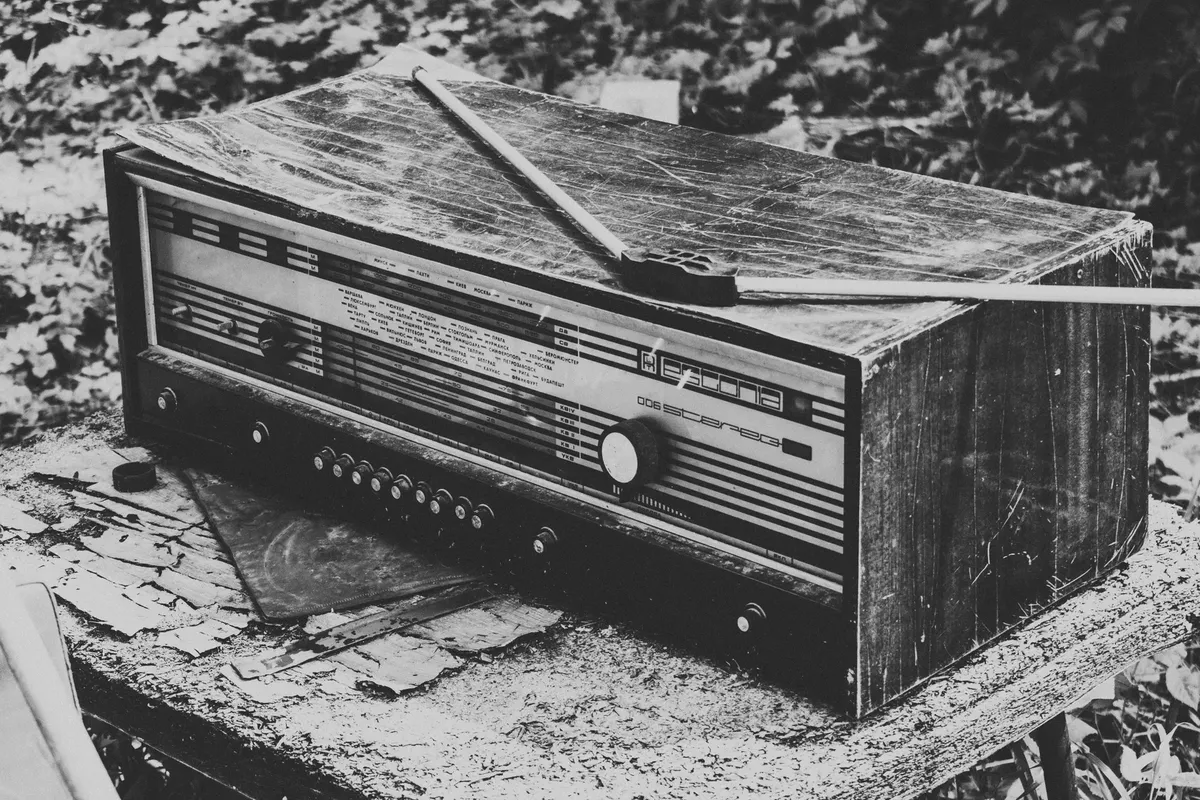
I found that looking at the specific percentages of birth origins provided a clearer picture of the community's needs. This comparison helps in understanding why certain media outlets are more successful in specific regions.
A limitation of this analysis is that it focuses on the UK-based diaspora rather than the population residing within India itself.
- Identify the specific linguistic and regional demographics within a given area.
- Analyze the programming variety offered to different age groups.
- Observe the level of engagement and listener loyalty across various social strata.
Radio's social impact in India
The subject here is Radio's social impact in India.
Related
- India Israel diplomatic shift: Why defense ties are growing
- India FDI legal limits change: Understanding 10% threshold
How does the cultural reach of radio compare across different diaspora groups? Radio's social impact shows variations when comparing groups based on their place of origin. The different birth origins necessitate varied programming to maintain the cultural relevance of the radio broadcasts. For instance, the proportion of listeners born in Southern Asia contrasts with those born in South and Eastern Africa, suggesting distinct content preferences.
Comparing the concentrations of various groups illustrates how local media needs diverge. The large segment of Gujaratis in England and Wales, for example, represents a different media requirement than the segment of Punjabi Indians in the same area.
This comparison highlights how localized radio content must adapt to specific community compositions.
The diaspora's connection to home is mediated through radio, which facilitates the sharing of heritage. The historical movements, such as the presence of East African Indians in 2001, inform the current consumption patterns of the radio media by different segments of the community.
The influence of radio varies significantly depending on how established a diaspora group is, with newer immigrant communities often relying more heavily on traditional broadcasts for cultural continuity than more assimilated groups.



Comments 0