India empty container yard issues: How to guide better flow
"The flow of goods is the lifeblood of a growing economy, yet the accumulation of empty steel boxes can choke the very ports meant to facilitate trade."
The accumulation of empty containers in Indian port areas can lead to significant logistics bottlenecks and economic inefficiencies. This issue primarily impacts supply chain fluidity, capital allocation, and port throughput capacity.
Key takeaways include the importance of efficient yard management, the financial burden of idle equipment, and the necessity of synchronized global trade flows.
Why do empty container yard issues occur?

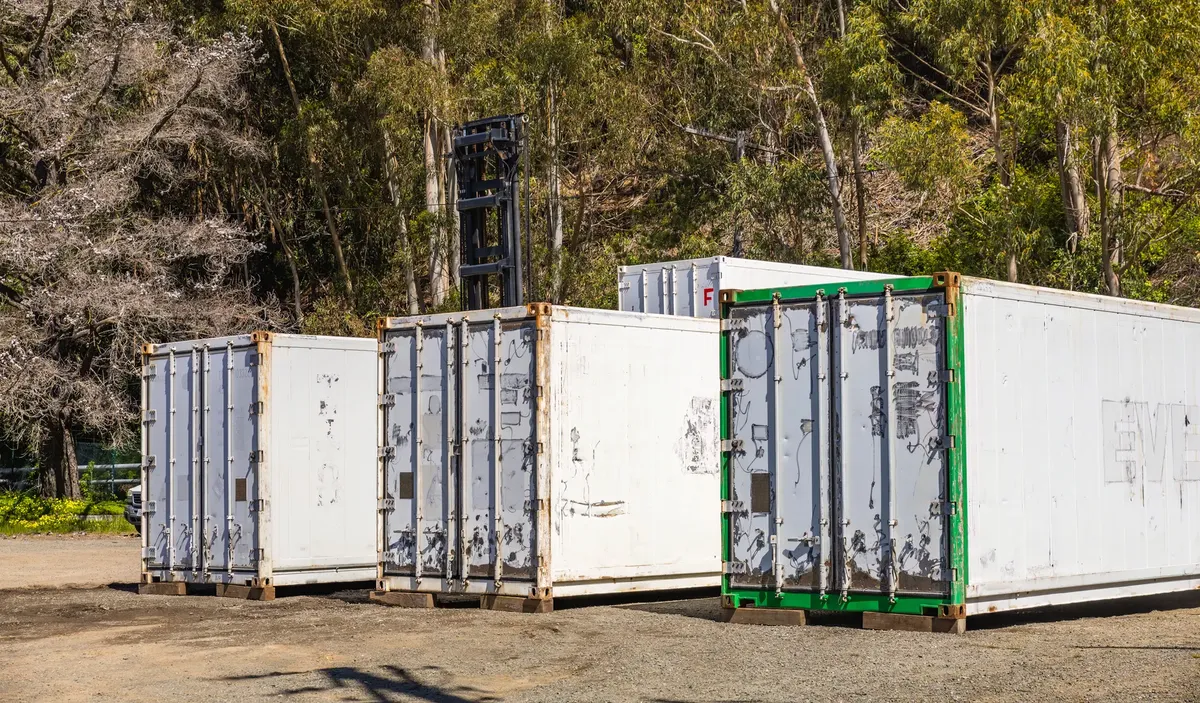
A heavy metal container sits motionless under the midday sun, waiting for a vessel that may not arrive for weeks. In many port regions, the buildup of empty units creates significant space constraints.
These issues regarding empty container yards in India often arise from imbalances in global trade routes, specifically when import volumes surpass export volumes.
When ships arrive with full loads but depart with limited cargo, the surplus of empty steel creates a logistical nightmare. This buildup consumes valuable terminal space that should be used for active cargo.
Such congestion can lead to increased handling costs and slower turnaround times for vessels.
The presence of these idle units can disrupt the entire movement of goods through the terminal. This Indian cargo yard inefficiency often results from a lack of synchronized scheduling between shipping lines and inland transport.
Without a clear plan to reposition empties, the yard becomes a graveyard for transit equipment.
How does empty container storage impact the local economy?
I feel the heavy heat of the afternoon in India as I watch the idle containers sit motionless against the dusty horizon.
A forklift driver maneuvers around stacks of steel, searching for a specific unit while navigating a maze of idle boxes. The cost of maintaining these empty units is a direct drain on shipping company profits.
This type of empty container storage impact can ripple through the local economy as companies pass these costs to consumers.
The capital tied up in idle containers represents lost investment opportunities. Instead of being used for new equipment or expanding operations, funds are locked in static assets. This inefficiency creates a ripple effect that can influence regional trade competitiveness.
The economic burden is often felt most acutely by smaller logistics providers. An Indian cargo yard inefficiency can disproportionately affect smaller players who lack the space to buffer against such fluctuations. This imbalance can lead to higher freight rates for all domestic businesses.
According to World Bank, the 2024 record includes 18.6%.
What are the risks of supply line vulnerabilities in logistics?
A truck driver waits at a gate, staring at a line of vehicles that cannot move through the congested terminal. The movement of raw materials is often interrupted by these physical bottlenecks at the port.
This type of supply line vulnerability can delay the production of essential goods in inland factories.
The disruption of goods flow can lead to sudden shortages in key industries. If a factory cannot receive its components due to yard congestion, the entire production line may halt. This creates a domino effect that impacts employment and national productivity.
The sector faces supply line vulnerabilities, especially a reliance on China for over 70% of its raw active pharmaceutical ingredients (APIs).
While this specific dependency is a matter of industrial policy, it highlights how much the economy relies on the smooth movement of containers through port facilities.
How can we improve container flow solutions?
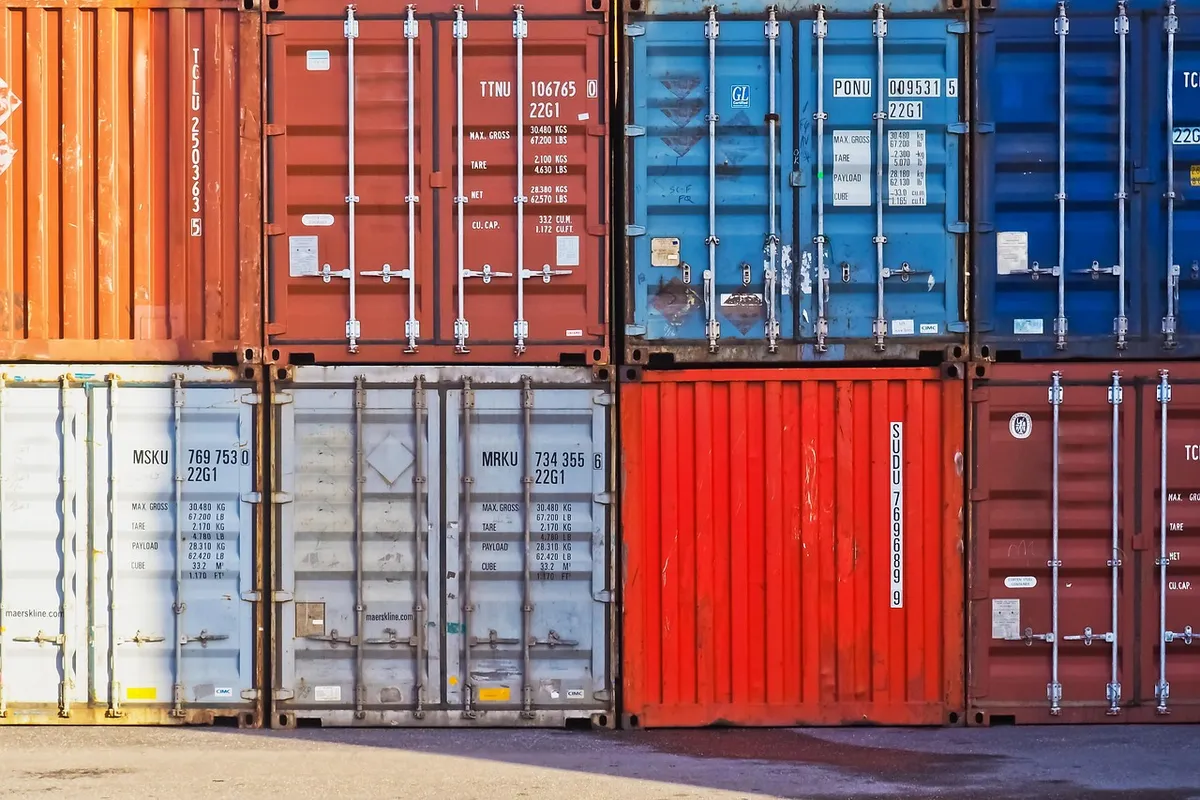
An operator consults a digital tablet, attempting to reorganize a chaotic stack of containers to make room for an incoming shipment. Solving the problem requires a combination of better technology and improved infrastructure.
Developing effective container flow solutions involves optimizing yard layouts and improving data visibility.
Strategic planning for the relocation of empty units is essential to prevent terminal saturation. By anticipating the movement of goods, companies can better manage the arrival and departure of empty equipment. This proactive approach minimizes the time units spend sitting idle in the yard.
Improved digital tracking allows for real-time monitoring of container locations. This visibility helps planners manage space more effectively and reduces the time spent searching for specific units. Efficiently managed yards ensure that the port remains a gateway rather than a bottleneck.
What are the current constraints on logistical growth?
A massive crane lifts a heavy container, but the path forward is blocked by a wall of empty steel. Despite technological advancements, physical space remains a primary constraint in many growing ports. This limitation often prevents the expansion of trade volumes even when demand is high.
According to the World Bank, India recorded high-technology share of manufactured exports of 18.6% in 2024.
The mismatch between vessel size and yard capacity is a growing concern. As ships get larger, the volume of containers handled during a single port call increases significantly. If the yard cannot manage the influx, the entire port operation slows down.
The physical management of containers is central to resolving these types of vulnerabilities and ensuring that essential supplies reach their destinations without delay.
India empty container yard issues
The subject here is India empty container yard issues.
The same subject is also called Container yard logistics problems.
The same subject is also called Supply chain yard delays.
This part also covers Impact on factory operations.
This part also covers Economic loss from yard congestion.
Impact on factory operations
Related
- India infrastructure projects: Guide to coastline challenges
- India steel decarbonization plan: Best tips for industry
How does poor yard management affect the flow of goods? 1. Inefficient yard management directly impedes the smooth flow of goods through the terminal. 2. When containers are not positioned logically, the time required to retrieve specific cargo increases substantially. 3. This delay in retrieval slows down the entire process of moving goods from the port to inland destinations. 4. Poor organization exacerbates the existing space constraints caused by idle equipment.
What are the implications of delayed goods flow? 1. Delayed flow of goods can cause production schedules in downstream industries to falter. 2. When raw materials arrive late, manufacturing processes cannot proceed at their intended pace. 3. This interruption in the steady flow of goods can lead to operational downtime for businesses. 4. The overall economic impact stems from the inability of the system to maintain a consistent flow of necessary items.
FAQ
How do empty containers affect port space?
What is the primary cause of yard congestion?
Related posts

India infrastructure projects: Guide to coastline challenges

India steel decarbonization plan: Best tips for industry

India FDI environment changes: Best guide for new investment





Comments 0