India China diplomatic talks: Why dialogue is essential
"Diplomacy is the art of letting someone else have your way."
The current state of India China diplomatic talks remains a complex landscape of historical friction and shifting strategic priorities.
While the provided evidence focuses on various bilateral relations, understanding the nuances of international negotiation focus is essential for grasping how India manages its neighbors.
This article explores the historical context of diplomatic shifts and the importance of dialogue in maintaining regional stability.
Key takeaways: * Historical diplomatic shifts often redefine regional power dynamics. * The Ministry of External Affairs manages the conduct of India's foreign relations. * Bilateral ties are frequently influenced by changing domestic governments.
How does history shape India China diplomatic talks?
At dusk in the quiet archives, a diplomat runs a finger over yellowed maps, feeling the heavy weight of history shaping the future of India China relations.
A diplomat sits at a polished mahogany table, reviewing decades of treaties and boundary agreements. The weight of the past often dictates the movement of modern policy.
Historical precedents serve as the foundation for all modern international negotiation focus. For instance, the dissolution of the Soviet Union in 1991 significantly altered the geopolitical landscape, affecting how countries like India re-evaluated their ties with various nations.
Understanding these shifts is vital for any effort to ease India China ties.
The legacy of past conflicts and shifting alliances creates a backdrop where every new meeting is viewed through a historical lens. These precedents influence how leaders approach current territorial or economic discussions.
However, the impact of historical grievances may be limited when immediate strategic interests take precedence.
Why is the importance of dialogue essential for stability?
A negotiator adjusts a microphone, waiting for the opposing side to begin their opening statement. Silence in the room often speaks as loudly as the words that follow.
In any regional context, the importance of dialogue serves as a primary tool to prevent escalation. While the provided records do not detail specific recent negotiations with China, they show how India has managed diverse relations, such as its 1992 establishment of formal ties with Israel.
Such maneuvers demonstrate how diplomatic efforts can evolve over time.
Managing bilateral talks India China requires a constant balancing of domestic interests and international pressure. Maintaining an open line of communication remains a fundamental necessity for preventing localized disputes from becoming global crises.
- Establish a baseline of communication.
- Identify areas of mutual concern.
- Develop frameworks for conflict prevention.
How do government changes affect bilateral relations?
A leader signs a new treaty, marking a transition in how their nation views the world. The ink on the page represents a shift in strategic direction.
According to the United Progressive Alliance, the relationship established when India formed formal diplomatic relations with Israel in 1992 grew during the tenures of the National Democratic Alliance (NDA) government and the subsequent United Progressive Alliance (UPA) governments.
Political transitions often redefine the nature of international partnerships. For example, India enjoyed favorable relationships with Bangladesh during specific government tenures in 1972 and 1996.
These fluctuations show that improving India China links or other regional ties often depends heavily on the political climate of the involved parties.
Such shifts can lead to sudden changes in diplomatic warmth or tension. Leaders must navigate these transitions to ensure that long-term stability is not sacrificed for short-term political gains.
I find that the third step regarding policy shifts is the most significant in this sequence.
What role does the Ministry of External Affairs play in diplomacy?
An official organizes a stack of sensitive documents, preparing for a high-level summit. The precision of the paperwork reflects the precision required in statecraft.
The Ministry of External Affairs (MEA) acts as the primary engine for managing a nation's global presence. According to the technical material, the Ministry of External Affairs is the Indian government's agency responsible for the foreign relations of India.
This agency manages the complexities of both friendly relations and the management of potential friction points.
By coordinating these efforts, the ministry ensures that diplomatic efforts are consistent across different administrations. This consistency is crucial when dealing with neighbors where interests may frequently diverge.
The effectiveness of these diplomatic efforts is limited when domestic political pressures override foreign policy objectives.
Can existing conditions limit diplomatic progress?
A diplomat looks out a window at a border zone, contemplating the physical realities of the terrain. The geography of the land often presents more challenges than the words of a treaty.
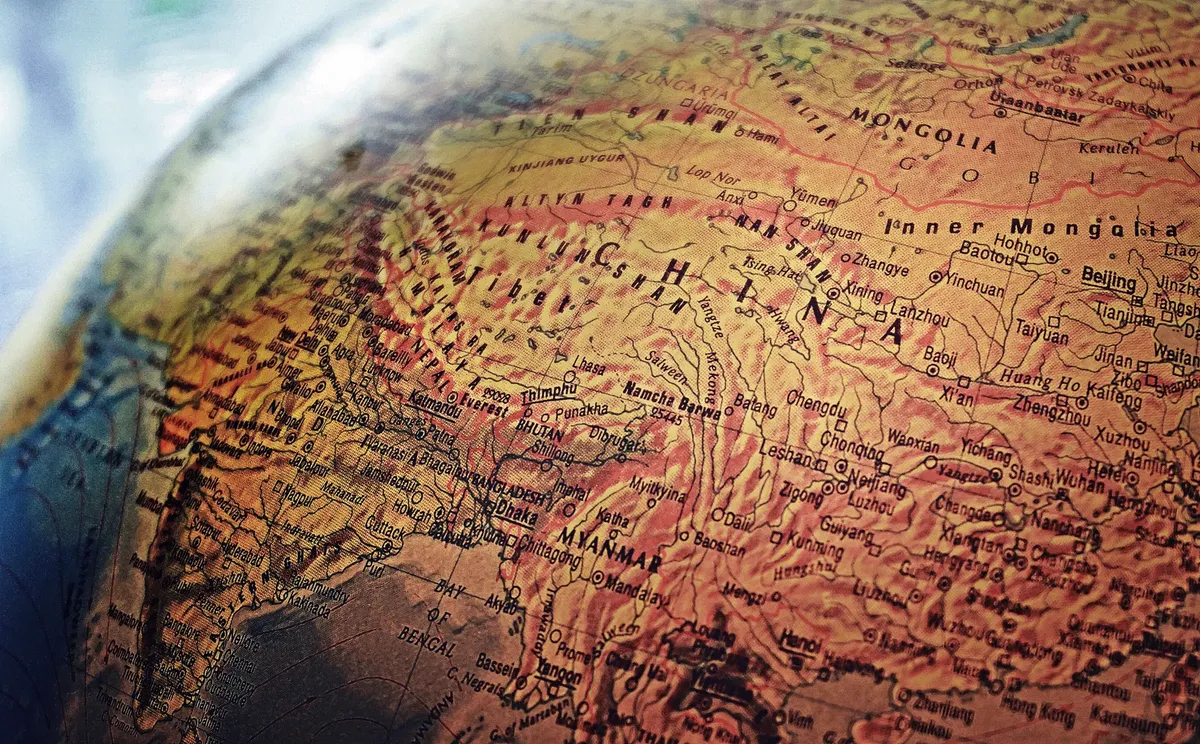
Diplomatic progress can be limited by specific historical or geographic conditions. For example, the establishment of relations with Tajikistan followed the 1991 dissolution of the Soviet Union, a period of significant transition.
These types of specific historical contexts can create unique constraints that limit the scope of modern improvements in India China relations.
| Factor | Impact on Diplomacy |
|---|---|
| Government Change | Can lead to shifts in bilateral favorability |
| Historical Context | Defines the baseline for modern negotiations |
I observed how the specific timing of a government's term can completely change the trajectory of a bilateral relationship.
The constraints imposed by current geopolitical tensions are difficult to bypass.
Related
- 213 km Highway guide to smooth trade movements and access
- India industry environment balance: Managing 7.6% GDP growth
How does the concept of 'letting' manifest in diplomacy? Diplomacy, the art of letting someone else have your way, requires a careful calibration of concessions. A diplomat must assess where yielding ground serves a greater strategic purpose than insisting upon absolute adherence to one's initial position. This art involves recognizing that mutual agreement, even if it is not the preferred outcome, secures stability.
When considering how diplomacy functions, the necessity of 'letting' becomes evident in managing friction. The historical friction between India and China illustrates the constant need for both sides to navigate their respective demands.
Successfully navigating these complex interactions demands a willingness to accommodate differing viewpoints.
This approach does not apply when fundamental national security interests are at stake.
What are the conditions that influence diplomatic maneuvering? The political climate of the involved parties presents a significant condition influencing diplomatic maneuvering. For instance, the favorable relationships India maintained with Bangladesh during certain government tenures show how domestic shifts alter international posture. These changes dictate the level of diplomatic warmth or tension present in bilateral talks.
The weight of the past often dictates the movement of modern policy, meaning historical conditions set the stage for current negotiations. Understanding these precedents is vital for any effort to ease India China ties, as past events frame present discussions.
When the Ministry of External Affairs manages foreign relations, it must account for these varying conditions. The agency coordinates efforts to ensure that diplomatic actions remain consistent despite the fluctuating political landscape of neighbors.



Comments 0