Who regulates the domestic dairy industry?
"The dairy sector remains a cornerstone of the rural economy, bridging the gap between traditional farming and modern industrial output."
The Indian dairy industry is governed by a complex regulatory framework involving specialized government agencies to ensure production standards and economic stability. This sector contributes significantly to the national economy, with specific growth rates and GDP shares defining its importance.
This article examines the regulatory bodies, economic contributions, and historical shifts in milk production within the country.
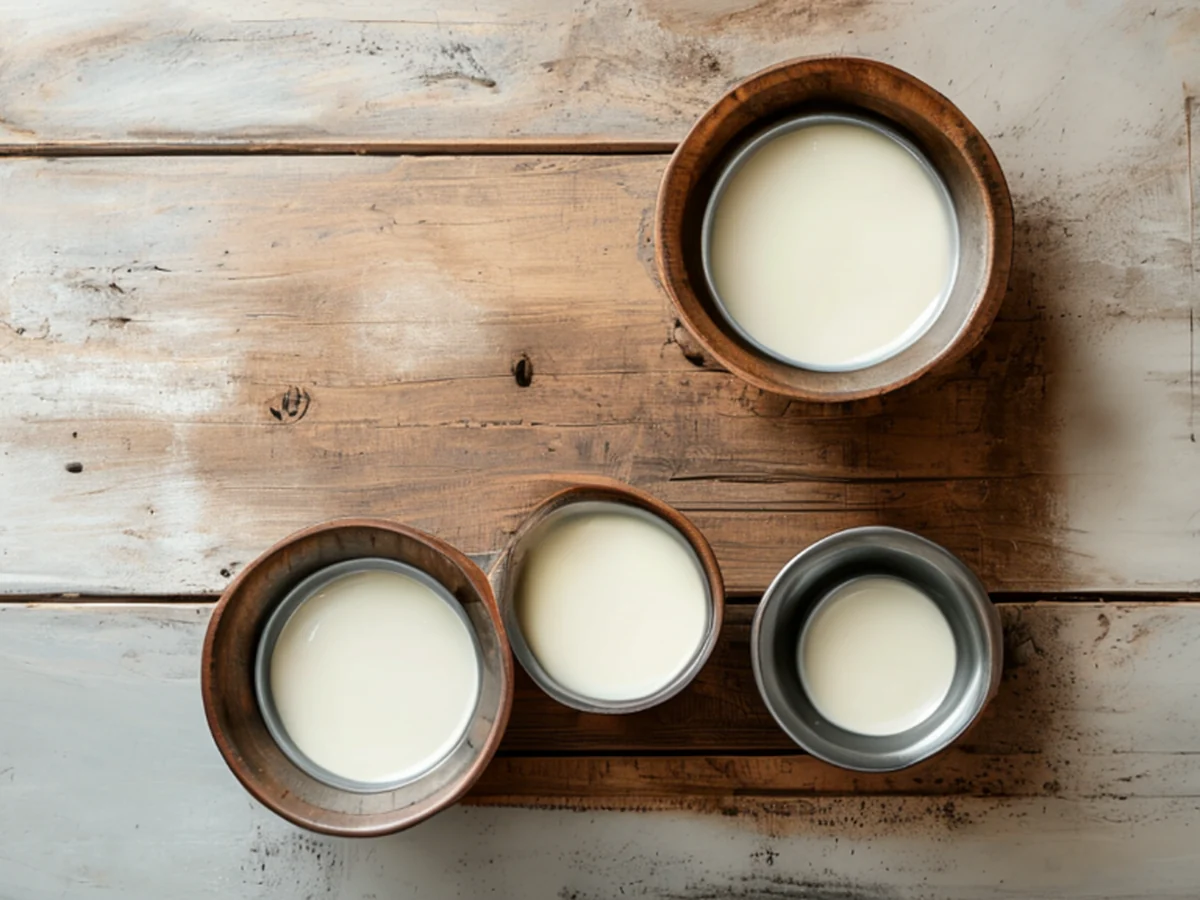
Key takeaways: 1. Regulatory oversight is provided by specialized ministries and national boards. * The sector contributes approximately 4.2% to the national GDP. * Production dynamics have shifted from buffalo-dominant to increasing cow milk demand.
Who regulates my local dairy industry? At dawn in the quiet office, the official's trembling hand shakes as he realizes how the law regulates every drop of milk.
A government official reviews a stack of compliance documents to ensure all standards meet national requirements.
The domestic industry is regulated by government agencies such as the Ministry of Animal Husbandry, Dairying and Fisheries; the National Dairy Development Board; and the Food Safety and Standards Authority of India.
These entities oversee everything from livestock management to the safety of processed goods.
By managing these diverse areas, the agencies maintain stability across the supply chain. The Ministry handles broad policy, while the National Dairy Development Board focuses on infrastructure and development.
The Food Safety and Standards Authority of India ensures that the products reaching consumers meet strict health guidelines. This multi-layered approach aims to balance rural production with urban consumption needs.
The Ministry’s broad policy dictates the overarching direction of the sector, influencing subsidies and resource allocation. The National Dairy Development Board’s focus on infrastructure involves developing facilities necessary for efficient milk collection and processing.
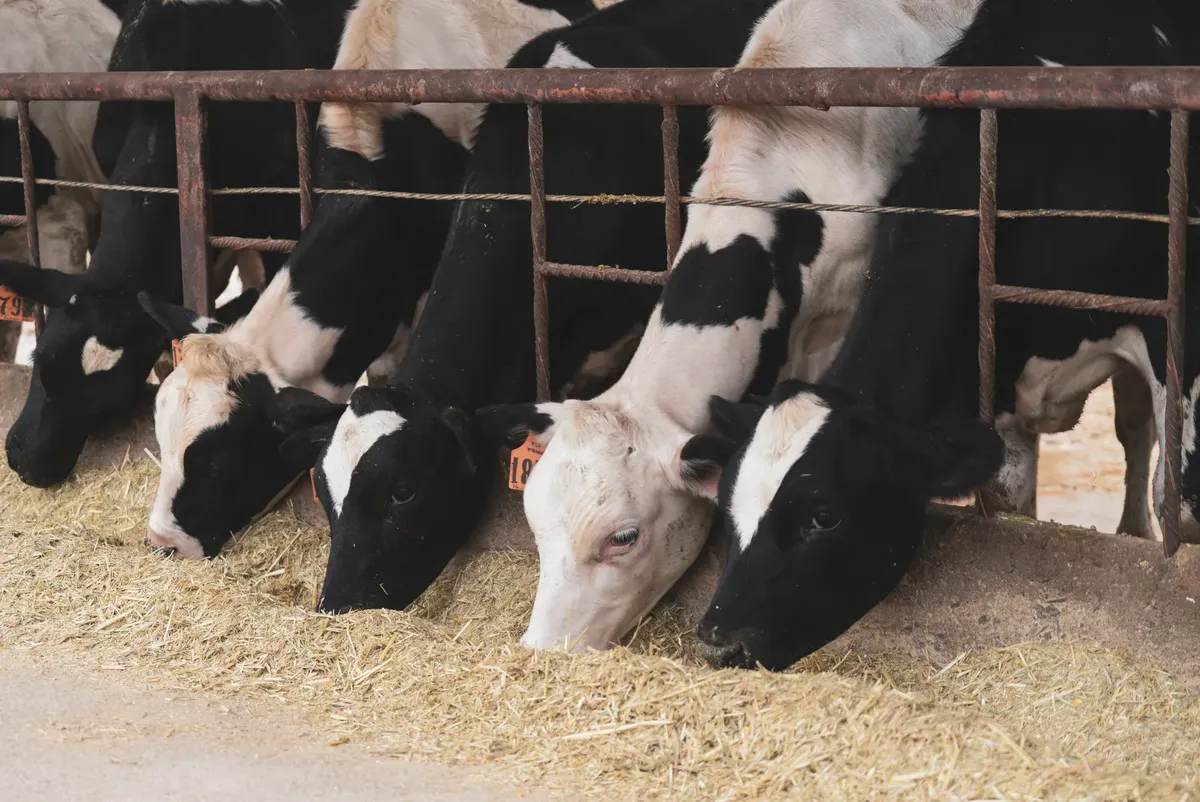
The strict health guidelines enforced by the Food Safety and Standards Authority of India provide assurance to the consumer regarding product integrity.
How much does dairy production affect the economy? India dairy regulation system An economist tracks the rising percentage of agricultural output through various fiscal quarters. As of 2020, approximately 4.2% of India's gross domestic product was due to dairy production. This figure highlights the sector's role as a vital component of the national economy.
According to World Bank data, India recorded manufacturing share of GDP of 13.5% in 2025.
The importance of this sector is reflected in its historical contribution to agriculture. As of 2010, the dairy industry accounted for 20% of India's gross agricultural output. This scale of production supports millions of livelihoods across the country.
The shift from 20% of agricultural output in 2010 to 4.2% of GDP in 2020 reflects the sector's increasing integration into the wider national economic structure.
| Metric | Value |
|---|---|
| GDP Contribution (2020) | 4.2% |
| Annual Growth (2019) | 4.9% |
The sector showed consistent momentum in recent years. In 2019, the Indian dairy sector was reported to be growing at 4.9% yearly. This growth reflects the increasing integration of dairy into the broader economic landscape.
The consistent momentum indicates that the sector is successfully adapting to changing market demands and production efficiencies.
How has milk variety and consumption changed?
A farmer examines different breeds of cattle in a sunny pasture to determine milk yield. The composition of milk production has undergone notable shifts over the decades.
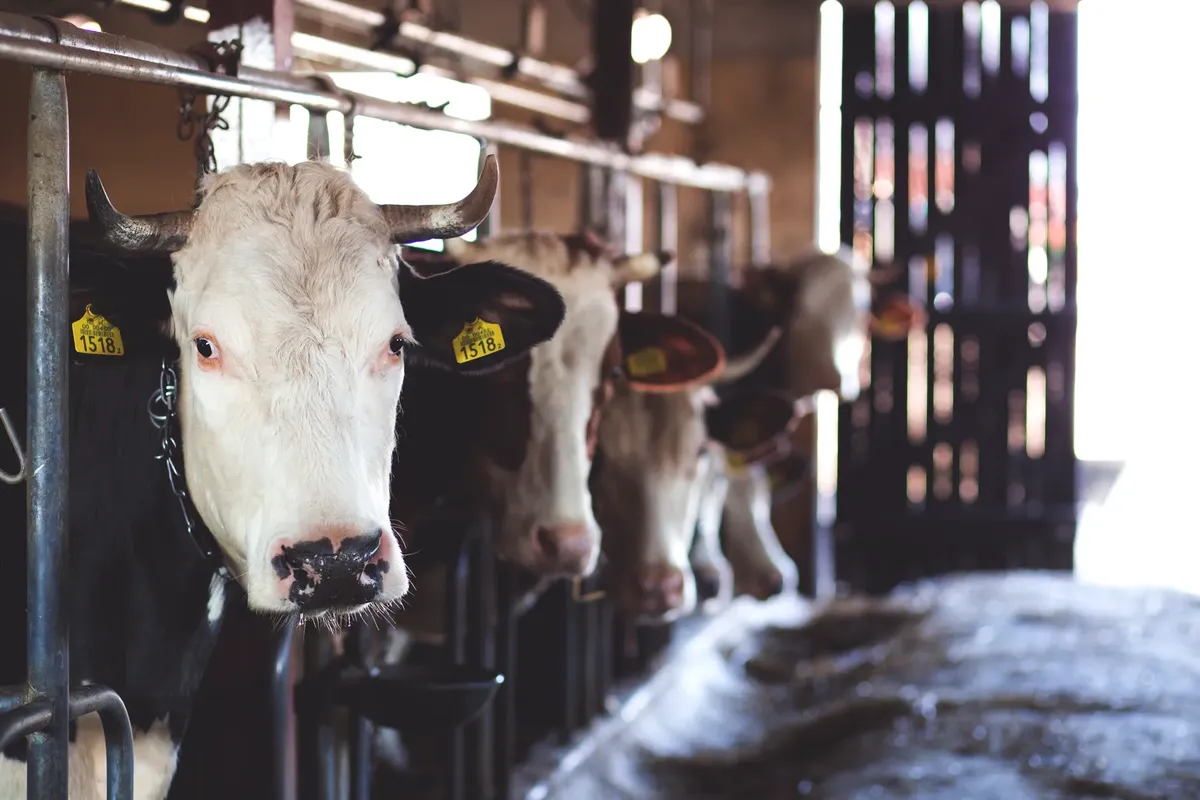
Until 2013, buffaloes accounted for more than half of all milk produced in the country, though the figure has reduced to less than 50% given the increasing consumer demand for cow milk. The reduction in buffalo dominance is a direct consequence of changing consumer preferences toward cow milk.
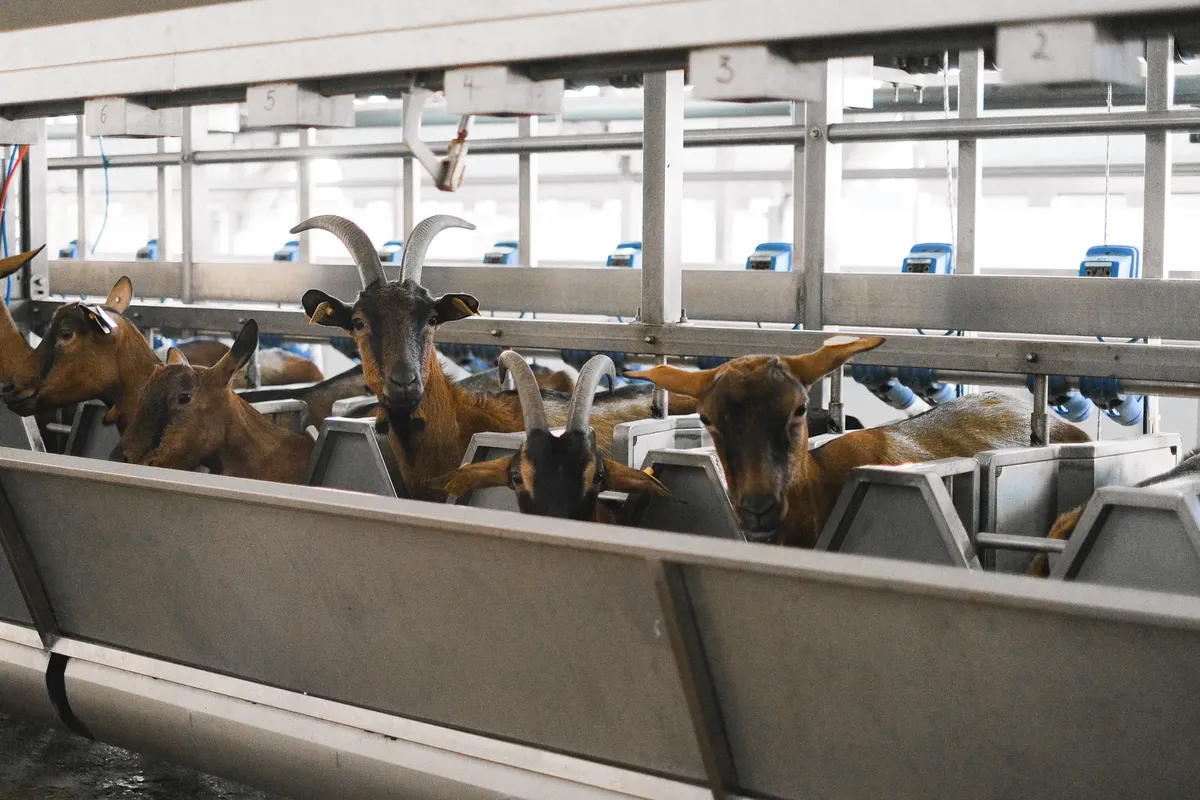
Different types of milk also play specific roles in the market. Goat milk is the third-most produced variety of milk, with a contribution of 4% as of 2017–18. This diversity in milk types supports various culinary and nutritional needs across different regions.
The specialized role of goat milk allows it to cater to specific regional dietary requirements.
The per capita intake remains a critical metric for understanding market saturation. It was estimated that the per capita intake was 7 ounces (200 g) per day, inclusive of all dairy products, which was the lowest among all large dairy countries.
This low intake suggests that substantial opportunities exist for increasing domestic consumption volumes. The condition of being the lowest among large dairy countries implies a significant untapped potential within the national market.
How did cattle breeding affect the industry?
A veterinarian inspects a cross-bred cow to ensure the animal is healthy for the herd. The introduction of new breeds has altered the livestock landscape significantly.
The first figures on the population of cross-bred cattle, from the livestock census in 1982, indicated that they made up 4.6% of the country's cattle.
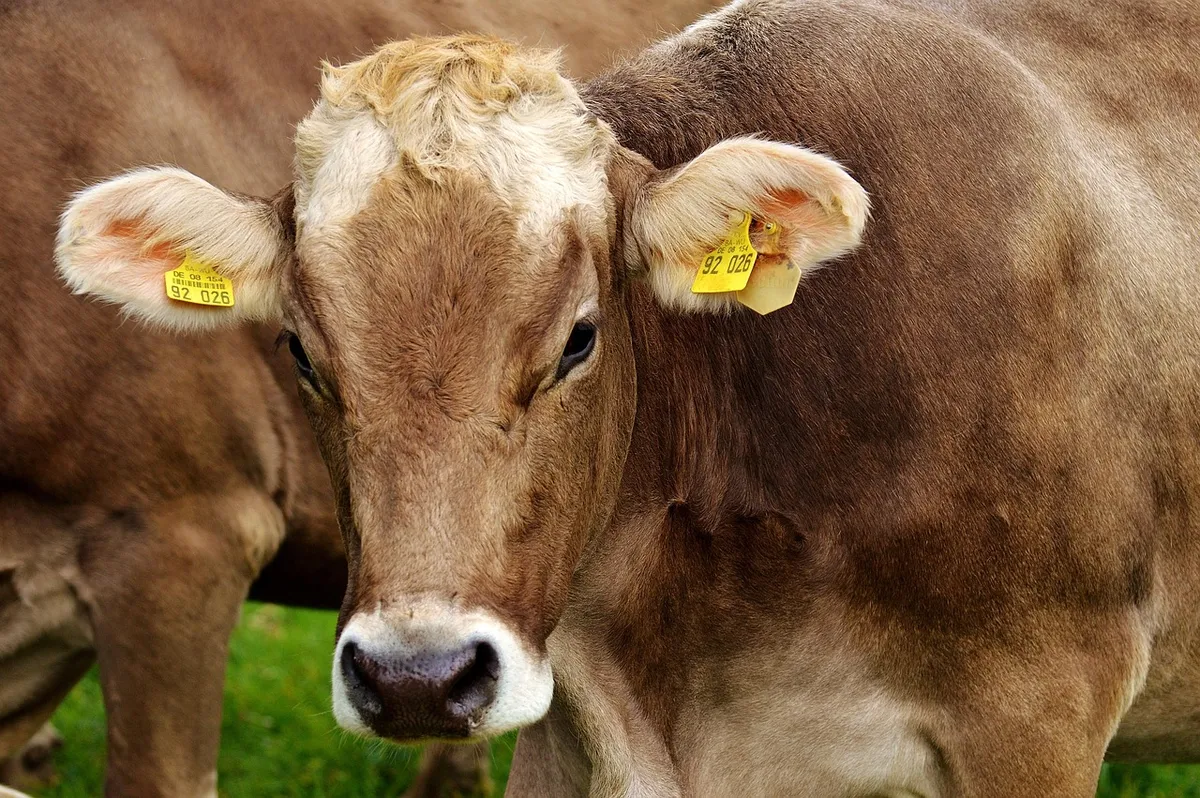
These changes were not uniform across all regions. Half of them were in Uttar Pradesh and Kerala, with Kerala having replaced 46% of its indigenous cattle with cross-breds. This shift reflects the changing priorities of farmers looking to optimize production.
Farmers prioritize cross-breeding when the condition of maximizing output becomes economically necessary. The regional disparity shows that the adoption of improved breeds is dependent on local economic and agricultural conditions.
What are the steps to understanding dairy regulation?
A student reads through various policy documents to understand the legal framework of the industry. To grasp how the sector is managed, follow these steps:
- Identify the primary governing bodies, such as the Ministry of Animal Husbandry, Dairying and Fisheries. 2. Examine the specific roles of developmental boards like the National Dairy Development Board. 3. Review the safety protocols established by the Food Safety and Standards Authority of India.
I once looked at these specific agency roles to understand how local milk reaches urban markets. This process ensures that the transition from farm to table is monitored at every stage. The monitoring procedure involves checking compliance with standards set by the Ministry at the farm level.
The involvement of the National Dairy Development Board ensures that the necessary infrastructure is in place to support the collection and transport of milk.
Reviewing the safety protocols of the Food Safety and Standards Authority of India guarantees that quality control is maintained throughout the distribution chain.
One limitation is that the regulatory impact on small-scale farmers is not established in the provided data.
- Who regulates my local dairy industry?
- How much does dairy production affect the economy?
- How has milk variety and consumption changed?
The subject here is India dairy regulation system.
The same subject is also called Indian dairy sector rules.
The same subject is also called Dairy industry governance India.
The same subject is also called Government oversight dairy India.
The same subject is also called Dairy policy framework India.
This part also covers Role of Indian dairy ministry.
This part also covers NDDB impact on dairy sector.
This part also covers Dairy regulation evolution India.
Role of Indian dairy ministry
Related







Comments 0