140 Million People: Why India Needs a Guide to Cleaner Air
"As India rapidly accelerates its economic growth, the invisible byproduct—massive industrial and vehicular emissions—is creating one of the world's most severe public health and environmental crises."
India's struggle with air quality is a complex intersection of rapid development and heavy-duty emissions. As the nation grows, the battle between economic expansion and breathable air becomes increasingly urgent.
* Source Breakdown: Industrial pollution (51%) and vehicular emissions (s27%) are the dominant factors driving India’s severe air quality challenges. * Severity: The crisis is immense, with 140 million people breathing air significantly above WHO safety limits, and air pollution contributing to millions of premature deaths annually. * Health Impact: Exposure is linked to severe health outcomes, including lower lung function in the population and increased emergency room visits for respiratory conditions. * Policy Response: The government has initiated measures like the National Clean Air Programme (2019) to curb particulate matter concentrations.
How bad is India's air?
A heavy haze hangs over the skyline of a major metropolitan hub, masking the sun and coating every surface in a fine, grey grit. The air feels heavy, tasting of metallic dust and exhaust as pedestrians cover their faces with masks.
As reported by the World Health Organization, at least 140 million people in India breathe air that is 10 times or more over the safe limit based on 2016 data.
The global context of this struggle is staggering. The World Health Organization has concluded that 99% of the world population is exposed to harmful air pollution.
This isn't just a local issue; it is a global health emergency where nearly everyone on the planet lives in areas exceeding recommended safety levels.
In India, the situation has reached a critical breaking point. At least 140 million people in India breathe air that is 10 times or more over the WHO safe limit, and 13 of the world's 20 cities with the highest annual levels of air pollution are located in India.
The sheer density of the crisis makes it one of the most pressing humanitarian challenges of the decade.
The cost of this pollution is measured in human lives. The Worldly Health Organization estimates that 6.7 million people die from air pollution each year, with 4.2 million of those deaths specifically due to outdoor air pollution.
These numbers represent families lost and a massive burden on the healthcare systems of developing nations.
As of 2025, the haze over major metropolitan areas remains a constant presence in the daily lives of millions. The visibility in many northern cities fluctuates wildly depending on the seasonal shifts in wind and temperature.
But the sheer volume of the haze is only half the story.
What are the primary culprits?
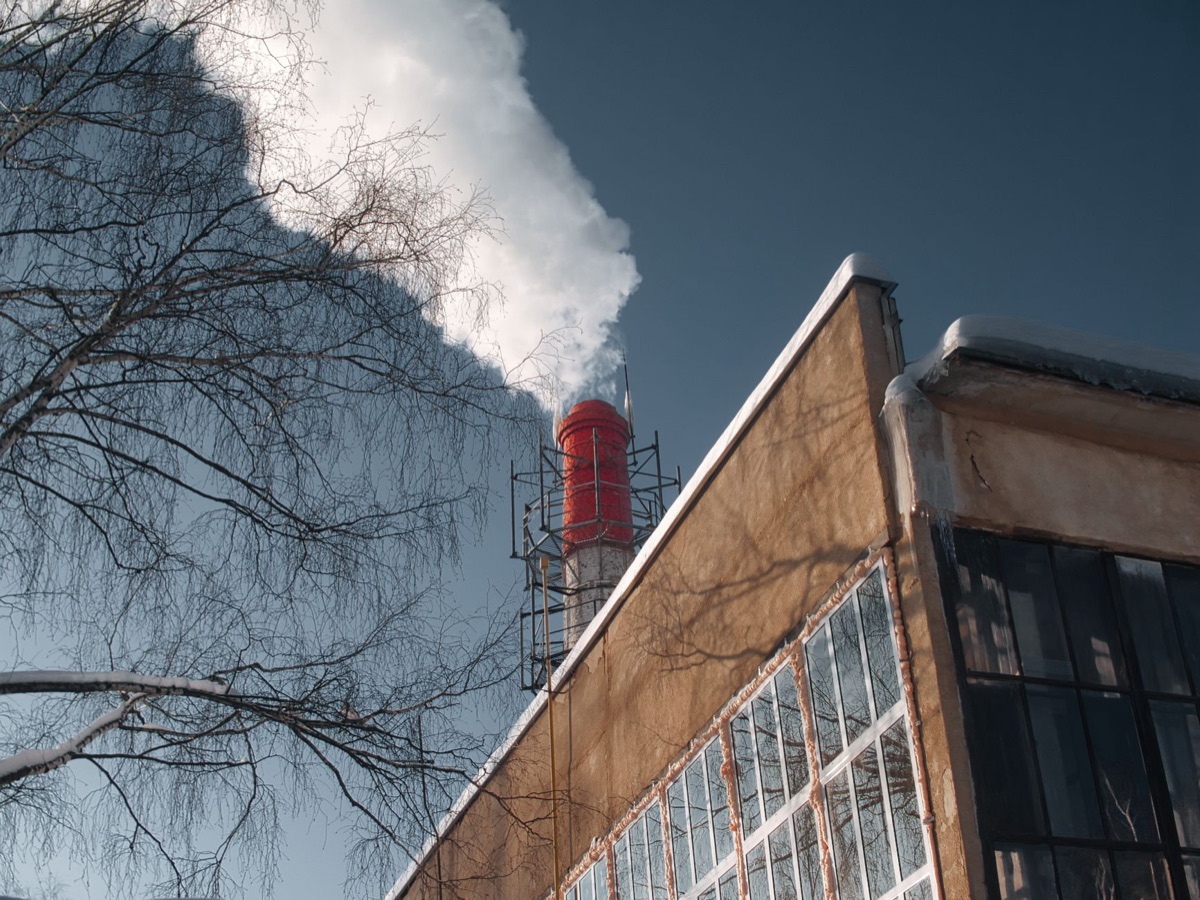
A heavy-duty truck rattles down a narrow thoroughfare, releasing a thick plume of dark smoke that momentarily obscures the streetlights. Nearby, a factory chimney vents a steady stream of particulates into the evening sky.
To understand the crisis, one must look at the specific sources of the haze. Industrial pollution accounts for 51% of the pollution load, while vehicular emissions contribute another 27%. The remaining 17% comes from crop burning, with 5% attributed to other sources.
The sheer volume of traffic in urban centers exacerbates the vehicular impact. In many Indian cities, the sheer density of vehicles means average trip speeds often fall below 20 km/h.
This constant idling and stop-and-go movement means a simple 10km trip can easily take 30 minutes or more, keeping engines running and pollutants concentrated in the breathing zone of pedestrians.
| Source Category | Percentage of Total Pollution |
|---|---|
| Industrial Pollution | 51% |
| Vehicular Emissions | 27% |
| Crop Burning | 17% |
| Other Sources | 5% |
The interplay between heavy industry and the sheer number of vehicles on the road creates a layered effect of contamination.
As the economy grows, the demand for more manufacturing and more transport increases, making the reduction of these two primary sources the most significant hurdle for policymakers.
- Identify the heavy traffic corridors within your local municipality.
- Monitor the exhaust output from older diesel-powered commercial vehicles.
- Evaluate the proximity of residential zones to industrial manufacturing hubs.
However, the physical haze is nothing compared to the invisible damage happening inside the human body.
Why does breathing the consequences matter so much?
A child sits in a classroom, occasionally pausing to cough as the sound of distant traffic hums through the window. The parent watches from the doorway, knowing the struggle to keep the indoor air clean is a losing battle.
According to the World Health Organization, 6.7 million people die from air pollution each year.
The health consequences of these emissions are profound and often irreversible. When people breathe air that exceeds safety limits, they face immediate respiratory distress and long-term chronic diseases.
The high concentration of particulate matter can penetrate deep into the lungs, causing systemic inflammation.
The mortality burden is particularly heavy among the most vulnerable. Beyond the 4.2 million deaths from outdoor pollution, the World Health Organization estimates that cooking-related pollution causes 3.8 million annual deaths globally.
In regions where industrial and vehicular pollutants mix with indoor smoke, the health risks are compounded.
| Health Impact Category | Typical Consequences |
|---|---|
| Respiratory System | Asthma, COPD, and reduced lung function |
| Cardiovascular System | Increased risk of stroke and heart disease |
| Systemic Health | Increased mortality and emergency room visits |
The struggle to maintain health in such environments requires constant vigilance. For millions, the simple act of breathing has become a calculated risk.
When I first moved to a high-density urban area, I was surprised by how quickly the heavy air affected my morning runs. I realized that even wearing a mask during peak hours makes a noticeable difference in how my lungs feel.
But as the cost of health rises, so does the cost of the economy.
How does growth conflict with the environment?
A businessman checks his watch while stuck in a sea of yellow taxis and motorcycles, the engine heat shimmering off the asphalt. He looks at the economic reports on his tablet, noting the rapid rise of the national GDP.
There is a tension between the desire for rapid economic expansion and the necessity of environmental protection. According to World Bank data, India recorded GDP growth of 7.6% in 2025.
This growth drives the very industries and transportation networks that generate the pollution.
The cost of the pollution often offsets the gains of the growth. While the industrial sector drives the 51% pollution figure, it also drives the economic engine. The challenge lies in decoupling economic output from pollutant output.
- Transition to Green Energy: Moving away from coal-fired industrial processes to renewable sources. 2. Electrification of Transport: Replacing internal combustion engines with electric vehicles to lower the 27% emission share. 3. Urban Planning: Improving public transit to reduce the reliance on individual vehicles and heavy traffic. 4. Stricter Emission Standards: Implementing and enforcing tighter controls on factory output and vehicle exhaust.
As the nation moves forward, the ability to implement these steps will determine whether the economic boom leads to a sustainable future or a public health catastrophe.
As of 2025, the tension between rapid infrastructure expansion and air quality management defines the national landscape. The cost of maintaining public health remains a significant factor in the calculation of economic progress.
If the cost of growth is the air itself, can the growth be considered successful?
What is the path forward?
A government official signs a new environmental directive as the sun sets behind a curtain of smog. The room is quiet, but the weight of the decision is felt by the millions living in the haze outside.
Mitigating the crisis requires a multi-pronged policy approach. The government has initiated measures like the National Clean Air Programme (2019) to curb particulate matter concentrations. These policies aim to set targets for various cities to reduce their pollution levels over fixed periods.
Technological innovation also plays a vital role. From better filtration systems in factories to the development of electric heavy-duty trucks, the tools to combat the 51% and 27% sources are evolving.
However, policy enforcement remains the bridge between technological potential and actual air quality improvement.
The scale of the problem means that local actions must be paired with national mandates. Without a cohesive strategy that addresses both the industrial heartlands and the urban transit corridors, the air quality will continue to struggle.
I found that switching to air-purifying plants in my living space provided a small but welcome sense of relief. If I were to do this again, I would invest in better filtration systems much earlier to avoid the discomfort of seasonal smog.


Comments 0