What are the current atmospheric challenges in India?
"The air we breathe is often the silent architect of our health, yet the data remains as clouded as the atmosphere itself."
The 2025 India air pollution 2025 plan remains a subject of intense debate due to conflicting official stances on mortality and monitoring reliability.
This overview examines current atmospheric challenges, the impact on urban populations, and the friction between government statements and global health findings.
Key takeaways include the high concentration of polluted cities, the estimated mortality rates in high-risk areas, and the current administrative stance on air quality monitoring.
What are the current atmospheric challenges in India?
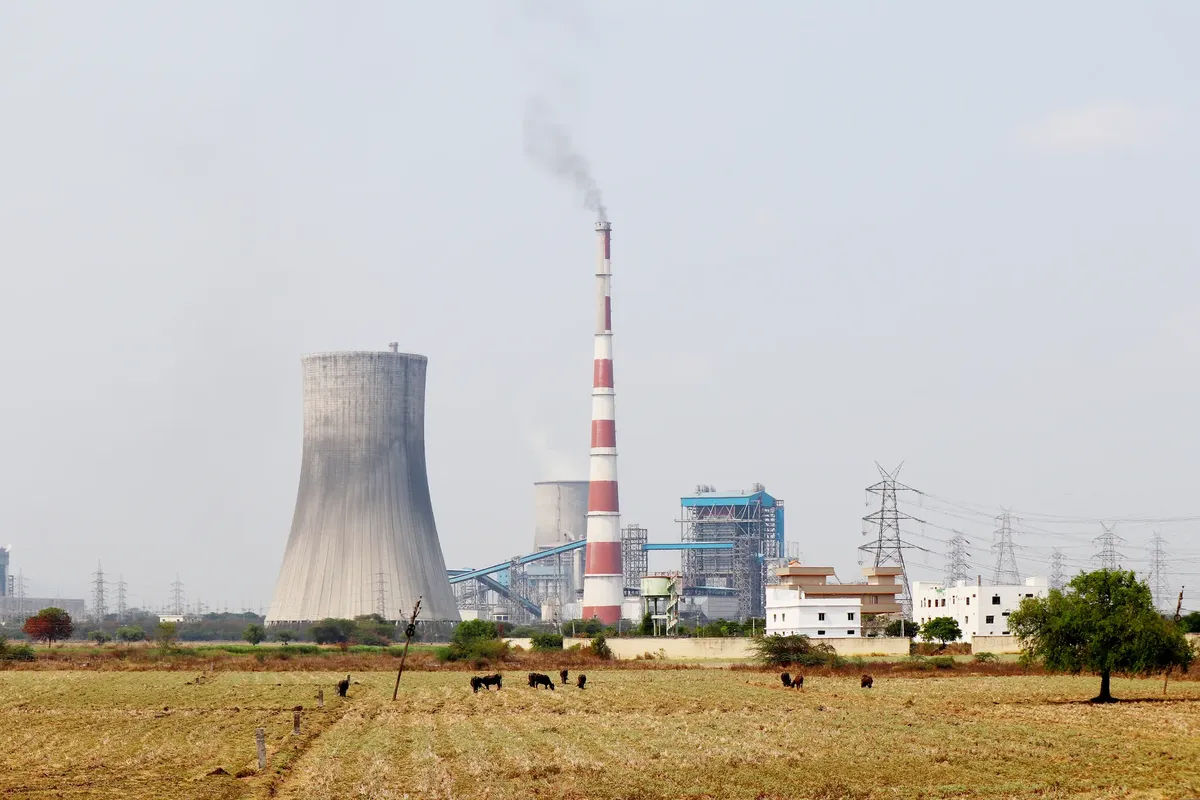
A heavy haze settles over the horizon as citizens navigate streets filled with particulate matter. At least 140 million people in India breathe air that is 10 times or more over the WHO safe limit, according to a study based on 2016 data.
This widespread exposure creates a massive public health challenge across the subcontinent.
Furthermore, 13 of the world's 20 cities with the highest annual levels of air pollution are in India. This concentration of high-pollution urban centers means that the India air quality strategy must address localized crises in multiple metropolitan areas simultaneously.
The scale of the issue suggests that the Indian environmental policy requires a multi-faceted approach to reach global standards.
- Identify primary emission sources.
- Monitor seasonal shifts in wind patterns.
- Analyze particulate matter concentrations.
How does air pollution affect mortality in urban centers? India air pollution 2025 plan
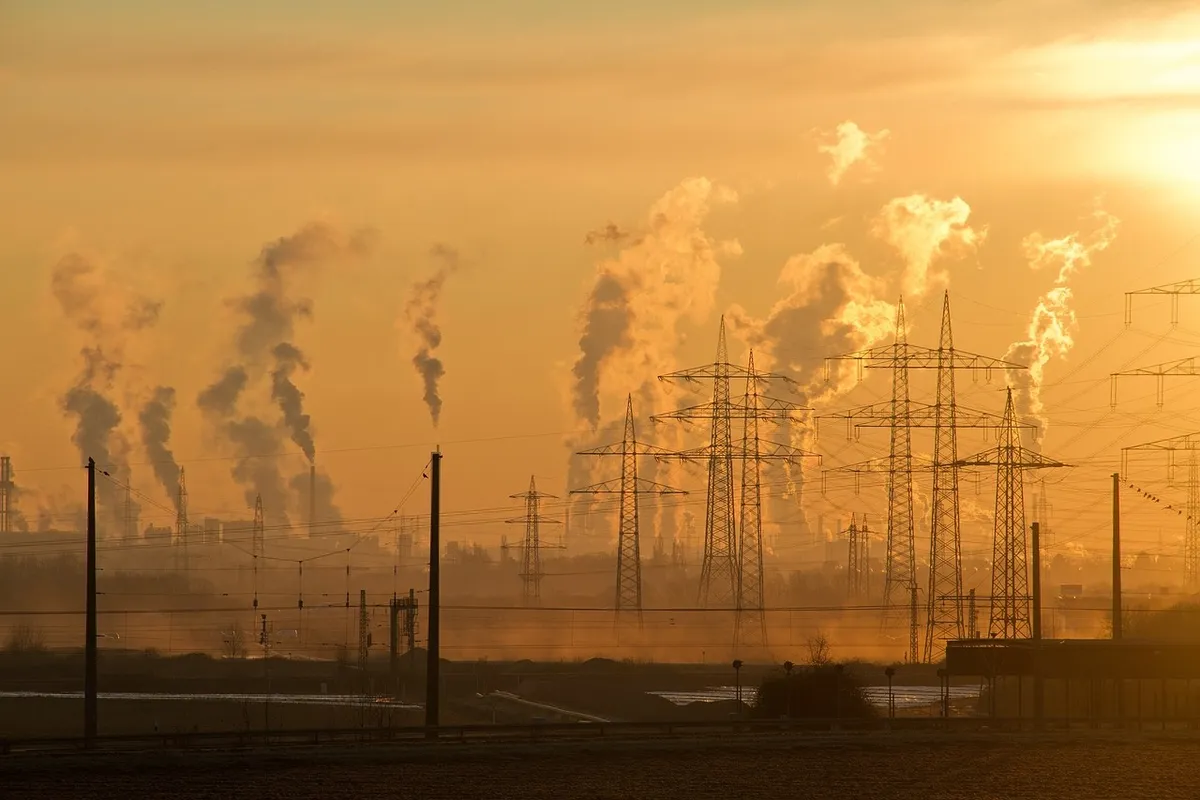
Walking through the crowded street at noon, a weary worker coughs as the current smog stings their throat.
A person walks through a crowded market, feeling the grit of dust in their throat.
A 2024 study published in The Lancet Planetary Health estimated that, on average, 7.2 per cent of daily deaths in 10 of India's most polluted cities were attributable to PM2.5 levels exceeding World Health Organization guidelines.
This figure highlights the direct link between air quality and mortality in high-risk zones.
The impact of air pollution in India is most visible in these densely populated regions where PM2.5 levels frequently spike. While the health consequences are documented in scientific literature, the government response remains a point of contention.
Meeting global air standards remains a significant hurdle for these urban populations.
In this sequence, the second step is the most extensive.
According to WHO, the 2016 record includes 140 million.
What is the government's stance on air quality data?
A technician looks at a digital monitor, noting a sudden spike in the air quality index.
This stance contrasts sharply with recent health studies regarding PM2.5-related mortality.
This dismissal drew widespread criticism from the public, who rely on these tools for daily safety.
The disagreement between official statements and external data complicates the development of an effective air quality improvement in India.
According to World Bank, the 2025 record includes 70.0%.
How do digital trends intersect with environmental monitoring?
An individual checks their smartphone to see the local weather and air quality forecast. While environmental data remains contested, digital connectivity in the country is expanding rapidly. According to World Bank data, India recorded a share of internet users of 70.0% in 2025.
This high level of connectivity means that public awareness and the use of unofficial monitors are increasing. As more people access real-time data, the tension between official ministry claims and citizen-led monitoring will likely intensify.
Digital tools are becoming a primary way for the public to track the air quality in India.
What are the limitations of current strategies?
A researcher reviews a pile of reports, searching for a clear path forward. Current strategies face significant hurdles due to the lack of consensus on data interpretation and monitoring authority.
The administrative friction between different ministries can lead to inconsistent public health guidance.
One major limitation is the dismissal of global monitoring tools, which may hinder the integration of international best practices. Because the Environment Ministry views certain AQI monitors as unofficial, it creates a gap in standardized reporting.
This lack of unified data makes it difficult to implement a cohesive, nationwide response to air quality.
The subject here is India air pollution 2025 plan.
The same subject is also called 2025 air pollution India.
The same subject is also called Air quality improvement India.
Government response air India
Related
- India foreign home buying rules: 80% asset investment guide
- Volatility why sudden changes occur in emerging economies
Why does the data discrepancy persist?
The discrepancy persists because the Union Health Ministry maintains there is no data linking air pollution to deaths, while the Environment Ministry dismisses global AQI monitors as unreliable.
This creates a direct conflict between official administrative stances and the mortality estimates provided by studies like the one published in The Lancet Planetary Health.
Such friction complicates the ability to address the health challenges faced by the 140 million people who breathe air exceeding WHO safe limits.
- The Union Health Ministry claims no data links pollution to deaths. 2. The Environment Ministry labels global monitors as unofficial. 3. These conflicting positions create a gap in standardized reporting.
This administrative friction serves as a caution for policymakers attempting to implement a cohesive nationwide response. When the government dismisses external data, it limits the ability to address the high concentration of polluted cities.
The tension between official claims and the reality of PM2.5 levels remains a central hurdle for urban populations.
How does the public perceive the air quality situation? 1. Citizens rely on digital tools to track the air quality in India. 2. This reliance increases as more people gain access to real-time data. 3. The public's trust in official pronouncements is challenged by external scientific findings.
This perception shift means that the air we breathe is increasingly scrutinized by the populace. The high connectivity allows for immediate comparison between government reports and independent measurements, which is a critical dynamic in the current environment.
This public engagement highlights a condition where official oversight meets citizen vigilance regarding the air we breathe.





Comments 0