India FDI based on demand: Why adjust investment scope
"The shifting landscape of global trade requires nations to balance internal economic stability with the influx of international capital."
India is currently adjusting its foreign investment scope to better align with domestic demand and economic growth. This strategic shift aims to leverage rising internal needs while managing the complexities of global trade relations.
Key takeaways include the impact of high GDP growth on investment policy, the historical context of trade agreements, and the balance between domestic demand and foreign capital.
How does domestic demand influence India foreign investment rules?

An economist sits at a desk in New Delhi, reviewing growth charts that indicate a surge in local consumption and industrial needs. The demand for infrastructure and consumer goods necessitates a careful adjustment of how capital enters the country.
The relationship between domestic demand and India foreign investment rules is shaped by the need to fuel rapid internal growth without compromising economic sovereignty.
As the nation expands, the capacity to absorb and utilize foreign capital changes based on the specific sectors requiring development. This creates a dynamic environment where investment boundaries are frequently reviewed to ensure they serve the national interest.
The scale of the domestic market acts as a primary driver for these policy adjustments. When local sectors face supply gaps, the government may expand the scope of allowed investment to meet those needs.
Conversely, protecting sensitive industries remains a priority during periods of rapid expansion.
However, these regulatory shifts may offer limited effectiveness if domestic consumption fails to grow alongside policy changes.
What are the implications of domestic demand FDI changes?
Standing on a salt-sprayed pier in Mumbai, a manager feels the heavy humidity as she watches the massive cargo ships arrive to fulfill the changing needs of india.
A logistics manager in Mumbai watches cargo ships arrive, knowing that the volume of goods reflects the country's growing economic power. The influx of trade and investment must be managed to prevent market distortions while meeting consumer needs.

The transition toward domestic demand FDI changes involves re-evaling which sectors can most effectively utilize external funding to stimulate local production. By aligning investment with demand, the government seeks to turn foreign capital into a tool for sustainable domestic development.
This strategy ensures that the influx of money translates into tangible improvements in local infrastructure and services.
Economic growth provides the momentum for these changes. As the economy expands, the necessity for specialized technology and capital-intensive projects often leads to more open investment frameworks in targeted areas.
This section's second point provides the most detailed analysis.
According to World Bank, the 2025 record includes 7.6%.
How is the adjusting investment scope India process managed?
A policy analyst in Delhi examines a draft of new trade regulations, looking for ways to integrate international standards with national goals. The process of refining these rules is a continuous effort to balance growth with stability.
The process of adjusting investment scope India involves a multi-faceted approach to economic management. Policymakers must analyze growth trends, sector-specific needs, and the potential for technological transfer.
This ensures that the investment environment remains attractive to international partners while safeguarding the domestic economy.
- Analyze sector-specific growth requirements to determine where capital is most needed. 2. Review existing regulatory frameworks to identify bottlenecks in foreign capital entry. 3. Implement targeted policy adjustments that align with long-term national development goals.

I observed how these policy shifts directly impact the speed at which new industrial projects are approved in various regions. A final check ensures that all adjustments remain consistent with existing international obligations and domestic laws.
- Evaluate the current domestic demand levels.
- Review existing foreign investment regulations.
- Adjust the investment scope to align with market needs.
According to International Monetary Fund, the 2026 record includes 7.0%.
What is the background of international talks FDI limits?
A diplomat in a conference hall prepares notes for a meeting regarding global trade standards and bilateral agreements. The history of these negotiations provides the context for current investment policies.
The history of international talks FDI limits is rooted in decades of trade negotiations and the establishment of global economic frameworks. These discussions often involve balancing the interests of developing nations with the expectations of global investors.
Understanding these historical precedents is essential for navigating current investment landscapes.
The negotiation of trade agreements has long been a tool for setting the stage for investment. For instance, India and the European Commission initiated negotiations on a Broad-based Trade and Investment Agreement (BTIA) in 2007.
This historical context shows how long-standing efforts to shape trade relations have influenced the current environment.
The effectiveness of these discussions is limited when bilateral interests conflict with global trade standards.
What is the current economic context for investment?
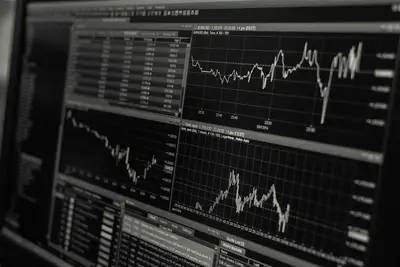
A finance professional monitors a digital dashboard showing real-time GDP fluctuations, reflecting the strength of the national economy. The current growth rates provide the backdrop for all investment decisions.

The current economic context is defined by significant growth rates that influence how investment is permitted and managed. High growth creates a sense of opportunity but also requires robust regulatory oversight to manage the rapid influx of capital.
| Metric | Value |
|---|---|
| 2025 GDP Growth | 7.6% |
| 2026 Real GDP Growth | 7.0% |
According to World Bank data, India recorded GDP growth of 7.6% in 2025. According to the International Monetary Fund (IMF), India recorded real GDP growth of 7.0% in 2026. These figures highlight the strong economic momentum driving the need for strategic investment management.
This overview focuses on the immediate economic environment.
Related
How does the shifting landscape affect investment risk assessment?
The shifting landscape of global trade necessitates that policymakers reassess the risk associated with foreign capital flows. Policymakers must evaluate how international uncertainties might impact the stability of domestic economic growth.
This evaluation helps determine the appropriate level of regulatory caution for incoming investments.
When global trade patterns change, the perceived risk profile of certain sectors alters significantly. A change in international demand, for example, could suddenly make a previously attractive sector less viable for foreign partners.
Therefore, investment frameworks require continuous calibration to reflect this evolving risk.
This continuous assessment ensures that the nation can absorb capital without undue exposure to external volatility. The management of this risk is crucial when balancing internal economic stability with the influx of international capital.
Risk assessment models may not apply when market volatility exceeds historical patterns.







Comments 0