India suicide rate surge: How to guide prevention efforts
"The strategy draws on the World Health Organization's (WHO) model of a multisectoral approach to suicide prevention with the goal of reducing suicide mortality by 10 % in India by 2030."
The rising India suicide rate surge represents a critical public health challenge driven by complex demographic and social factors. This analysis examines statistical discrepancies, specific vulnerable sectors, and the urgent need for multisectoral prevention strategies.
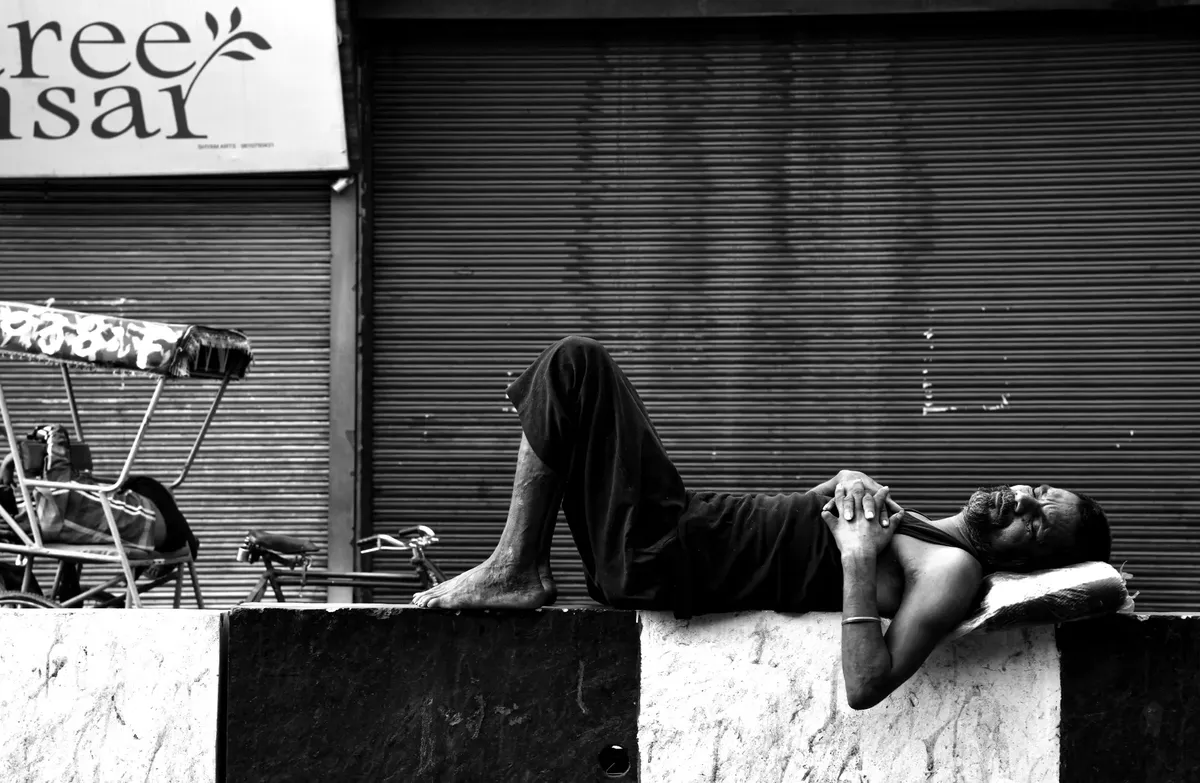
Key takeaways: * Discrepancies exist between reported rates and WHO estimated age-standardized rates. * Specific sectors, such as farming and daily wage labor, show high vulnerability. * A multisectoral approach aims to reduce mortality by 10% by 2030.
How do statistical discrepancies shape the India mental health crisis?
At dusk, a researcher rubs tired eyes while staring at conflicting reports regarding the India mental health crisis on a dim computer screen.
A researcher sits at a desk, comparing two distinct data sets on a glowing monitor. For the year 2019, the National Crime Records Bureau (NCRB) reported India's suicide rate to be 10.4. However, according to WHO data, the estimated age-standardized suicide rate in India for that same year was 12.9.
These differing figures highlight the complexity of tracking mental health trends across a vast population. While official records provide a baseline, standardized estimates often suggest a higher prevalence.
Understanding these variations is essential for addressing the India mental health crisis effectively.
What demographic trends define the current suicide trends India data?
A group of young adults walks through a crowded city square, their faces reflecting the pressures of modern life. In 2019, the age groups 18–30 and 30–45 years accounted for 35.1% and 31.8% of suicides in India, respectively.
Combined, this specific age group of young adults accounted for 67% of total suicides. These statistics indicate that a significant portion of the crisis involves individuals in their most productive years.
Addressing these specific age-related vulnerabilities is a primary focus for public health officials.
According to World Health Organization, the 2030 record includes 10%.
How do economic vulnerabilities drive population suicide risk India?
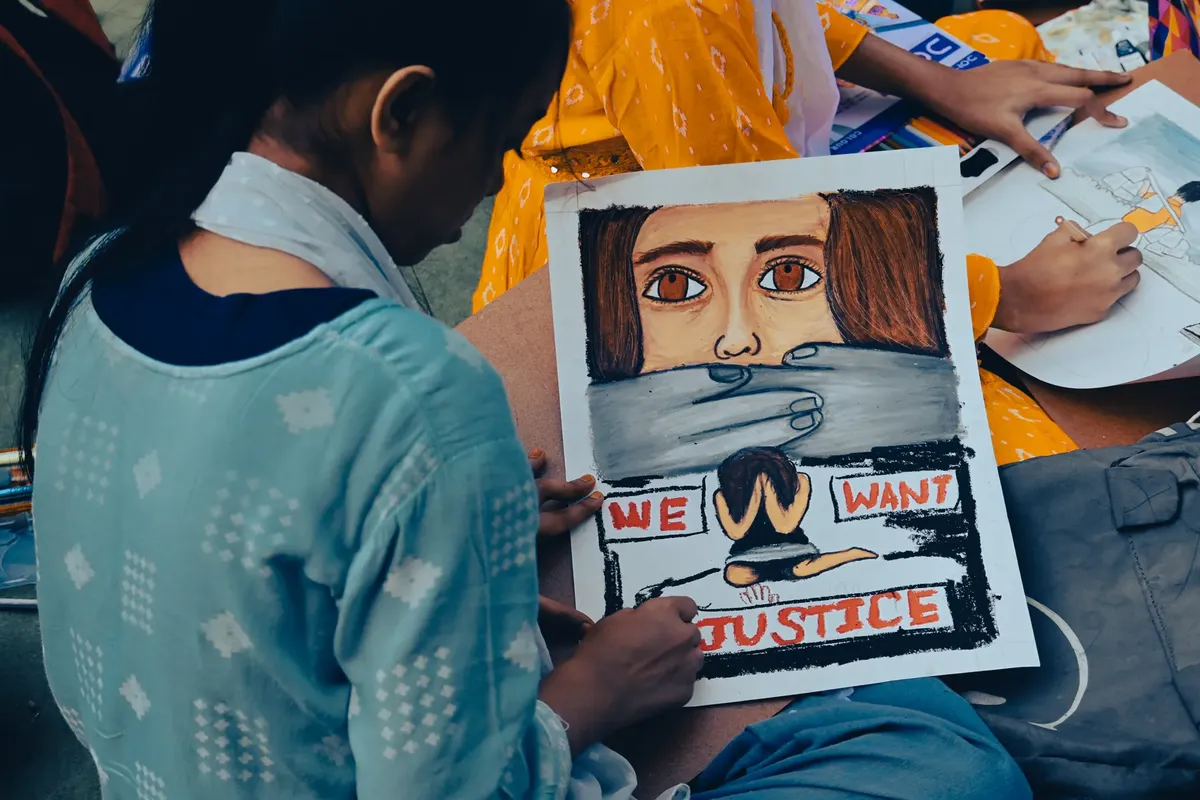
A farmer wipes sweat from his brow while looking over a dry field under a midday sun. The National Crime Records Bureau (NCRB) reported that in 2019, 10,281 people involved in the farming sector died by suicide.
Beyond agriculture, daily wage earners accounted for 26% of suicide victims, representing the largest group in the data. These economic pressures create a distinct pattern of risk among those dependent on manual labor.
Addressing these social factors in India deaths requires targeted economic and mental health support.
According to WHO, the 2030 record includes 3.5 billion.
What role does education play in social factors India deaths?
A student closes a heavy textbook, looking pensively at a graduation certificate. In 2019, 12.6% of suicide victims were illiterate, 16.3% were educated up to the primary level, 19.6% were educated up to the middle level, and 23.3% were educated up to the matric level.
Only 3.7% of total suicide victims were graduates and above. This data suggests that lower educational attainment is frequently associated with higher risk. These trends indicate that social factors in India deaths are deeply tied to educational and economic status.
How can a multisectoral approach reduce mortality?
A health official reviews a strategic document outlining a comprehensive prevention plan.
A multisectoral approach involves cooperation across various sectors, including health, education, and labor. By targeting specific vulnerabilities, such as those found in the farming sector or among youth, the strategy seeks to mitigate rising rates.
The goal is to build a comprehensive support system to meet the 2030 target.
How do regional differences impact the crisis?
A traveler looks at a map of India, noting the different states and territories. Maharashtra, Tamil Nadu, West Bengal, Madhya Pradesh and Karnataka have consistently accounted for about 8.0% (or more) suicides in India across 2017 to 2019.

Among the Union Territories, Delhi reported the highest number of suicides, followed by Puducherry. These regional variations necessitate localized health strategies. Different states face unique challenges that require tailored public health responses.
India suicide rate surge
The subject here is India suicide rate surge.
The same subject is also called Social factors India death.
This part also covers Analyzing India's suicide spike.
This part also covers Demographics and public health.
This part also covers Social issues in India deaths.
Analyzing India's suicide spike
Related
- India city pollution link: Best guide to urban air quality
- India adult health rights status: Tips on health inequality
What specific vulnerabilities does the strategy address? 1. The strategy draws on the WHO model by focusing on sectors showing high vulnerability. 2. Farming and daily wage labor represent specific sectors identified as highly vulnerable. 3. Addressing these specific vulnerabilities is a component of the comprehensive prevention plan.
This focus allows the multisectoral approach to target the most at-risk populations identified through the data. The strategy seeks to mitigate the impact of economic pressures on mental well-being.
How does the multisectoral strategy compare to single-sector interventions? 1. The multisectoral approach involves cooperation across multiple domains, unlike isolated efforts. 2. Health, education, and labor are among the sectors cooperating within this framework. 3. By integrating these areas, the strategy aims for a more comprehensive support system.
This integrated perspective is necessary because the crisis stems from complex demographic and social factors. The strategy draws on the WHO model to ensure broad coverage of risk areas.
What conditions necessitate a multisectoral strategy? 1. The rising India suicide rate surge represents a critical public health challenge. 2. This challenge is driven by complex demographic and social factors. 3. The multisectoral approach is necessary because the crisis stems from these intricate factors.
This strategy draws on the WHO model to address the multifaceted nature of the problem. The high vulnerability shown in specific sectors demonstrates that a singular focus cannot resolve the issue. A comprehensive view is required to achieve the reduction goal.






Comments 0