India growth health challenges: Best guide for health needs
"Economic expansion often masks the growing needs of a shifting population, where statistical growth does not always translate to universal health access."
India's economic trajectory and demographic shifts present a complex landscape for the healthcare sector, requiring a balance between rapid growth and equitable service delivery.
This analysis examines how GDP expansion and inflation interact with health infrastructure, specifically focusing on the challenges of dental care and data accuracy.
Key takeaways include the impact of economic growth on resource allocation, the widening gap in professional dental availability, and the limitations of current economic reporting on social health needs.
How does economic growth influence India health challenges?
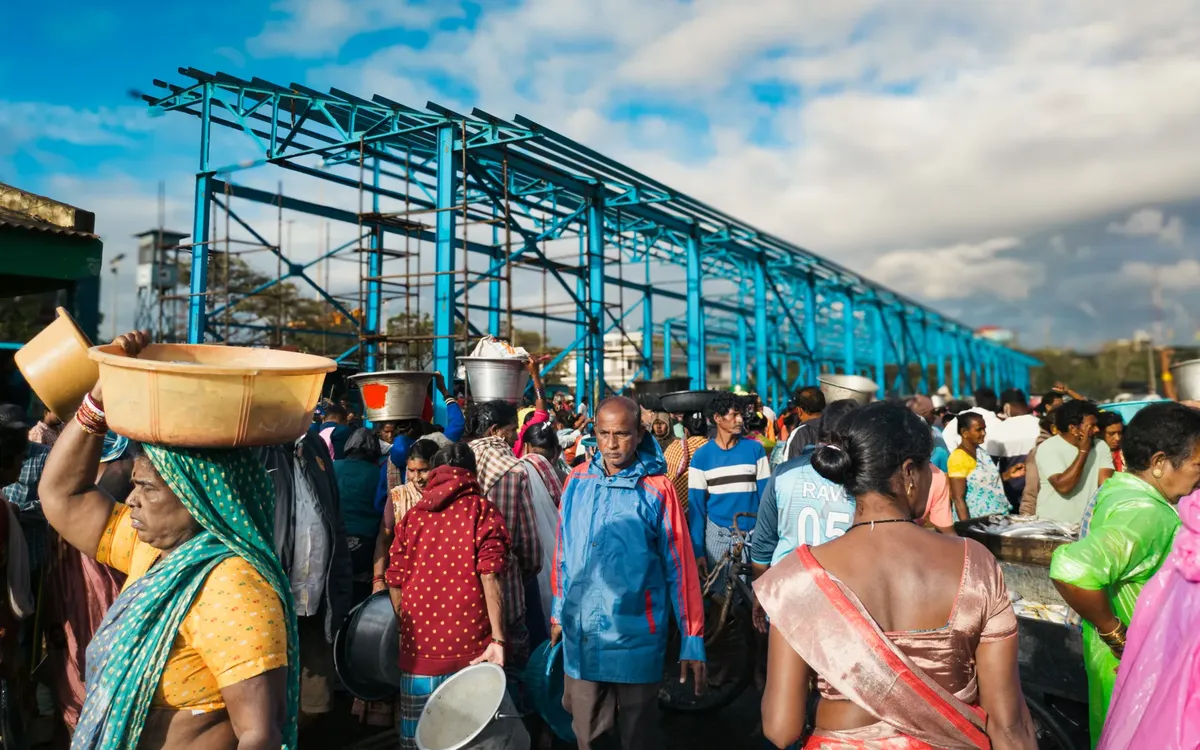
A bustling marketplace in a major metropolitan area shows the rapid pace of commerce, yet the underlying health infrastructure struggles to keep up with the sheer volume of people. India's economic landscape is evolving, characterized by significant shifts in wealth and fiscal policy.
According to the IMF, the Indian economy was given a letter 'C' grade in November 2025 because national accounts and inflation data fail to accurately record the informal sector and people's spending patterns.
According to World Bank data, India recorded GDP growth of 7.6% in 2025. This expansion suggests an increase in national resources, yet the distribution of such wealth remains a critical factor for public health.
The India growth health challenges often stem from the disconnect between macroeconomic success and grassroots health accessibility.
The relationship between fiscal expansion and social welfare is not always linear. While a growing economy can fund better facilities, it can also lead to rising costs that affect the most vulnerable.
Understanding how these economic shifts impact the population is essential for planning future health needs.
What are the demographic shift healthcare implications?
A quiet clinic in a rural village reflects the uneven distribution of medical professionals across different regions. As the population changes, the demand for specialized care fluctuates, creating a gap between available specialists and the general public.

The demographic shift healthcare needs are increasingly focused on specialized services that were previously less common. For example, the availability of dental professionals has changed over the last decade.
According to the WHO 'oral health country profile,' the number of dentists in 2011 was 117,825, while the approximate number for 2020 was 309,700.
Despite this increase in professionals, the scale of the population remains a massive hurdle. Even with more practitioners, the majority of people are still devoid of proper dental treatment.
This imbalance suggests that professional growth must outpace population growth to achieve meaningful coverage.
According to WHO, the 2030 record includes 3.5 billion.
How do economic growth health needs manifest in the informal sector?
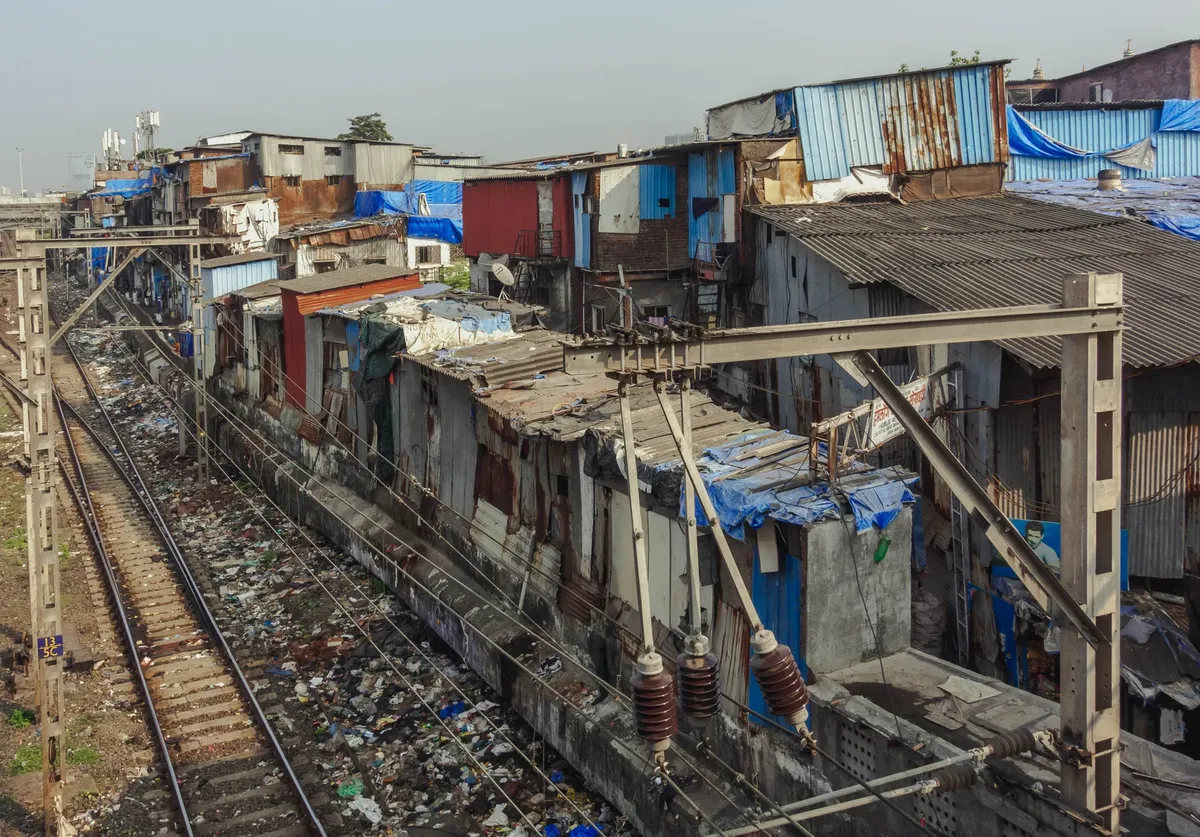
In a crowded street market, vendors manage daily transactions that exist outside the formal banking system, highlighting a massive segment of the population. This segment often operates under different economic rules than the formal corporate sector.
The economic growth health needs of these workers are often obscured by traditional measurement tools.
In November 2025, the IMF gave the Indian economy a letter 'C' grade, mentioning that Indian national accounts and inflation data is not accurately recording the informal sector and people's spending patterns.

This lack of accurate data makes it difficult to assess the true health status of a large portion of the population. If the spending patterns of the informal sector are not captured, the actual health-seeking behavior and needs of millions remain invisible to policymakers.
According to World Bank, the 2025 record includes 7.6%.
What are the risks of inflation in the context of health?
A family sits around a dinner table, carefully calculating their weekly expenses as food prices fluctuate at the local market. Price volatility can directly impact the ability of households to afford medical care and nutrition.
The stability of the economy is a primary concern for maintaining consistent health spending. According to World Bank data, India recorded inflation (consumer prices) of 2.4% in 2025. While this figure might seem manageable, even small increases can strain the budgets of low-income families.
Inflation can lead to a reallocation of household funds away from preventive care toward more immediate survival needs. Maintaining low and stable inflation is a cornerstone of ensuring that health investments remain sustainable for the public.
How to address the gap in oral health coverage?
A young child sits in a dental chair, waiting for a checkup, representing the millions who require regular oral care. Addressing this gap requires a multi-faceted approach to ensure that professional services reach everyone.
To improve oral health access, the following steps could be considered:
- Expand the training and distribution of dental professionals to rural and underserved areas to bridge the gap between urban centers and the rest of the country. 2. Integrate oral health into broader primary healthcare frameworks to ensure that dental issues are caught during routine medical visits. 3. Develop affordable community-based dental programs that target the specific needs of low-income populations.
I observed how the increase in dentist numbers since 2011 provides a foundation, yet the sheer volume of the population makes reaching everyone a monumental task. A final check of these strategies must ensure they are adaptable to the unique economic realities of different regions.
- How does economic growth influence India health challenges?
- What are the demographic shift healthcare implications?
- How do economic growth health needs manifest in the informal sector?
Related
- India growth pharma health: Economic expansion drives pharma
- India population health challenges: How to guide health
How does economic expansion affect resource allocation for health?
The economic expansion suggests an increase in national resources, but the distribution of this wealth dictates public health outcomes. The relationship between fiscal expansion and social welfare is not always linear, meaning growth does not guarantee equitable access.
A growing economy might fund superior facilities, yet it concurrently drives up costs that disproportionately burden the most vulnerable populations. Understanding this dynamic is crucial for effective future health planning.
What are the limitations of current economic reporting on health needs?
The IMF's assessment highlights that Indian national accounts and inflation data fail to capture the informal sector's spending patterns. This data deficiency obscures the true health status of a large segment of the populace.
If the spending habits of these workers are not documented, policymakers cannot accurately gauge their actual health-seeking behavior or specific needs.
The challenges associated with dental care illustrate this disconnect between economic indicators and ground-level health realities. Even with a rise in the number of dentists, the massive population size prevents comprehensive coverage.
This imbalance shows that professional growth must surpass population growth for meaningful service delivery.
The condition of rising costs due to economic expansion forces households to shift funds away from preventative care. This reallocation prioritizes immediate survival needs over long-term health maintenance, a direct consequence of price volatility.





Comments 0