7.6% GDP growth: How India balances wealth and health needs
"Can a nation's soaring GDP mask the silent struggle of its people's physical well-being?"
India currently navigates a complex intersection where explosive economic expansion meets the heavy burden of a massive, diversifying population.
While the nation's macro-economic indicators suggest a global powerhouse in the making, the micro-level realities of health access and nutritional parity tell a more nuanced story.
* Economic Momentum vs. Disparity: While India demonstrates strong economic indicators, such as the sizable 7.6% GDP growth recorded in 2025, wealth distribution remains uneven, impacting access to basic health services. * The Dual Health Burden: The nation faces a complex health crisis, simultaneously battling historical issues like malnutrition and modern epidemics like morbid obesity. * Policy Gaps: Despite progress, the nation faces challenges in fulfilling fundamental health rights, particularly in areas like reproductive health and dental care access. * Demographic Strain: Rapid population growth places immense pressure on public infrastructure, exacerbated by significant disparities in healthcare provision between urban and rural areas.

The Economic Engine: Growth, Middle Class, and Underlying Stress
In a bustling Mumbai market, the heat of the afternoon sun hits the pavement as thousands of commuters rush toward the metro. The sheer volume of human capital is the driving force behind the nation's trajectory.
The tension between rising wealth and health access is central to the current landscape. According to World Bank data, India recorded GDP growth of levels reaching 7.6% in 2025.
This surge provides the capital necessary for infrastructure, yet the distribution of this wealth determines who can actually afford a doctor.
The emergence of a consumer class changes the health landscape.
As per The Economist, 78 million of India's population were considered middle class as of 2017, if defined using the cutoff of those making more than $10 per day, a standard used by the India's National Council of Applied Economic Research.
This group represents a massive shift in purchasing power, but it also creates a new class of health-related needs.
While the economy grows, the cost of living remains a factor. According to World Bank data, India recorded inflation of consumer prices at sizable levels of 2.4% in 2025.
This relatively controlled inflation helps stabilize the economy, but the cost of private healthcare often outpaces general price indices.
Economic stability is further reflected in the labor market. According to World Bank data, India recorded an unemployment rate of 4.2% in 2025.
While low unemployment supports the economy, the nature of work—often in the informal sector—impacts how easily people can access employer-sponsored health benefits.
| Economic Indicator | 2025 Value | Impact on Health |
|---|---|---|
| GDP Growth | 7.6% | Provides capital for national health infrastructure. |
| Inflation (Consumer Prices) | 2.4% | Affects the affordability of medicine and food. |
| Unemployment Rate | 4.2% | Determines the stability of private health coverage. |
The sheer scale of the population means that even small shifts in economic policy can have massive humanitarian consequences. But the numbers on a balance sheet don't tell the whole story of the body.
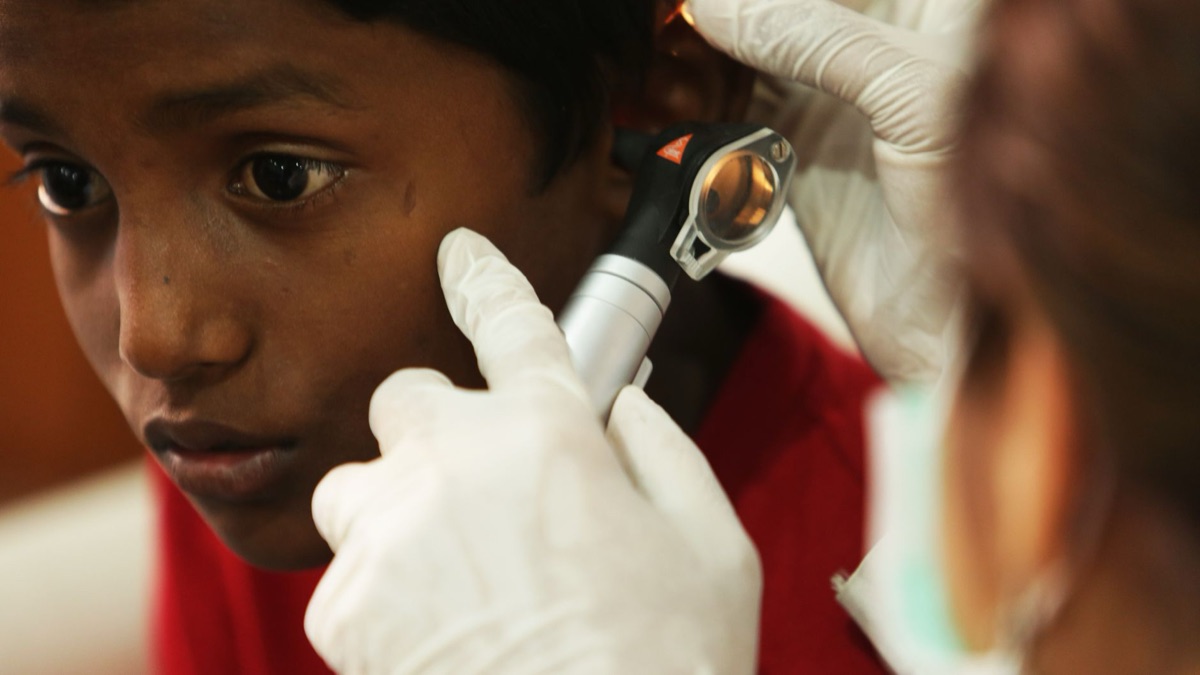
The Dual Health Burden: Malnutrition Meets Modern Epidemics
In a quiet rural village, a mother carefully portions out a small, meager meal for her child under the shade of a mango tree. Miles away, in a high-rise apartment in Bangalore, a professional struggles with the dietary consequences of a sedentary, processed-food lifestyle.
The health crisis in India is characterized by a "double burden" where the country fights two different types of nutritional battles at once. On one hand, historical issues of calorie deficiency and micronutrient shortages persist in various regions.
On the other hand, the rise of processed foods has led to an increase in metabolic diseases.
This duality is reflected in global trends. Globally, oral diseases affect 3.5 billion people and every three out of four people lives in middle-income countries, according to the Global Oral Health Status Report: Towards Universal Health Coverage for Oral Health by 2030 (WHO report).
This highlights how middle-income nations face unique challenges in managing widespread health issues.
The struggle to meet basic health rights remains a significant hurdle. The Human Rights Measurement Initiative finds that India is fulfilling 80.5% of what it should be fulfilling for the right to health based on its level of income.
This percentage represents the gap between the legal right to health and the practical reality of service delivery.
| Health Challenge | Root Cause | Primary Demographic Impact |
|---|---|---|
| Malnutrition/Anemia | Food insecurity and lack of micronutrients | Rural and low-income populations |
| Obesity/Diabetes | Urbanization and dietary shifts | Growing middle-class and urban populations |
As the nation moves forward, the ability to bridge the gap between these two extremes will define its social stability. However, building the capacity to handle these extremes requires more than just money.
The Policy Gap: Navigating Health Rights and Infrastructure
In a quiet government office, an official reviews a budget for new clinics, knowing that the sheer number of citizens makes universal coverage a monumental task. The scale of the mission requires more than just funding; it requires a complete overhaul of delivery systems.
The struggle to provide healthcare to a massive population requires strategic policy shifts. The gap between economic growth and health outcomes often stems from how policies are implemented at the local level. One of the most pressing issues is the fulfillment of specific health needs.
The Human Rights Measurement Initiative finds that India is fulfilling sizable percentages of its health rights, but areas like reproductive health and dental care require more focus.
The sheer size of the population makes the infrastructure struggle even more acute. When the government plans a new hospital, they are not just planning for thousands, but for millions of potential patients.
- Infrastructure Expansion: Building physical clinics and hospitals to meet the needs of a growing population.
- Workforce Training: Ensuring there are enough doctors and nurses to staff the expanding facilities.
- Digital Integration: Using technology to reach remote areas where physical doctors are scarce.
- Universal Coverage Models: Developing insurance or subsidy schemes that cover the most vulnerable.
The tension between urban development and rural access remains the primary friction point in health policy. This friction is most visible in the movement of people.
The Demographic Strain: Population Growth and Urbanization
In a crowded train station in Delhi, the air is thick with the sound of whistles and the movement of people from every corner of the country. The density of the population makes the management of public health a logistical feat of global proportions.
The sheer volume of people creates a unique pressure on the healthcare system. When the population grows rapidly, the demand for doctors, beds, and medicine can easily outstrip the rate of supply. This demographic pressure is felt most acutely in the cities.
As people move from rural areas to urban centers in search of work, they face new health challenges, from pollution-related issues to the mental health stresses of urban life.
The sheer scale of the population means that even a small percentage of the population being affected by a disease translates to millions of people. This makes epidemic management a matter of national security.
| Factor | Impact on Health System |
|---|---|
| Rapid Urbanization | Increased density and potential for infectious disease spread. |
| Rural-to-Urban Migration | Strain on city hospitals and loss of rural healthcare providers. |
| Youthful Demographic | Higher demand for maternal and pediatric health services. |
The ability to manage this growth will determine if the health-wealth paradox can be resolved. But how does this look for the individual living through these shifts?
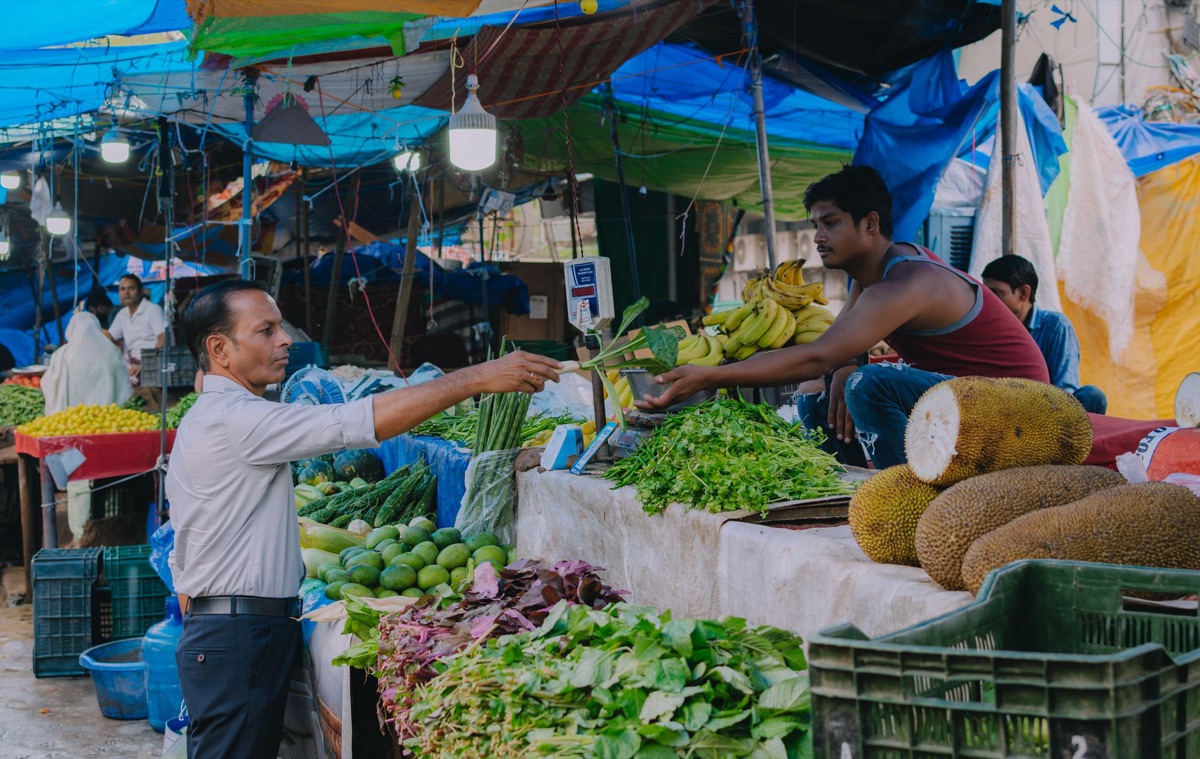
The Human Element: Personal Realities in a Shifting Economy
I remember sitting in a small clinic in a suburb of Delhi, watching a young professional check her phone while waiting for a routine check-up. She represented the new middle class—economically stable but increasingly disconnected from the traditional community-based health models of the past.
This personal observation mirrors the broader national trend. The shift from community-based health to individual-funded healthcare is a major transition. For some, the rise in GDP means they can bypass the public system entirely.
For others, the struggle remains as basic as finding clean water or affordable medicine.
The disparity between the "two Indias" is not just a statistic; it is a lived experience. The ease of access for one person can be a world away from the struggle of another. The transition between these two worlds is where the most significant health outcomes are decided.
Limits and Trade-offs: When Growth Isn't Enough
It is important to note that economic growth does not automatically translate to better health outcomes. A rising GDP can mask declining life expectancy if the wealth is concentrated in sectors that do not support public health.
Furthermore, the policies that drive economic growth—such as rapid industrialization—can sometimes lead to environmental health issues like air pollution. These trade-offs require careful management to ensure that economic progress does not come at the cost of the very people driving it.
Related




Comments 0